Reviewed · TOURS IN BEIJING
Confucius Temple and Imperial College Entrance Ticket
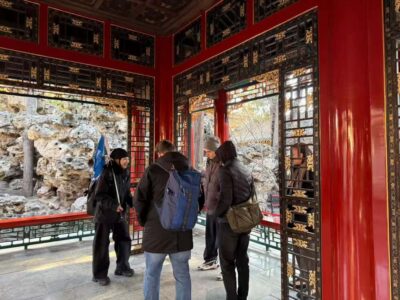
The most interesting part of this Beijing visit is the look at imperial education, not just religion. The Temple of Confucius honored China’s great teacher, while the neighboring Guozijian served as the highest school for officials during the Yuan, Ming, and Qing dynasties. Together, they show how learning, government, and social status were tied together.
I like the modest price and the freedom to spend two or three hours reading at your own pace. I also like the setting near the Lama Temple, which makes it easy to pair two major sites in one outing. The main caution is the digital ticket system: one booking for two people once produced a QR code problem at the entrance, so keep the contact number handy and check both codes before you go.
Key points to know before you book
- Two historic sites in one ticket: Visit the Temple of Confucius and the former Guozijian imperial college.
- A strong self-guided stop: English instructions and exhibit information let you explore without hiring a guide.
- Allow two to three hours: The halls, carvings, steles, and educational displays reward slow reading.
- Easy pairing with the Lama Temple: The two attractions are only a short walk apart.
- Optional English-speaking guide: You can add a guide if you want more explanation about the temple’s rituals and history.
- Check your QR codes: Tickets are sent five days before the travel date, and each person should have a working code.
What the Temple of Confucius tells you about old China
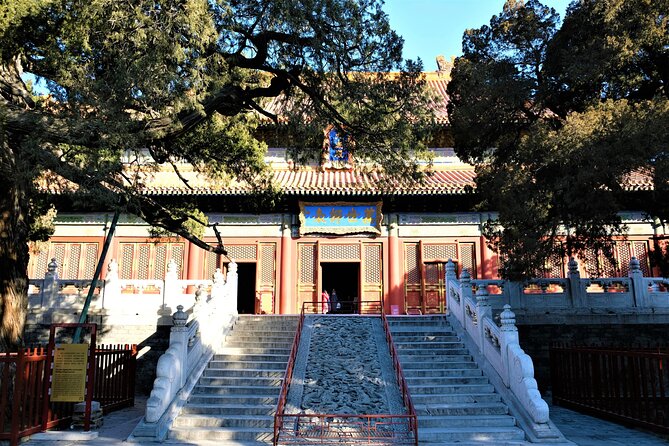
Beijing’s Temple of Confucius was built in 1302. It was created for officials to honor Confucius and make offerings to him, but the site also became a place where the imperial state celebrated education and scholarship.
This was not simply a quiet religious hall. Confucian thought shaped the way officials were trained, selected, and expected to behave. If you want to understand why examinations mattered so much in imperial China, this temple gives you a useful starting point.
The temple is the second largest Confucian temple in China, after the one in Qufu, Confucius’s hometown. That distinction gives the site weight, but the visit is still manageable. You are not facing a vast palace complex that requires a full day. Instead, you move through a series of scholarly halls, statues, carvings, and stone records at a comfortable pace.
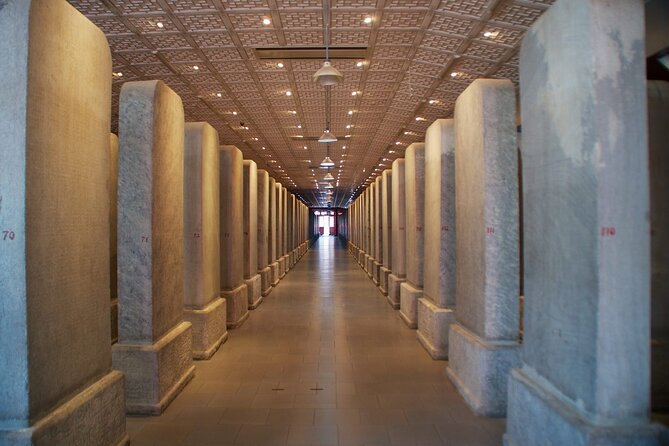
The stone steles recording successful scholars are among the most meaningful sights. They preserve the names of people who passed the Imperial Examination, the demanding system used to select government officials. For modern visitors, the inscriptions can look formal and difficult to read, but the idea behind them is easy to grasp: a person’s education could open the door to public office and a higher social position.
Take time to look at the scale and placement of the steles. They turn an abstract story about examinations into something physical. Each name represents years of study, family hopes, and a successful step into the imperial bureaucracy.
A few more days out in Beijing worth the ticket
- Beijing: Forbidden City Tour(Group/Private)-Tickets Included
★ 4.8 · 7,974 reviews - 4-Hour Small Group Tour to Forbidden City with Entry Tickets
★ 5.0 · 1,863 reviews - Beijing: Tiananmen Square Registration Service(Ticket)
★ 4.5 · 1,704 reviews
Inside the Guozijian, China’s former top school
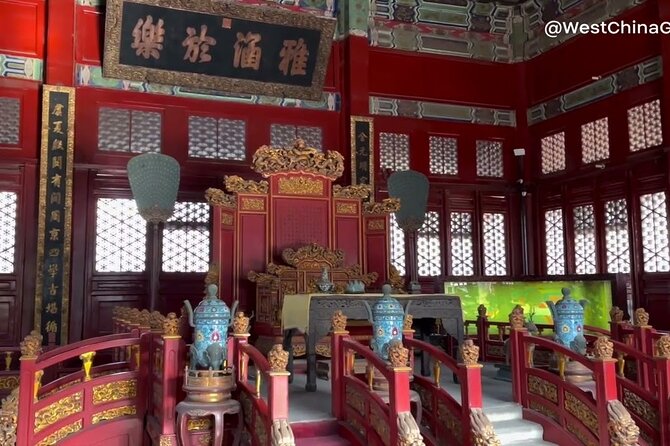
Beside the temple is the Guozijian Museum. The Guozijian was constructed in 1306 and served as the imperial college during the Yuan, Ming, and Qing dynasties. This was the highest educational institution in the imperial system, where selected students and officials studied the texts and principles needed for government service.
The pairing of the two sites is what makes this ticket worthwhile. The temple shows respect for Confucius and the ideal of scholarship. The Guozijian shows the institutional side of that ideal, the school that trained people for service to the state.
As you move through the scholarly halls, look at the site as a working educational center rather than only an old collection of buildings. The displays explain the educational system in imperial China, and the English instructions make a self-guided visit practical. One visitor found enough English material to spend two or three hours reading through the exhibits, which is a useful guide for your own timing.
You will get more from this stop if you are interested in how institutions worked. The buildings alone are attractive, but the real subject is the system behind them: who could study, how officials were chosen, and why Confucius remained central to public life.
A calm stop near the Lama Temple
The location is one of the simplest reasons to add this visit to your Beijing plans. The Temple of Confucius and Guozijian Museum are a short walk from the Lama Temple, so you can visit both without building a complicated route across the city.
That nearby pairing also creates a useful contrast. The Lama Temple is associated with Tibetan Buddhist practice, while the Temple of Confucius reflects the scholarly and civic traditions that shaped imperial government. Visiting both helps you see that Beijing’s historic identity is not based on one faith or one kind of monument.
The ticket is valid for an experience lasting about one day, but you do not need to spend an entire day inside the complex. Plan on roughly two to three hours if you want to read the English information and inspect the halls and stone records without rushing.
Public transportation is nearby, which makes the site practical for an independent sightseeing day. The supplied information does not specify a particular station, route, or entrance procedure, so check the directions sent with your booking before setting out.
Self-guided visit or English-speaking guide?
The self-guided option works well if you like moving at your own speed. English instructions and exhibit information are available throughout the site, so you can stop when something catches your attention and skip displays that are less relevant to you.
I would choose the self-guided ticket if you already know the basic story of Confucius and the Imperial Examination. It is also a good fit if you enjoy museums that let you read, look, and think without a fixed schedule.
The guided option makes more sense if the terms Yuan, Ming, Qing, Guozijian, and Imperial Examination are unfamiliar. An English-speaking guide can connect the halls, steles, and ceremonies into one story instead of leaving you to assemble the pieces yourself.
The guide is an optional upgrade, and the available information does not provide a guide’s name or a detailed schedule for the guided version. Do not book it expecting a named specialist or a long formal tour unless those details are confirmed at checkout.
This is described as a private activity, so only your group participates. That can be useful if you prefer to ask questions or set your own pace, but the basic ticket also works perfectly well for an independent visit.
Same city, a completely different day:
- From Beijing: Mutianyu Great Wall Tours with Options
★ 4.9 · 9,216 reviews - Beijing: T-Square & Forbidden City Group or Private Tour
★ 4.8 · 4,446 reviews - All-Inclusive Tour: Tiananmen Square, Forbidden City, Great Wall
★ 5.0 · 2,873 reviews - MuBus: Mutianyu Great Wall ENG/ESP/RUS Guided Bus Tour
★ 5.0 · 2,361 reviews
Why the $8 price makes sense
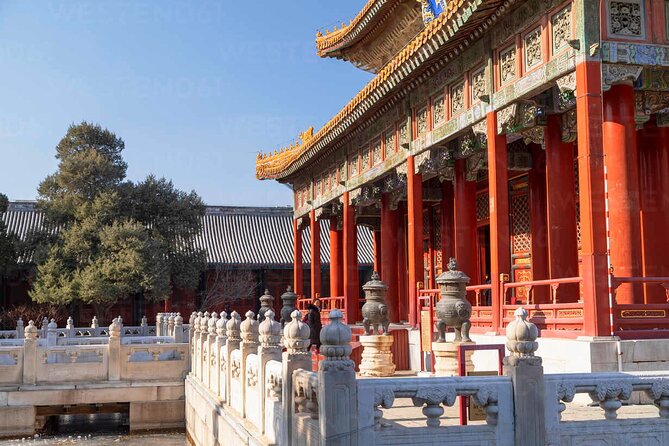
At about $8 per person, this is an inexpensive way to spend a substantial part of a Beijing sightseeing day. The price includes entrance to the Temple of Confucius and Guozijian Museum, and you can add an English-speaking guide if you want more context.
The value is strongest for readers who will actually use the English information and stay long enough to examine the exhibits. If you rush through the courtyards in 30 minutes, the ticket may feel less rewarding. If you allow two or three hours, the cost compares well with the amount of historical material on offer.
Group discounts are available, which may improve the price for a larger party. The supplied information does not give the discount amount, so confirm the final total before payment.
I would not book this as a quick photo stop alone. The site’s appeal comes from its inscriptions, educational displays, and historical connections. You get more value by treating it as a museum visit with architectural details, not simply as another temple entrance.
Handling the digital ticket and QR codes
Your tickets are sent five days before the travel date. Save them to your phone before you leave for the site, and make sure every person in your party has the correct QR code available.
There has been a problem with one QR code in a two-person booking failing at the entrance. The visitors were allowed in only because a guard understood the situation, so you should not rely on that kind of luck.
Check the codes as soon as they arrive. Keep the supplier’s contact phone number available in case one code does not scan. If you book for two or more people, check that the confirmation includes the right number of codes.
This is a small practical point, but it matters. A low-cost ticket is not much help if you are standing at the gate trying to explain a digital error.
How much time should you allow?
For a quick look at the major halls and stone records, you might manage the visit in less than two hours. That pace gives you the general shape of the site but leaves little time for the English displays.
Two to three hours is a better target if you want to understand the Imperial Examination, inspect the steles, and read the museum information. This is also the amount of time that makes the $8 admission feel especially fair.
You can plan the visit as part of a larger day rather than treating it as a stand-alone excursion. Since the Lama Temple is nearby, combine the two if you want a full morning or afternoon in this historic part of Beijing.
The exact time you spend will depend on whether you add a guide and how closely you read. The ticket itself does not impose a detailed itinerary, so you have useful flexibility.
Who will enjoy this visit most?
I recommend this experience to you if you like history that explains how a society worked. The temple’s connection to Confucius is important, but the displays about education, examinations, and government make the site especially valuable for anyone curious about imperial China’s institutions.
It also suits families with older children or teenagers who are studying Chinese history. The names carved into the steles can help make the Imperial Examination less abstract, while the halls give the subject a physical setting.
Architecture-focused visitors should enjoy the carved details and scholarly buildings, but I would not choose this as your only Beijing temple visit. Its strongest material is educational and historical rather than purely visual.
You may want the guide if you prefer a spoken explanation. If you are comfortable reading English exhibit panels, the self-guided ticket gives you more control and keeps the cost low.
A few limitations to keep in mind
The site is not presented as a full-day guided program with a detailed schedule. It is primarily an entrance ticket with an optional guide, so you need to take responsibility for your own timing if you visit independently.
The available information also does not list specific guide names, exact meeting instructions, or a minute-by-minute route. Confirm those details if you select the guided option.
The digital QR code issue is the clearest practical concern. It did not prevent one pair from entering, but their admission depended on help at the gate. Check everything early and keep support details close.
Finally, the site rewards reading. If you want constant action, performances, or a fast series of major sights, this may feel quiet. If you like a slower historical stop where names, texts, and institutions matter, that quiet pace is part of the appeal.
Should you book the Temple of Confucius and Guozijian ticket?
Book it if you want an affordable, self-paced look at the educational system behind imperial China. The combination of the Temple of Confucius, the former Guozijian, scholarly halls, and examination steles gives you more substance than a simple entrance to an old building.
I would choose the basic ticket if you read English comfortably and plan to spend two or three hours on site. Add the guide if you want the stories explained as you go or if the Imperial Examination and Confucian traditions are new to you.
The short walk from the Lama Temple makes this especially easy to fit into a Beijing itinerary. Just check your QR codes when they arrive five days before your date, and keep the contact number available. For around $8, this is a sensible choice for history-minded visitors who prefer depth and quiet observation over a hurried checklist.
FAQ
Where is the Temple of Confucius and Guozijian Museum?
The Temple of Confucius and Guozijian Museum are in Beijing, a short walk from the Lama Temple.
What does the ticket include?
The ticket includes entrance to the Temple of Confucius and Guozijian Museum. An English-speaking guide is included only if you select the related guided option.
Is an English-speaking guide required?
No. You can visit independently because English instructions and exhibit information are available throughout the site. A guide is optional.
How long should I plan for the visit?
The experience is listed as approximately one day, but you can reasonably plan about two to three hours if you want time to read the displays and see the halls, carvings, and stone steles.
When will I receive the tickets?
The tickets are sent five days before your travel date.
Is the experience private?
Yes. It is described as a private activity, so only your group participates.
Can I cancel for a full refund?
Yes, if you cancel at least 24 hours before the experience start time. Cancellations made less than 24 hours in advance are not refunded, and late changes are not accepted.
New reviews from Beijing
- Private Transfer to Mutianyu Great Wall with professional driver★ 5.0 · 19 reviews
- One day tour to downtown Tianjin from Beijing by high speed train★ 5.0 · 3 reviews
- camp on the Great Wall overnight with sunrise and sunset on the wall★ 5.0 · 11 reviews
- ZANBUS: Trip to the Jinshanling Great Wall Departing at 7:30 AM★ 5.0 · 5 reviews
- BusDa:Ancient Great Wall &Badaling Great Wall Full-day Bus Tour★ 4.5 · 6 reviews
- Yuxiandu Chinese Royal Cuisine Museum with Show and Royal Banquet★ 5.0 · 4 reviews
- Wild Great Wall Hikes★ 5.0 · 10 reviews
- Wild Great Wall Huanghuacheng Half Day Tour★ 5.0 · 15 reviews
Tours in Beijing, compared.


Forbidden City Tour(Group/Private)-Tickets Included
Read our review →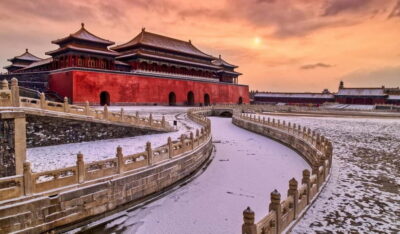
T-Square & Forbidden City Group or Private Tour
Read our review →
All-Inclusive Tour: Tiananmen Square, Forbidden City, Great Wall
Read our review →
MuBus: Mutianyu Great Wall ENG/ESP/RUS Guided Bus Tour
Read our review →
4-Hour Small Group Tour to Forbidden City with Entry Tickets
Read our review →
Beijing Full Day Tours: Tiananmen Sq, Forbidden City, Great Wall
Read our review →