
Reviewed · SHOWS & PERFORMANCES
Beijing Royal Banquet with Chinese culture prefermance
The most unusual part of this Beijing experience is the setting: a large royal-cuisine museum and dining center where the meal comes with Chinese cultural performances. You are not simply stopping for roast duck. You are entering a venue built around imperial-style food, displays, and ceremony, with a 1,500-square-meter historical exhibition area.
I like the chance to try a long list of traditional dishes in one sitting, especially roast duck with jujube wood, longevity noodles, and braised sea cucumber with fish maw. I also like the practical setup: English support is available, the venue has a separate entrance for ticket holders, and the experience is wheelchair accessible. The main consideration is the $150 price, which makes the banquet a special event rather than a casual Beijing meal.
Key points at a glance
- A royal-cuisine museum and banquet hall: See an exhibition area of about 1,500 square meters before or around your meal.
- A full traditional menu: Expect snacks, appetizers, sea cucumber, tofu, bamboo shoots, roast duck, lamb, cabbage soup, noodles, youtiao, and yoghurt.
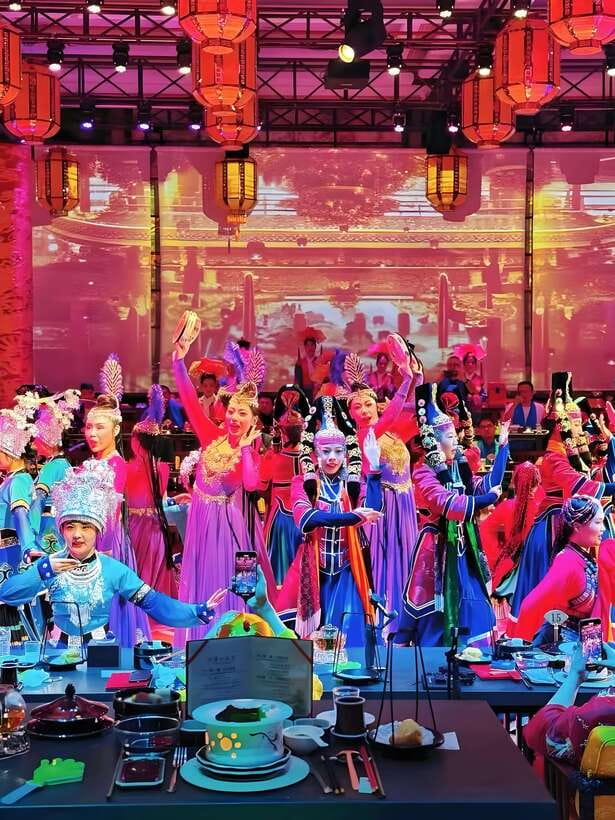
- Cultural performances included: The royal dining experience comes with Chinese cultural entertainment.
- A large modern venue: More than 10,000 square meters are used for the tasting experience, alongside a transparent central kitchen.
- Strict arrival times: Reach the venue before 11:15 for lunch or before 18:15 for dinner.
- Useful booking flexibility: You can reserve now and pay later, with free cancellation up to 24 hours before the experience.
Entering Yuxiandu in Beijing’s Haidian District
Your meeting point is No. 117, West Fourth Ring North Road, in Beijing’s Haidian District. The venue is called Yuxiandu, a name connected here with royal cuisine and a museum-style dining experience.
The scale matters. The site has a historical and cultural exhibition area of about 1,500 square meters, plus a royal-cuisine tasting area of more than 10,000 square meters. That tells you this is not a small family restaurant with a few decorative palace touches. It is a purpose-built venue designed to present food, culture, and ceremony together.
The building combines traditional elements with modern ones. You might find this appealing if you want your meal to come with some context, rather than arriving at a table with no explanation of what you are eating. At the same time, do not expect an intimate neighborhood dining room. The size and formal setup suggest a grand presentation, not a quiet local supper.
The venue has also been visited by celebrities and politicians. That detail adds to its public profile, though it should not be the main reason you book. The real question is simple: do you want a meal that functions as a cultural event?
More Shows and Performances in Beijing
- Red Theatre Beijing Acrobatic Show Tickets
★ 4.9 · 461 reviews - Red Theatre Beijing Acrobatic Show Tickets Official Booking
★ 5.0 · 218 reviews - Red Theatre Beijing Acrobatics Show Ticket
★ 5.0 · 141 reviews
A museum visit before the meal
The exhibition area gives the experience a useful starting point. Royal cuisine is not only about expensive ingredients. It is also about presentation, food traditions, kitchen organization, and the connection between dining and status in Chinese history.
The available information does not give a room-by-room exhibition route or name individual displays, so you should not expect a fixed list of objects or a guided lecture. Still, the 1,500-square-meter area gives the venue room to explain its theme beyond a few framed pictures.
I like this part because it can help you recognize the role of the dishes that follow. If you are unfamiliar with fish maw, sea cucumber, youtiao, or longevity noodles, a museum-style setting gives the meal a broader frame. You are tasting foods that carry cultural meaning, not just checking off unfamiliar menu items.
The separate entrance for booked visitors can also save time. Since this is a large venue, arriving early is wise even though the experience itself lasts 2.5 hours. For lunch, you must arrive before 11:15. For dinner, arrive before 18:15. These are useful cutoffs, not loose suggestions.
The royal banquet menu
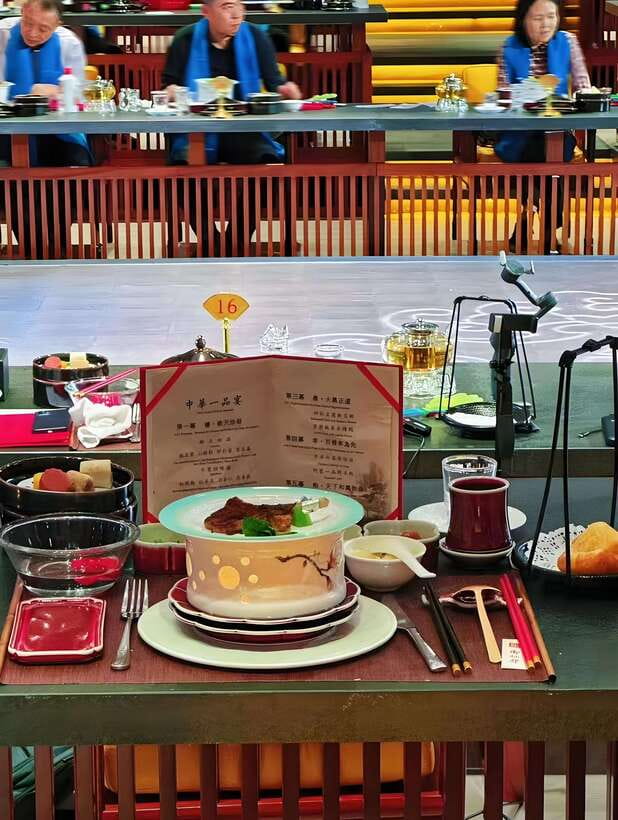
The menu is the heart of the experience. It begins with snacks and an appetizer platter, then moves through several substantial dishes before finishing with sweet and breakfast-style items.
The menu includes braised sea cucumber with fish maw in a casserole. Sea cucumber has a soft, unusual texture, while fish maw is valued in Chinese cuisine for its gelatinous quality. This may be one of the more unfamiliar courses for many diners, but it is also one of the dishes that makes the meal feel different from a standard Beijing dinner.
You will also receive marinated tofu and bamboo shoots. These dishes bring a lighter contrast to the richer courses. Bamboo shoots offer a crisp texture, while tofu absorbs the flavor of its seasoning. Their place in the meal helps keep the menu from becoming a procession of heavy meat and seafood.
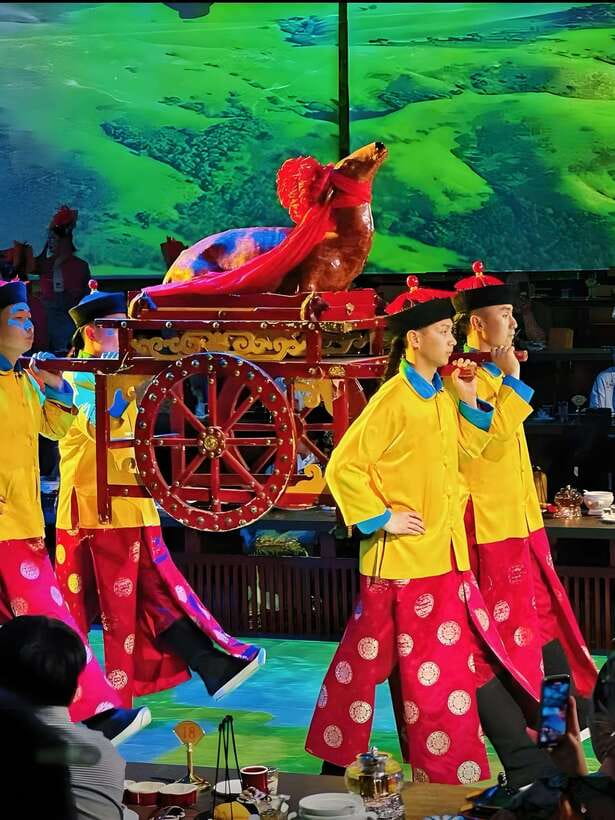
The roast duck is prepared with jujube wood. Peking duck is one of Beijing’s best-known foods, but the menu here presents it within a larger royal-banquet format. The use of jujube wood is a specific detail that gives the dish a regional and traditional note. If roast duck is the item you most want to try, this course gives you a familiar reference point inside a much broader meal.
Roasted lamb follows the same grand banquet spirit. Lamb brings a deeper, more direct flavor than duck, and its inclusion makes the meal feel generous. You are not being offered one signature dish with a few side plates. The menu is designed as a long progression.
Chinese cabbage in soup provides a gentler course. Soup can reset your palate after roasted meats and richer sauces. Its simplicity may be welcome, especially if you prefer a meal with some lighter moments rather than a nonstop parade of strong flavors.
Noodles, youtiao, and a sweet finish
The final dishes are especially interesting because they move beyond the usual restaurant dinner. Longevity noodles with poached eggs connect food with good wishes and long life. The dish is also practical for anyone who wants something familiar after trying sea cucumber, fish maw, and other less common ingredients.
Deep-fried dough sticks, known as youtiao, are usually associated with breakfast and casual Chinese eating. Serving them with milk places a familiar everyday food inside a formal banquet. That contrast is one of the menu’s more appealing details. A royal-style meal does not have to rely only on rare or costly ingredients.
The menu ends with yoghurt filled with honey. It is a mild finish after the roast duck, lamb, and casserole dishes. The full progression gives you a chance to sample several types of Chinese food in one sitting, from ceremonial ingredients to everyday favorites.
The exact serving sizes and presentation are not specified, so you should avoid judging the $150 cost by comparing it with the price of one plate of duck. You are paying for a package that includes a banquet, cultural performances, a large themed venue, and access to a museum-style setting.
Other shows and performances in Beijing:
- Beijing Roast Duck Banquet and Acrobatics Show with VIP Seats Evening Tour
★ 3.5 · 87 reviews - Red Theatre Beijing Acrobatics Show Ticket
★ 4.9 · 73 reviews - Beijing: Traditional Cultural Show Peking Opera Tickets
★ 4.4 · 66 reviews - Beijing Red Theater Acrobatic Show with Private Transfer Service
★ 5.0 · 62 reviews
Chinese performances during dinner
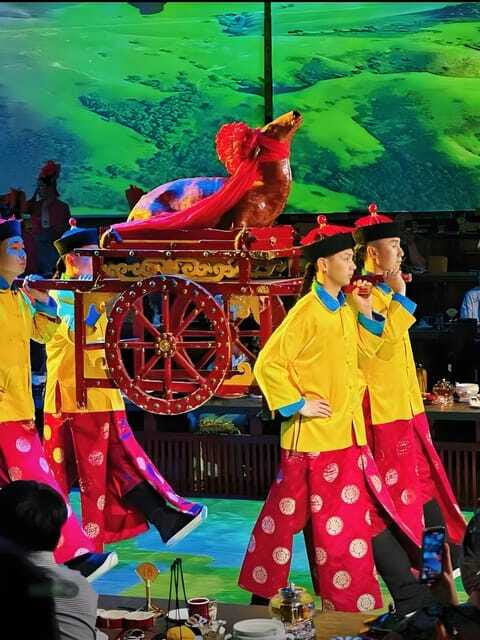
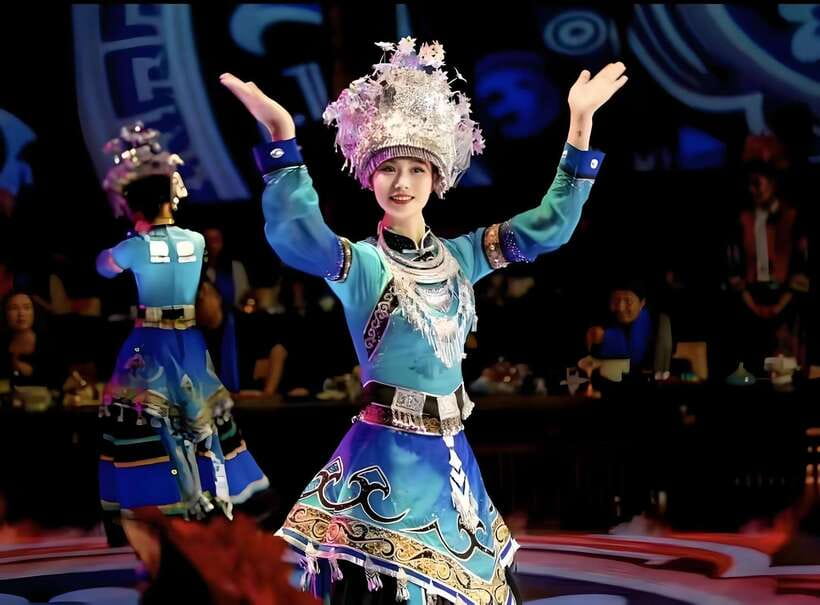
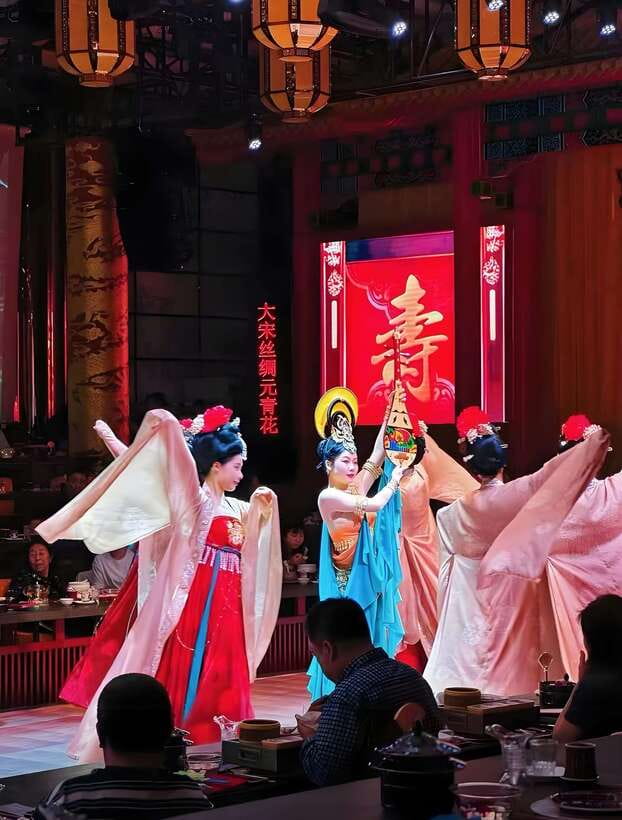
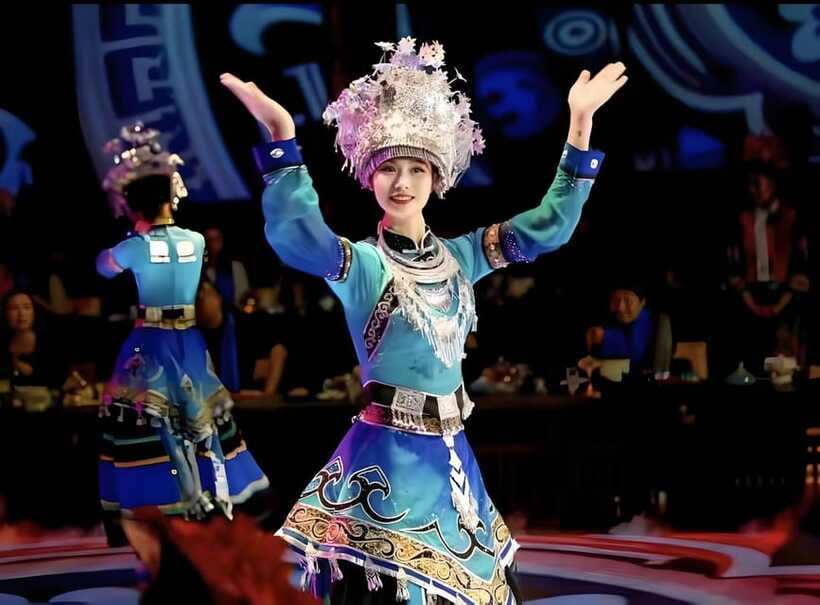
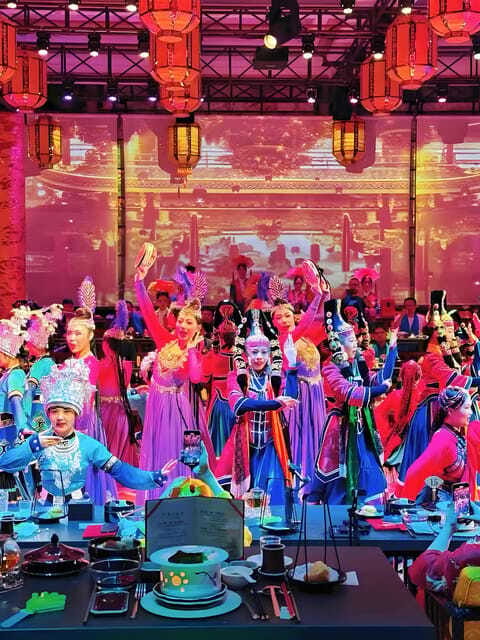
The performances are part of the royal experience rather than an optional add-on. The available details do not identify the performers or list the exact acts, so you should treat the program as Chinese cultural entertainment rather than expecting a particular opera, dance, or musical style.
That uncertainty is worth noting. If you are booking specifically to see one named performance, confirm the program before paying. If you simply want a meal with live cultural presentation, the format should suit you well.
I like the way this changes the pace of the evening. You can enjoy the food while also watching a staged presentation tied to Chinese culture. The trade-off is that performance dining is less flexible than a normal restaurant meal. You may have less control over the speed of the meal, and conversation may not be the main focus at every point.
For a first visit to Beijing, this kind of combined experience can be useful. It lets you fit food and culture into one scheduled event. For a repeat visitor who prefers small restaurants and independent dining, it may feel too formal.
A modern kitchen behind a traditional theme
Yuxiandu includes a transparent, green, environmentally friendly, and energy-saving central kitchen. The supplied information does not explain exactly what you will see through the kitchen or how long you can observe it, so I would not treat this as a separate kitchen tour.
Still, the design says something about the venue. The organizers are pairing royal-cuisine traditions with modern food production and environmental ideas. That mix may appeal to you if you enjoy seeing how an old culinary theme is presented in a contemporary building.
The large tasting area also helps explain why the venue can handle a formal banquet format. It is built for scale, though no group size is provided. You should be prepared for an organized setting rather than a personalized chef’s counter.
Is $150 a fair price?
At $150 per person, this is expensive compared with an ordinary Beijing meal. You could eat roast duck or noodles elsewhere for much less. The price makes sense only if you value the complete package.
You are paying for the royal banquet, the cultural performances, the exhibition setting, and the convenience of having these elements arranged together. The menu also contains costly or ceremonial ingredients, including sea cucumber and fish maw, along with multiple meat courses and desserts.
I would compare this with the price of a cultural show plus a formal dinner, not with the cost of a casual restaurant lunch. The experience may be good value for a first-time visitor who wants one planned evening that combines food and Chinese culture.
It is less convincing for a food-focused diner who wants to spend $150 on several small, independent meals around Beijing. The venue’s large scale may also matter to your decision. Some people enjoy a grand banquet hall, while others would rather eat in a smaller, more personal room.
Who should book this experience?
I would recommend it to you if you want a structured cultural evening and do not want to plan every part yourself. It suits first-time visitors, families, and anyone interested in trying a wide range of Chinese foods without moving between restaurants.
It is also a useful option if you need English support. The host or greeter can speak Chinese or English, and the experience is wheelchair accessible. Those details remove some common practical concerns.
You may want to skip it if your main goal is a quiet meal, street food, or a small local restaurant. The formal theme, fixed arrival times, and large venue will not suit every dining style.
Remember that the listed inclusion is the royal banquet. The meeting point is provided, but no transportation service is specified, so check your route to Haidian District before booking. After booking, you receive a confirmation email with guidelines.
Booking flexibility and timing
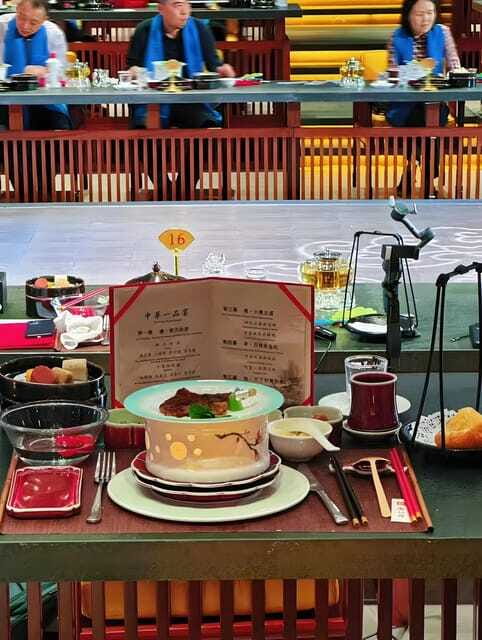
The experience lasts 2.5 hours. Check the available start times, then plan to reach the venue before 11:15 for lunch or before 18:15 for dinner.
You can reserve now and pay later, which helps if your Beijing schedule is still changing. Free cancellation is available up to 24 hours in advance for a full refund.
Should you book the Beijing Royal Banquet?
Book it if you want a polished food-and-culture event, not just a meal. The combination of a large royal-cuisine exhibition, traditional dishes, Chinese performances, and English-language support gives you a clear reason to choose it over an ordinary restaurant.
At $150, it is a special-occasion purchase. I would choose it for a first Beijing visit, a family outing, or a day when you want the cultural planning handled for you. I would pass if you prefer low-cost dining, small restaurants, or complete freedom over your schedule.
FAQ
Where is the Beijing Royal Banquet held?
The meeting point is No. 117, West Fourth Ring North Road, Haidian District, Beijing, China.
How long does the experience last?
The royal banquet experience lasts 2.5 hours.
What time should I arrive?
For lunch, arrive before 11:15. For dinner, arrive before 18:15.
What languages are available?
The host or greeter can provide support in Chinese or English.
Is the experience wheelchair accessible?
Yes, the experience is wheelchair accessible.
Can I cancel for a full refund?
Yes. You can cancel up to 24 hours in advance for a full refund. You can also reserve now and pay later.
New reviews from Beijing
- Mutianyu Wall, Summer Palace & Old Summer Palace Day Tour★ 4.8 · 34 reviews
- Night Market Haggling Adventure with an English Guide!★ 4.8 · 7 reviews
- BusDa-Mutianyu Great Wall&Forbidden City Full-day Coach Tour★ 4.9 · 11 reviews
- Mutianyu Great Wall Ticket with Roundtrip Cable Car★ 5.0 · 20 reviews
- Mutianyu Great Wall Bus Trip+Ticket 7/8/9/10/13/13:30/15:30★ 4.7 · 24 reviews
- Mutianyu Great Wall Entry Ticket Chairlift Up Toboggan Slide★ 4.9 · 8 reviews
- Mutianyu Great Wall 5-KM Guided Hike with Uphill Cable Car★ 4.8 · 16 reviews
- Mutianyu Great Wall Admission Ticket★ 3.6 · 7 reviews
Shows & Performances, compared.
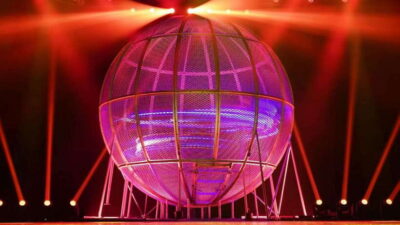
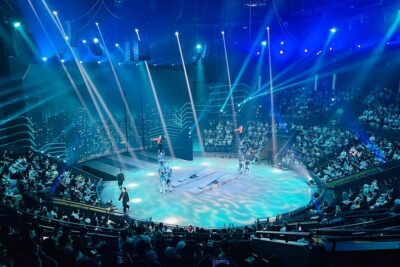
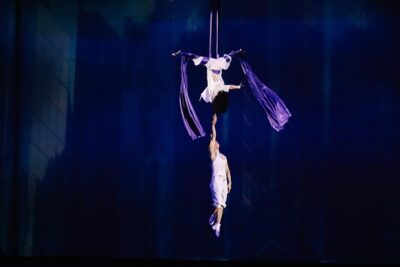
Shanghai Circus World: ERA2 Intersection of Time Acrobatics Show
Read our review →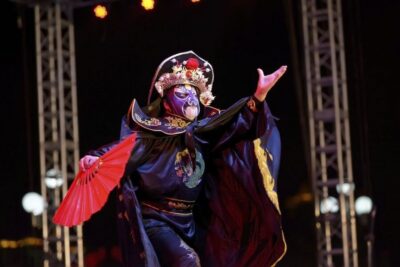
Sichuan Opera Shu Feng Yan Yun Evening Show Ticket
Read our review →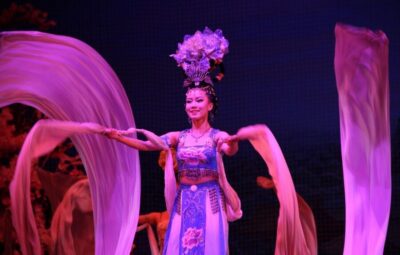
Great Tang Dynasty Night Show & Dumpling Meal Option
Read our review →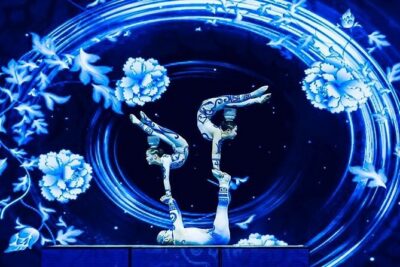
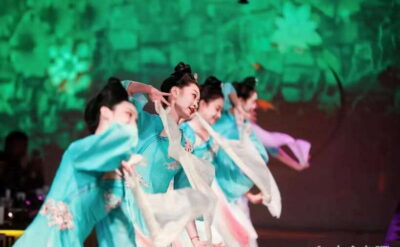
Royal Banquet with Chinese Cultural Performance
Read our review →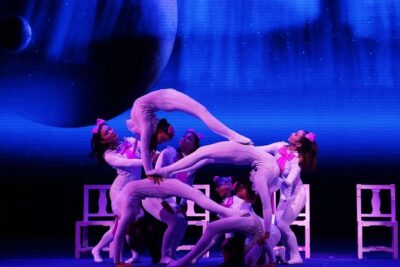
Beijing Roast Duck Banquet and Acrobatics Show with VIP Seats Evening Tour
Read our review →Browse the lists this tour appears in