Reviewed · TOURS IN BEIJING
Beijing: Natinonal Center For The Peformance Arts Ticket
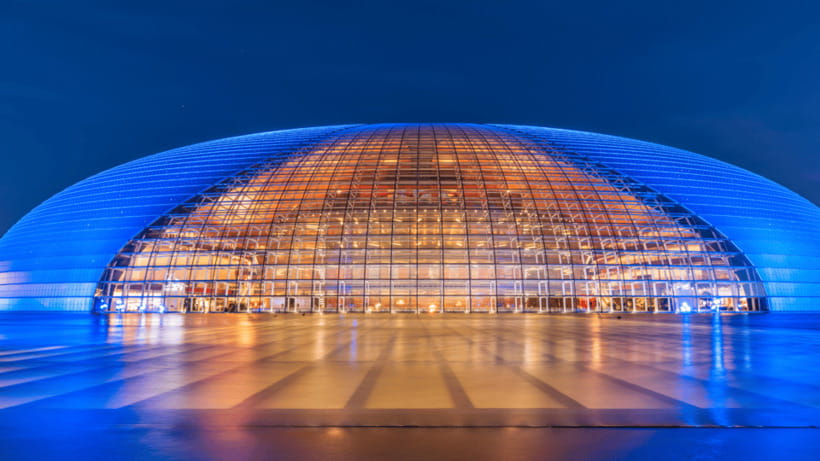
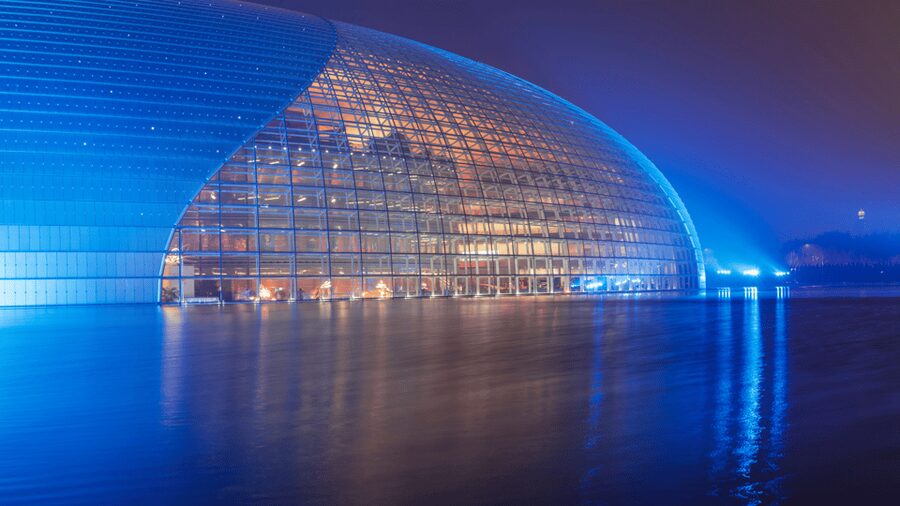
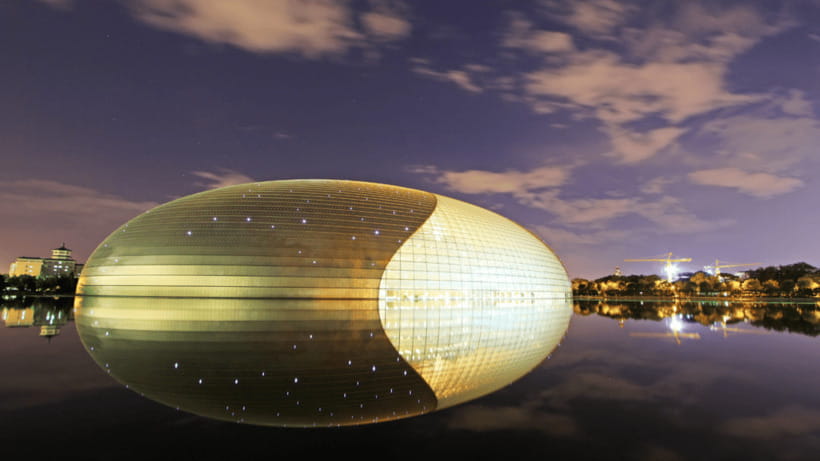
The National Centre for the Performing Arts is Beijing’s giant silver egg, floating visually on an artificial lake in the heart of the city. Designed by French architect Paul Andreu, it is as much an architectural attraction as a performance venue. I especially like the lake reflections and the chance to enter the opera house itself, not just photograph it from outside. The English PDF guidebook also gives you useful context without forcing you into a live tour.
I like this visit for two clear reasons: it offers direct access to one of China’s most unusual modern buildings, and the ticket process can be especially useful for foreign visitors facing controlled entry. The main drawback is simple: this is an admission ticket, not a performance ticket, and parts of the interior may feel dim or quiet when no show is running.
Key things to know before you go
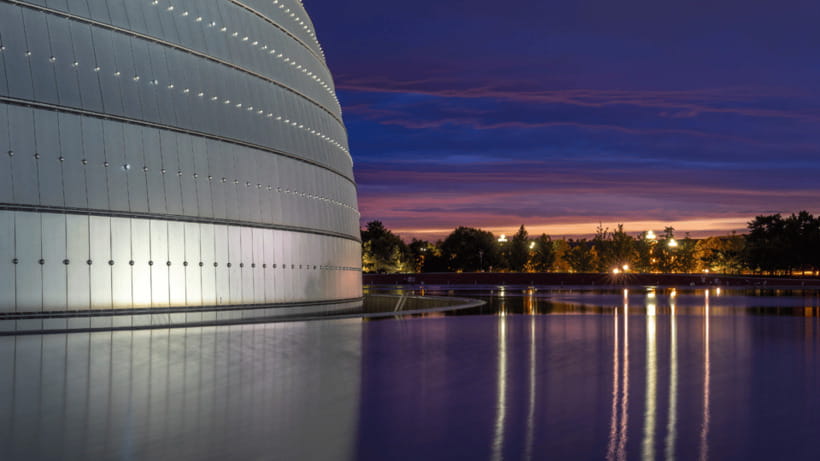
- The building is an artificial-lake landmark: The titanium-and-glass shell looks different from every side, especially when the water reflects the sky and lights.
- Three major venues are inside: You can see the Opera House, Concert Hall, and Theatre, although admission does not include a live performance.
- The visit can fill four hours: Allow time for the exterior, interior spaces, exhibitions, and the architectural details that are easy to miss.
- A passport or ID card is required: Entry is controlled, so do not leave your identification at the hotel.
- The English PDF guidebook is included: It helps explain the design and background on a self-guided visit.
- A show needs a separate ticket: Evening performances and any advertised light or cultural program should be treated as extra, not part of this basic admission.
Why Beijing’s silver egg is worth your time
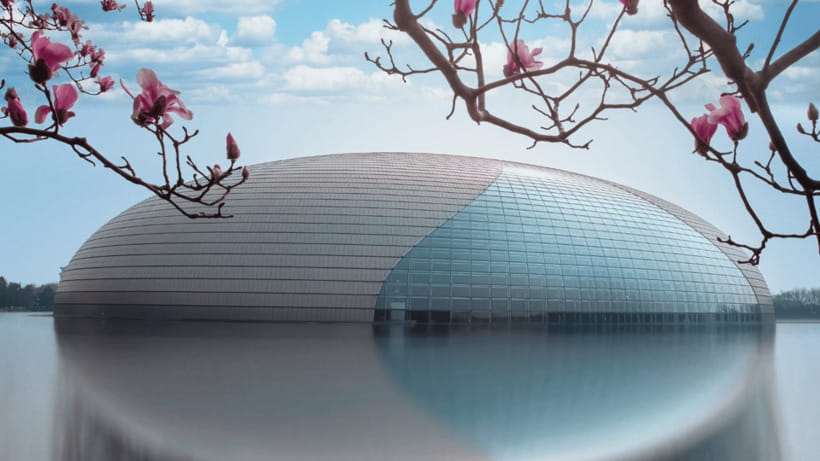
Beijing has no shortage of grand monuments, but the NCPA offers a very different kind of spectacle. Instead of stone gates, imperial roofs, or red walls, you get a smooth oval shell of titanium and glass surrounded by water. It is futuristic without being difficult to understand: the building is meant to look like an egg emerging from a lake.
The setting matters. The artificial lake covers about 100,000 square meters, creating a broad band of water around the center. The water is treated so reflections change with light and weather. That gives you several good viewing moments. In daylight, the shell and curved glass mirror the sky and nearby surroundings. After dark, the building becomes more theatrical, though the lighting inside and around the venues can vary when no performance is taking place.
I would not treat this as a quick photo stop. The exterior is the instant attraction, but the interior explains why the building has become such an important cultural center. You can see how the large shell leads into a working complex with separate spaces for opera, concerts, drama, and dance.
The experience suits people who enjoy architecture, modern design, and cultural buildings. It also works well for anyone who has already seen Beijing’s historic sights and wants a change from temples and old city walls.
A few more days out in Beijing worth the ticket
- Beijing: Forbidden City Tour(Group/Private)-Tickets Included
★ 4.8 · 7,974 reviews - 4-Hour Small Group Tour to Forbidden City with Entry Tickets
★ 5.0 · 1,863 reviews - Beijing: Tiananmen Square Registration Service(Ticket)
★ 4.5 · 1,704 reviews
Arriving at the North Gate
The meeting point is the North Gate of the National Centre for the Performing Arts. This detail is important because the complex is large, and meeting at a general point near the building could create needless confusion. Go to the north entrance with your passport or ID card ready.
Access is controlled, particularly for foreign visitors. An online reservation can make the difference between seeing the building and being turned away at the entrance. Keep the identification used for booking close at hand and allow time for the entry process rather than arriving at the last minute.
The admission is listed at about $20 per person. That is not cheap for a building visit in Beijing, but the price makes more sense if you use the full four-hour window and care about the architecture. You are paying for access to a major national arts complex, not merely a viewpoint outside.
If your interest is limited to taking one exterior photograph, the ticket may feel expensive. If you want to study the structure, enter the public spaces, see the theater areas, and read about the design, the value is stronger.
Seeing Paul Andreu’s design from the outside
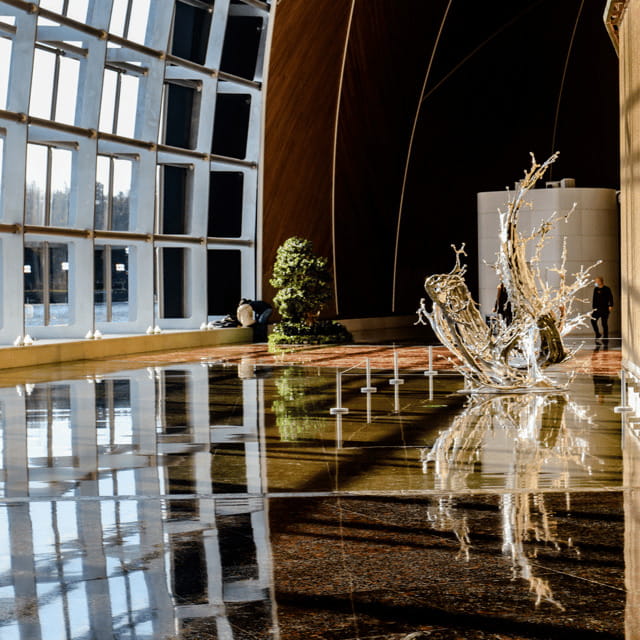
Start outside and walk slowly around the lake before heading in. The building’s form is easy to recognize in photographs, but the real effect comes from its scale and isolation. The oval shell appears to rest on the water, with a low profile that contrasts sharply with the surrounding city.
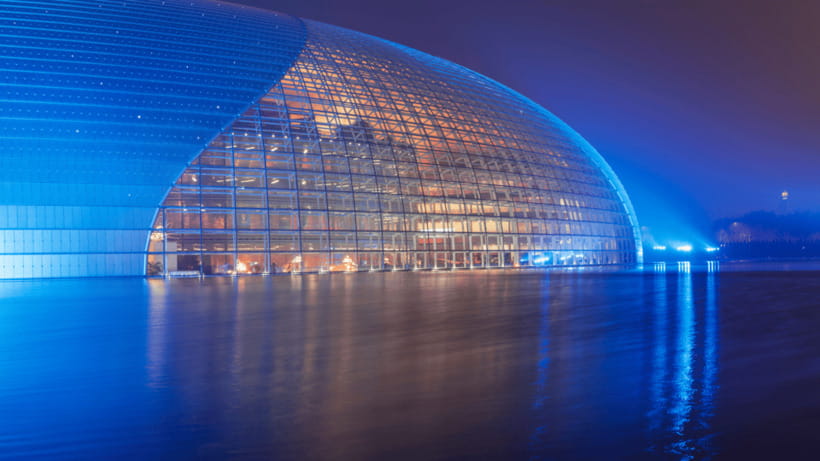
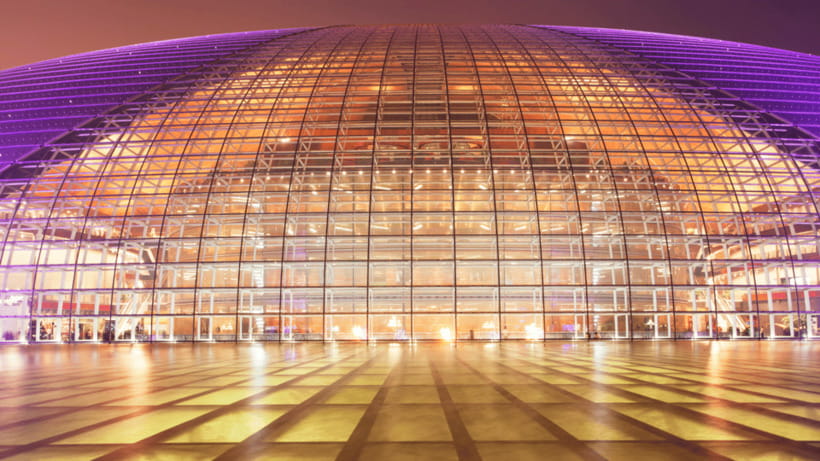
The exterior uses titanium and glass. The curved glass admits natural light and reflects the environment, while the metal shell gives the structure its smooth, almost otherworldly appearance. It is a building that changes character through the day rather than offering one fixed view.
The artificial lake is not just decoration. It gives the center a visual buffer and lets the building read as a complete composition. On a clear day, you might find the reflections crisp and bright. In different weather, the surface and shell can look softer or more muted.
Take photographs from several angles instead of stopping at the first obvious viewpoint. The classic image is the full egg reflected in the water, but closer views reveal the meeting of glass, metal, and curved surfaces. The exterior is also the best part of the visit for anyone who is not especially interested in opera or concert halls.
Inside the Opera House, Concert Hall, and Theatre
The NCPA contains three main performance spaces, each built for a different kind of art.
The Opera House seats more than 2,000 people and is the largest of the three. Even without a performance, entering this section helps you understand the scale required for opera productions. The space is designed for spectacle, and the opportunity to see inside was one of the strongest parts of the experience for several visitors who enjoyed the architecture and the chance to enter the opera theater.
The Concert Hall holds more than 1,200 people and is used mainly for symphonic concerts and other musical performances. Its purpose gives the complex a different character from the Opera House. You are not simply looking at one huge auditorium repeated three times. Each venue serves a separate artistic role.
The Theatre seats around 1,000 and is intended for drama and dance. It is smaller than the Opera House and Concert Hall, which suits more focused stage productions.
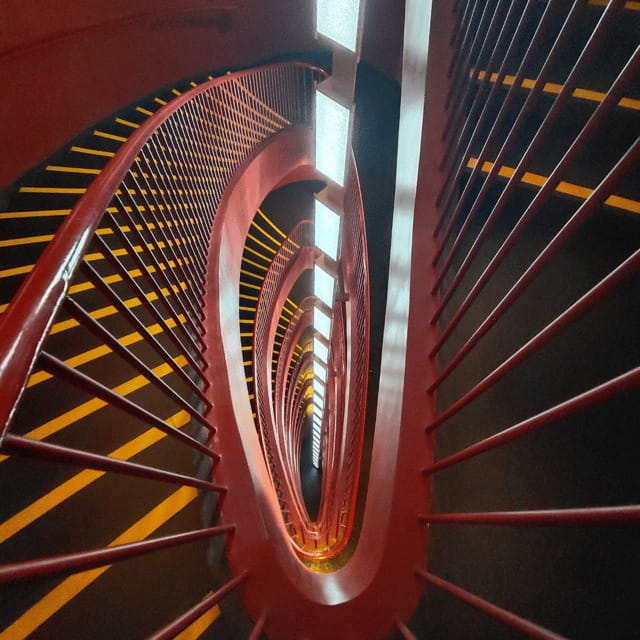
Do not expect every space to look fully active during a quiet period. When no show is running, some theater and opera areas may have limited lighting. That can make the interior feel gloomy rather than magical. It is a fair tradeoff for an admission visit, but it is worth knowing before you book.
A live performance is not included in this ticket. The NCPA regularly hosts operas, concerts, dance programs, and dramas, but you need a separate performance ticket if you want to attend one. The building admission lets you visit the center and its public areas, not take a seat for an evening program.
Same city, a completely different day:
- From Beijing: Mutianyu Great Wall Tours with Options
★ 4.9 · 9,216 reviews - Beijing: T-Square & Forbidden City Group or Private Tour
★ 4.8 · 4,446 reviews - All-Inclusive Tour: Tiananmen Square, Forbidden City, Great Wall
★ 5.0 · 2,873 reviews - MuBus: Mutianyu Great Wall ENG/ESP/RUS Guided Bus Tour
★ 5.0 · 2,361 reviews
Exhibitions, photographs, and the English guide
The visit also includes access to exhibitions, and these add value for anyone who wants more than architecture. The exact exhibition content can change, so I would not book this solely for one particular display. Still, the exhibits give you another way to connect the building with China’s performing arts scene.
Your English PDF guidebook is included. This is useful because the building’s shape is easy to admire but harder to interpret without context. A guide can explain the design concept, the role of the lake, and the purpose of the three venues as you move through the center.
The ticket does not include a live tour guide or an audio guide. That means you should expect to set your own pace and read the material yourself. For some people, this is ideal. You can linger at the exterior, spend more time in the Opera House, or move quickly through a section that interests you less.
The activity information allows for self-guided or guided options, but the listed admission includes the PDF rather than a live guide. Check the exact option you select at booking so you know which format you are purchasing.
Light shows and evening visits
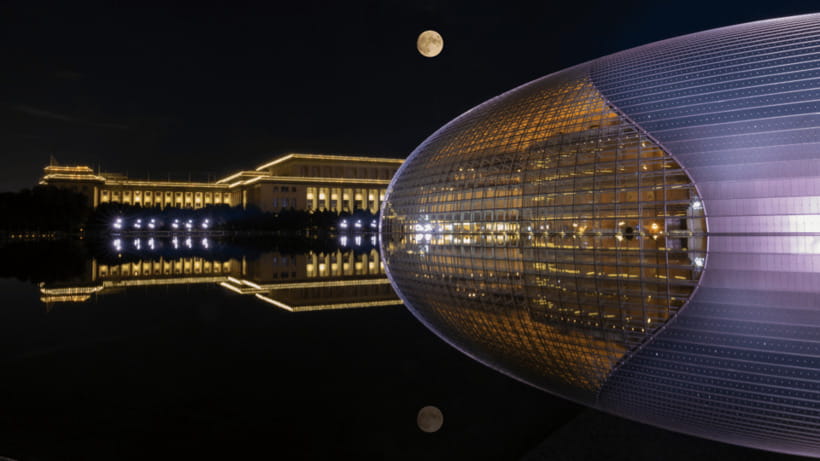
The NCPA is particularly photogenic after dark, when the shell and lake can take on a more dramatic appearance. The activity description also highlights a light show and cultural performance, but you should check the schedule carefully. These are not automatically covered by the basic admission, and a building ticket should not be confused with a ticket for a staged performance.
An evening visit can be worthwhile if you want to see the building reflected in the water under artificial light. Yet lighting is not guaranteed to be full or theatrical throughout the interior. If no performance is taking place, areas around the Opera House and Theatre may remain subdued.
For that reason, I would choose your timing based on your priority. Come in daylight if you want to study the architecture and take clear exterior photographs. Choose evening if the reflections and illuminated shell matter more to you, and confirm whether any light or cultural program is actually scheduled.
How long to allow and who will enjoy it
The stated duration is four hours. You do not need to rush, but the time makes sense if you include the lake, exterior photography, the interior route, exhibitions, and reading with the English guidebook.
I would recommend this visit to:
- Architecture enthusiasts who want to see a major contemporary building from both outside and inside.
- Art lovers interested in China’s main national performance center.
- Photographers looking for a distinctive subject rather than another historic courtyard.
- First-time visitors who want a modern contrast to Beijing’s imperial sights.
- People who prefer a self-guided visit and their own pace.
It may be less satisfying if you only want an opera or concert. In that case, buy a performance ticket instead, or add one if the schedule fits. The admission ticket alone will not give you the full atmosphere of a live night at the NCPA.
The venue is wheelchair accessible, which makes the building visit possible for a wider range of visitors. Still, the most useful practical advice applies to everyone: bring your passport or ID card and arrive at the North Gate with enough time for controlled entry.
Is the $20 admission good value?
At $20 per person, the ticket sits in the midrange for a major cultural attraction. Its value depends on how you use it.
You get entry to an important Beijing arts center, access to the building’s public areas, an English PDF guidebook, and the chance to view the three major performance venues. You also get the artificial lake and one of the city’s most recognizable modern architectural scenes.
You do not get a live guide, audio guide, or performance ticket. That keeps the visit quieter and more independent, but it also means the experience depends on your own interest and attention. If you skim through the building in an hour, the price may feel high. If you spend several hours examining the design and exhibitions, it becomes easier to justify.
The strongest value comes from combining the visit with a performance only if you are willing to pay separately and the schedule suits you. Otherwise, think of this as an architecture and cultural-center ticket, not a theater night.
What the high ratings tell you about the experience
The strongest praise centers on convenience, architecture, and access. The booking process is especially helpful for foreign visitors because entry is controlled. That practical benefit should not be overlooked. A beautiful building is of little use if you cannot get through the gate.
The architecture earns the most consistent enthusiasm. The outside is striking, but the interior adds the real substance. Being able to enter the Opera House and see the performance spaces gives the visit more weight than a simple exterior photograph.
The exhibitions and optional Chinese costume photographs can also add a personal touch. One visitor enjoyed the chance to put on a Chinese-style outfit and take a picture. That option may depend on what is available during your visit, so treat it as a possible extra rather than a guaranteed part of admission.
The one recurring caution is lighting. Without a show underway, some interior areas may look plain or gloomy. You can still appreciate the design, but do not expect every room to glow like a stage set.
Should you book the NCPA ticket?
Book it if you want to see one of Beijing’s most unusual buildings from the inside, especially if modern architecture interests you. The artificial lake, titanium shell, curved glass, exhibitions, and three performance spaces give you plenty to examine during a four-hour visit.
I would also book it if you are concerned about controlled access as an overseas visitor. The online reservation is a practical advantage, not just a convenience.
Skip it if your main goal is a live opera, concert, drama, or dance performance. This ticket does not include one. In that case, look for a separate show ticket and consider adding the building visit only if your schedule allows.
For most architecture and culture fans, the NCPA is a worthwhile addition to Beijing. Just arrive with the right expectations: you are visiting a remarkable working arts complex, not automatically attending a glittering evening performance.
FAQ
Where is the National Centre for the Performing Arts?
The NCPA is in the heart of Beijing, China. The meeting point for this activity is the North Gate.
How much does the NCPA admission cost?
The listed price is $20 per person.
How long does the visit last?
The stated duration is four hours. Starting times depend on availability.
Is a live performance included?
No. Tickets for performances at the National Centre for the Performing Arts are not included in this admission.
Is a guide included?
An English PDF guidebook is included. A live tour guide and audio guide are not included.
What should I bring?
Bring your passport or ID card. Entry is controlled, and identification is required.
Is the NCPA wheelchair accessible?
Yes, the activity is listed as wheelchair accessible.
New reviews from Beijing
- Mutianyu Wall, Summer Palace & Old Summer Palace Day Tour★ 4.8 · 34 reviews
- Night Market Haggling Adventure with an English Guide!★ 4.8 · 7 reviews
- BusDa-Mutianyu Great Wall&Forbidden City Full-day Coach Tour★ 4.9 · 11 reviews
- Mutianyu Great Wall Ticket with Roundtrip Cable Car★ 5.0 · 20 reviews
- Mutianyu Great Wall Entry Ticket Chairlift Up Toboggan Slide★ 4.9 · 8 reviews
- Mutianyu Great Wall Bus Trip+Ticket 7/8/9/10/13/13:30/15:30★ 4.7 · 24 reviews
- Mutianyu Great Wall 5-KM Guided Hike with Uphill Cable Car★ 4.8 · 16 reviews
- Mutianyu Great Wall Admission Ticket★ 3.6 · 7 reviews
Tours in Beijing, compared.
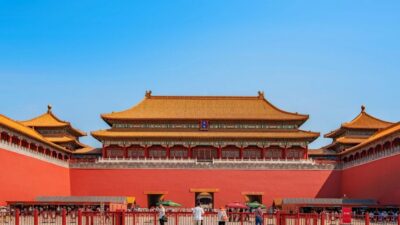
Forbidden City Tour(Group/Private)-Tickets Included
Read our review →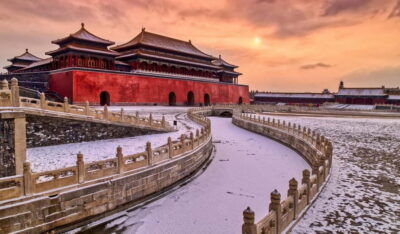
T-Square & Forbidden City Group or Private Tour
Read our review →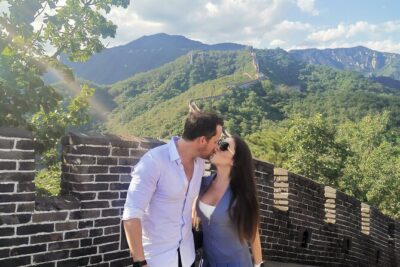
All-Inclusive Tour: Tiananmen Square, Forbidden City, Great Wall
Read our review →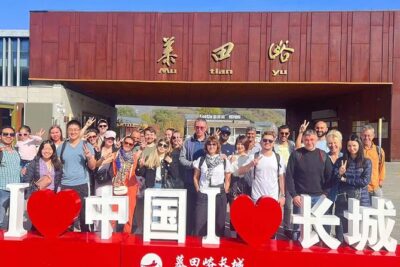
MuBus: Mutianyu Great Wall ENG/ESP/RUS Guided Bus Tour
Read our review →
4-Hour Small Group Tour to Forbidden City with Entry Tickets
Read our review →
Beijing Full Day Tours: Tiananmen Sq, Forbidden City, Great Wall
Read our review →