
Reviewed · MUSEUMS
Beijing: China National Film Museum Entry Reservation
Chinese cinema takes center stage at this large Beijing museum, where 21 exhibition halls trace film-making from its early years through modern China. You’ll see film history, production secrets, artistic work by major film-makers, and six movie halls, including an IMAX GT screen.
I like the low price of $4.82 and the freedom to explore at your own pace. I also like that the museum is more than a display of posters: its exhibitions cover changing periods of Chinese film and explain how movies are made. The main catch is language. Much of the written information is in Mandarin, so the included English guide matters a great deal.
Key points to know
- A large film museum: The building covers nearly 38,000 square meters and includes 21 exhibition halls.
- Chinese cinema across several floors: The second, third, and fourth floors hold the century-long film exhibition.
- A special first-floor exhibition: A New Journey of Struggle focuses on a separate theme.
- Six movie halls: The complex includes an IMAX GT hall and seating for more than 1,000 people in total.
- Use the correct QR code: The museum entry code is sent separately by email or WhatsApp. The code in the booking app is not your admission ticket.
- Plan for a Mandarin-heavy visit: An English textual and visual guide is included, but there is no live guide.
A serious look at Chinese film
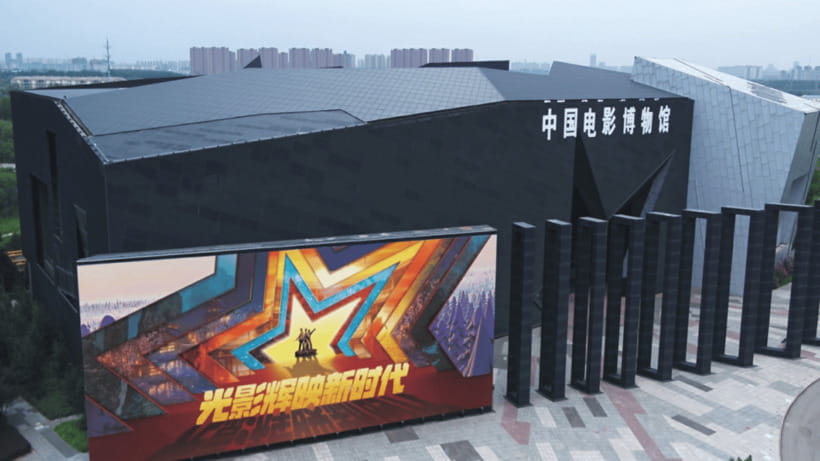
The China National Film Museum is not a small gallery you can rush through in half an hour. It is a major public cultural institution, founded in 2005 and opened to the public in 2007. Its size gives the visit a different feel from a standard film display. You are walking through a national story told through cinema.
The museum occupies nearly 38,000 square meters, with about 13,000 square meters devoted to its 21 exhibition halls. That is a lot of ground for a two-hour visit, so I would treat the suggested duration as a focused first visit rather than a promise that you will see every label and display.
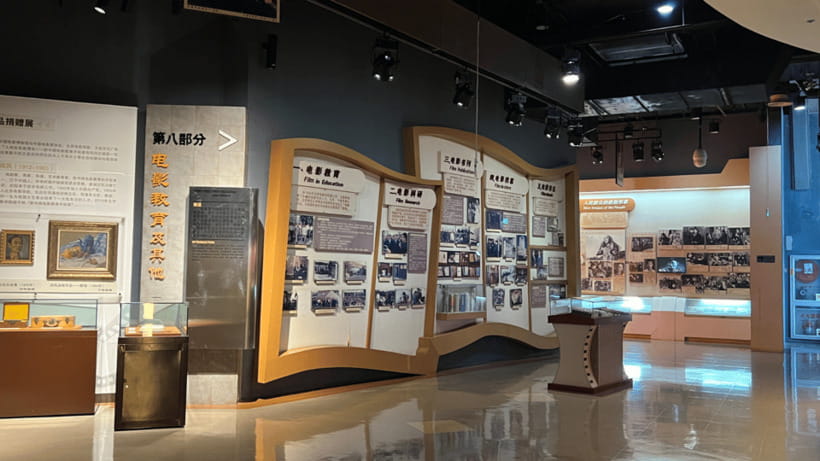
The museum looks at film as both art and a record of changing times. You can follow how Chinese cinema developed during different periods and stages, while also seeing the work of individual film-makers. The result is useful for anyone who wants more context behind Chinese movies, not just a collection of famous faces and film titles.
Other museums and galleries in Beijing:
- Beijing: Tianmen Square, Forbidden City & Royal Museum Tours
★ 4.6 · 1,288 reviews - Beijing:Jingshan Park (Palace Museum Garden) Ticket
★ 4.5 · 185 reviews - Beijing Half Day: National Museum of China In-depth Tour with Subway Transfer
★ 5.0 · 70 reviews
Start on the first floor
The first-floor exhibition is called A New Journey of Struggle. It is separate from the main century-long presentation on the upper floors, so it gives you a distinct opening point.
The title suggests a thematic look at China and its society through film. The supplied information does not provide a detailed room-by-room description, so I would allow time to read the panels and use the English textual and visual guide as you go. If you are interested in how public institutions present film as part of national culture, this first-floor section deserves more than a quick walk-through.
A useful approach is to begin here, then move upward to the main history display. That order gives you a current thematic section first, followed by the longer story of Chinese cinema. If you prefer to start with origins and chronology, you can go directly to the second floor instead.
Follow a century of cinema upstairs
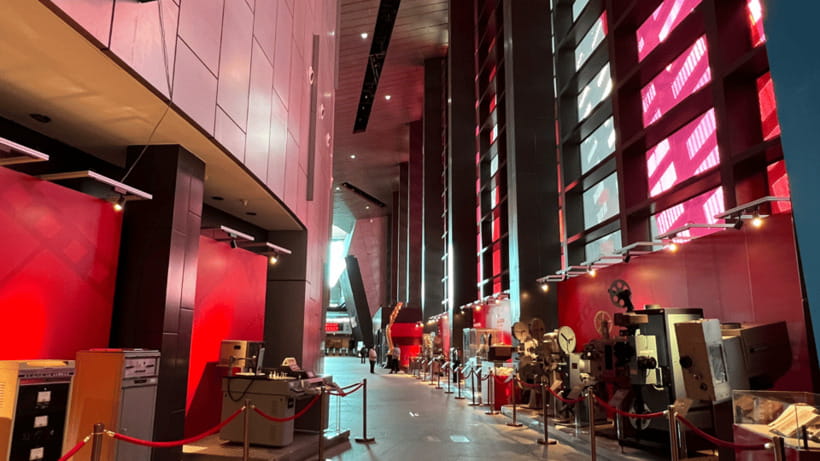
The second, third, and fourth floors contain A Century of History, A Century of Glory. This is the museum’s central attraction and the part most likely to hold your attention.
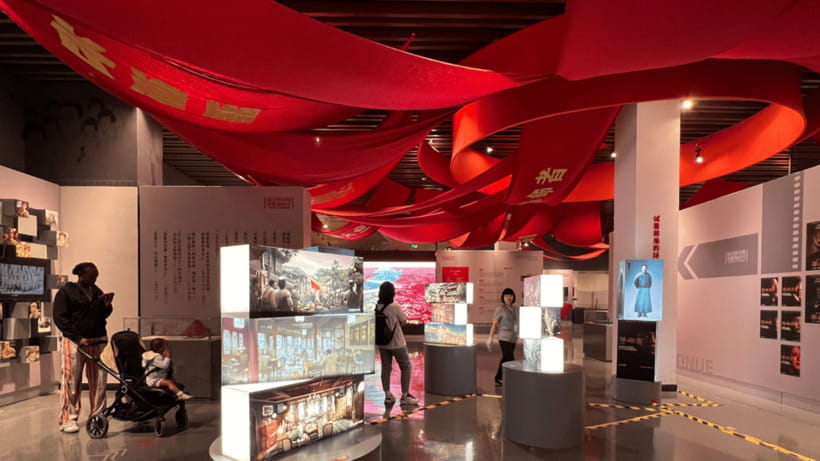
The exhibition follows Chinese film through different periods and stages. Rather than presenting cinema as a list of release dates, it connects film-making with the development of the country and its culture. You can see how styles, subjects, production methods, and artistic goals changed over time.
The displays also present the achievements of numerous film-makers. That makes the visit worthwhile even if you do not know many Chinese directors or actors before arriving. You can approach the museum as an introduction, using the visual material to get a broad sense of who shaped Chinese cinema.
The museum also reveals parts of the film-making process. This is one of its stronger features because it moves beyond finished films. You get a look at the work behind the screen, including the practical and artistic choices that turn an idea into a movie.
I would not try to read every panel. With 21 halls, a two-hour visit works best if you choose a pace. Spend longer with displays that catch your attention, and use the English guide to fill in the basic context. A short visit can give you the main story, while a longer stay lets you examine the smaller details.
The language issue matters
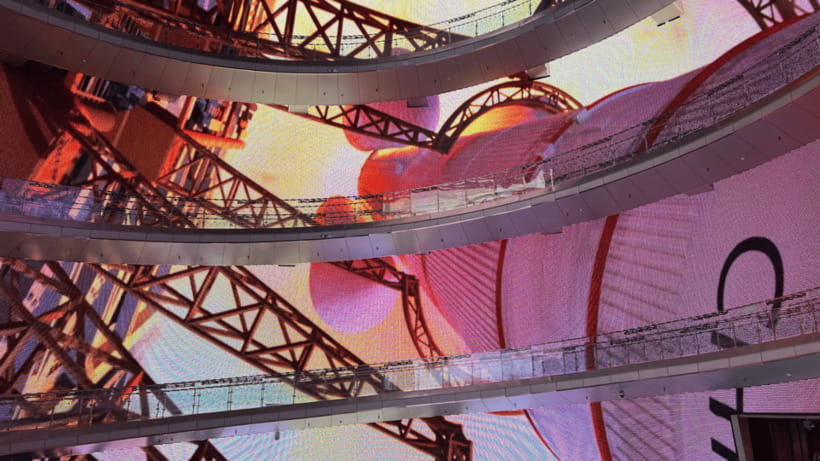
The biggest practical concern is the amount of Mandarin used in the museum. One visitor described the museum as very large and interesting but noted that the information was all in Chinese. Another gave the same warning, saying the descriptions were only in Mandarin.
That does not make the museum unsuitable for English speakers, but it changes how you should plan. The reservation includes an English textual and visual guide, which should help you understand key displays. It is not the same as having a live English-speaking guide walking beside you, though.
If you care deeply about detailed explanations, the absence of a live guide is a real limitation. If you are comfortable using visual material, translated notes, and a slower self-guided visit, the museum remains a good value. I would download or save the English guide before entering, so you are not trying to solve the language problem while standing at the entrance.
The contrast between the impressive displays and the Mandarin-heavy labeling is worth keeping in mind. You may find the visual side easy to enjoy, while the finer historical details take more effort.
Same city, a completely different day:
- From Beijing: Mutianyu Great Wall Tours with Options
★ 4.9 · 9,216 reviews - Beijing: Forbidden City Tour(Group/Private)-Tickets Included
★ 4.8 · 7,974 reviews - Beijing: T-Square & Forbidden City Group or Private Tour
★ 4.8 · 4,446 reviews - All-Inclusive Tour: Tiananmen Square, Forbidden City, Great Wall
★ 5.0 · 2,873 reviews
Six cinemas, including an IMAX GT hall
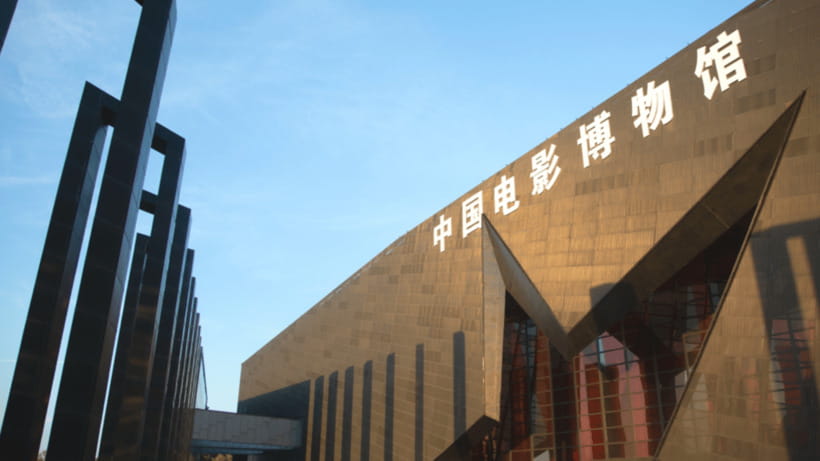
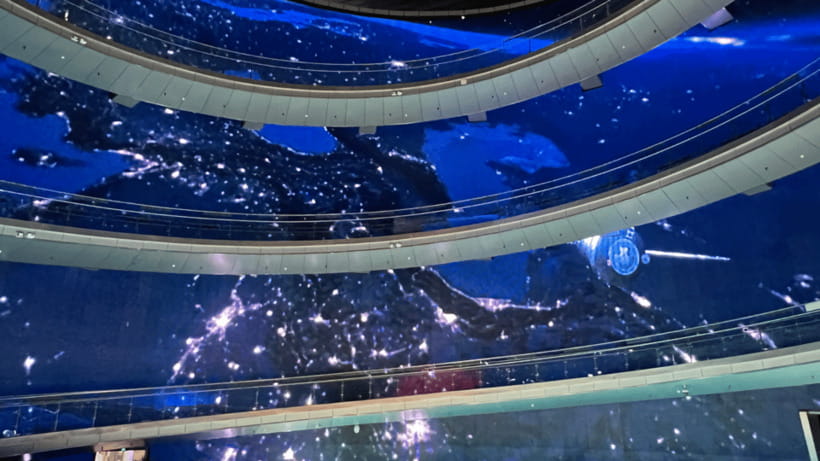
The China National Film Museum has six movie halls, including an IMAX GT hall. Together, they can accommodate more than 1,000 people.
These cinemas add an important second side to the museum. The exhibitions explain the history and craft of film, while the movie halls show cinema as a viewing experience. If a screening is available during your visit, it could give the museum a stronger finish.
Movie tickets are not included in the entry reservation, so you need to budget separately for a screening. The supplied information does not give a schedule or screening prices. Check availability before you go if watching a film is a major reason for your visit.
Do not assume that admission includes a movie simply because the building contains cinemas. Your reservation covers entry to the museum, not paid screenings.
A surprising extra for families
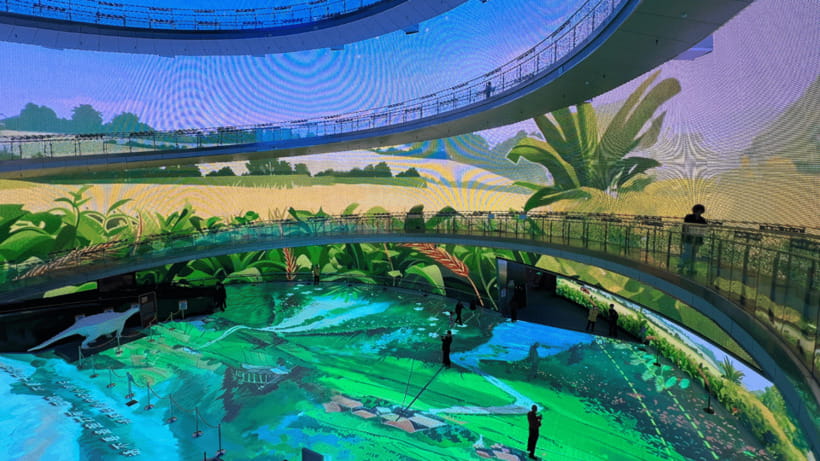
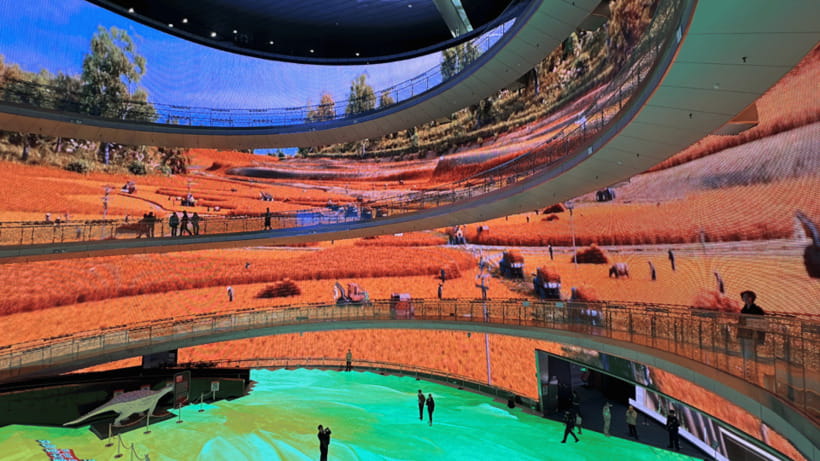
The museum experience may not be limited to film displays. One visitor especially liked entering exhibition areas with dinosaurs. The available information does not explain the dinosaur section in detail, so I would not book the museum solely for that feature, but it is a useful point for families or anyone who wants more than film posters and historical panels.
That comment also suggests the building may contain material that appeals to different interests. Children who are less patient with long text displays may find the more visual areas easier to enjoy. Adults interested in Chinese film can focus on the historical exhibitions, while younger visitors may respond more strongly to large-scale objects and themed displays.
The museum’s size is helpful here, but it can also be tiring. Keep your expectations realistic: two hours gives you a solid visit, not an exhaustive tour of every hall.
What the low price really buys you
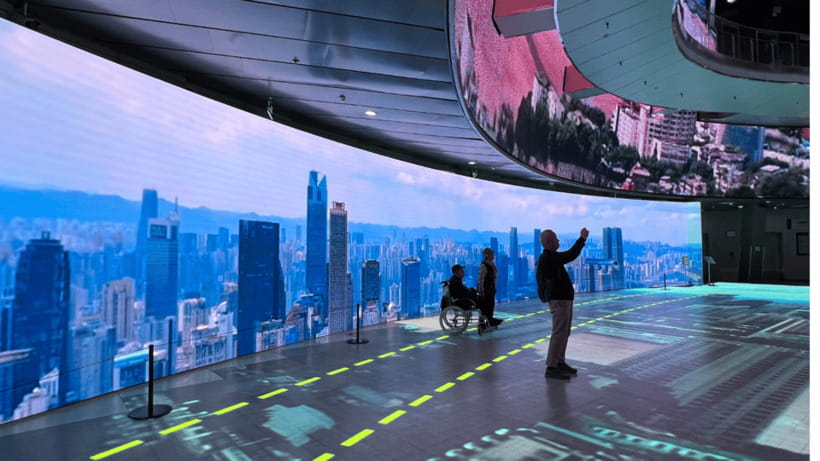
At $4.82 per person, this is an inexpensive cultural stop. The value comes from the scale of the building and the amount of material available, not from personal service.
Your price includes the entry reservation and an English textual and visual guide. It does not include a live guide, personal expenses, or paid movie screenings. For that reason, the admission works best for independent visitors who are happy to set their own pace.
The price is especially attractive if you are already interested in Chinese cinema. You get access to a major institution, multiple floors of exhibitions, and six cinema halls for less than the cost of many entertainment attractions. If your interest in film is limited, the language issue may reduce the value, since you could spend much of the visit looking at displays without understanding every explanation.
I see this as a strong low-cost add-on for a Beijing visit, not necessarily a full-day destination. The two-hour duration is sensible for a first look. You can leave with a broad understanding of Chinese cinema without committing an entire day.
Entering with the right QR code
The entry process requires attention. After booking, you receive an e-ticket by email or WhatsApp. Use the QR code from that message to enter the museum directly.
The QR code shown in the booking app is not your entry ticket. That distinction is important, and it is the easiest way to avoid a frustrating moment at the entrance. Check your email or WhatsApp before setting out, and make sure you can open the separate museum code.
Bring your passport. It is listed as required identification, so do not rely on another document unless you have confirmed that it will be accepted.
Smoking is not allowed. The museum is wheelchair accessible, which makes the large public building easier to manage for visitors with mobility needs.
Who will enjoy this museum most
I would recommend this experience to you if you have an interest in Chinese films, film technology, cultural institutions, or modern Chinese history. You do not need to know a long list of directors before arriving. The chronological displays and film-making material provide a useful starting point.
It also suits families, particularly if the dinosaur-related exhibition areas appeal to your children. The building’s scale gives you room to choose displays rather than forcing everyone to follow one narrow route.
Independent visitors will get the most from it. You can stop when you want, skip dense Mandarin text, and spend more time with visual displays. The reservation is less suitable if you expect a guided tour with detailed explanations in English.
I would also be careful about timing. Since the museum has 21 halls across several floors, a rushed visit may feel incomplete. Two hours is enough for the highlights, but you should not expect to cover every exhibit in detail.
Cancellation and flexible planning
You can cancel up to 24 hours before the visit for a full refund. You can also reserve now and pay later, which is useful if your Beijing schedule is still changing.
The duration is listed as two hours, but you need to check the available starting times before booking. The reservation offers skip-the-ticket-line entry, though you still need to follow the museum’s admission procedure and present the correct QR code.
For a smooth visit, keep your passport with you, save the separate entry code, and allow enough time to move between floors. Those simple steps matter more here than extra planning.
Should you book the China National Film Museum?
Book it if you want an affordable, substantial look at Chinese cinema and are comfortable exploring without a live guide. The museum’s scale, century-long film exhibition, six cinemas, and film-making displays give you far more than a quick photo stop.
Think twice if you need every label in English or want a guided explanation of each room. Mandarin is used heavily, and the included English guide cannot replace a personal guide.
My advice is simple: film fans and culturally curious visitors should give it a place in the Beijing schedule. At $4.82, the risk is low, and the museum offers a broad look at an important part of Chinese culture. Bring your passport, use the QR code sent separately by email or WhatsApp, and set aside about two hours for a focused visit.
FAQ
How long does the China National Film Museum visit take?
The experience is listed as lasting two hours. That is enough for a focused visit, though the museum has 21 exhibition halls across several floors.
What does the admission reservation include?
It includes entry reservation for the China National Film Museum and an English version of the textual and visual guide.
Is a live guide included?
No. There is no live guide. You explore independently with the included English textual and visual guide.
Is there much information in English?
An English textual and visual guide is included, but much of the museum’s written information is in Mandarin. You should expect a Mandarin-heavy visit.
Does the reservation include a movie screening?
No. Paid movie screenings are not included. The museum has six movie halls, including an IMAX GT hall, but screening costs are separate.
What do I need to bring?
Bring your passport. You should also have access to the separate QR code sent by email or WhatsApp for museum entry.
How do I enter the museum?
Use the QR code sent separately after booking by email or WhatsApp. The code in the booking app is not your entry ticket.
New reviews from Beijing
- Mutianyu Wall, Summer Palace & Old Summer Palace Day Tour★ 4.8 · 34 reviews
- Night Market Haggling Adventure with an English Guide!★ 4.8 · 7 reviews
- BusDa-Mutianyu Great Wall&Forbidden City Full-day Coach Tour★ 4.9 · 11 reviews
- Mutianyu Great Wall Ticket with Roundtrip Cable Car★ 5.0 · 20 reviews
- Mutianyu Great Wall Bus Trip+Ticket 7/8/9/10/13/13:30/15:30★ 4.7 · 24 reviews
- Mutianyu Great Wall Entry Ticket Chairlift Up Toboggan Slide★ 4.9 · 8 reviews
- Mutianyu Great Wall 5-KM Guided Hike with Uphill Cable Car★ 4.8 · 16 reviews
- Mutianyu Great Wall Admission Ticket★ 3.6 · 7 reviews
Museums, compared.
Tianmen Square, Forbidden City & Royal Museum Tours
Read our review →
Half-Day Mini Group Xian Tour to Terracotta Warriors Museum
Read our review →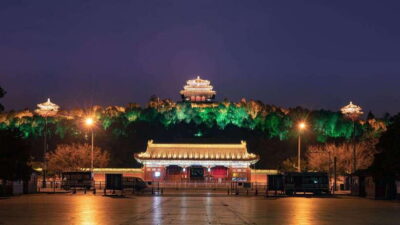
Beijing:Jingshan Park (Palace Museum Garden) Ticket
Read our review →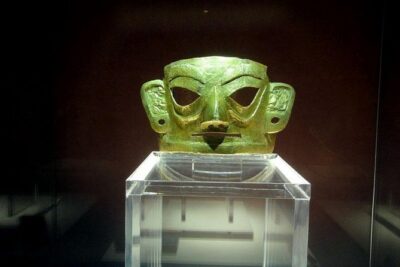
Private Chengdu Day Tour: Giant Pandas and Jinsha Site Museum
Read our review →
Private Xi’an Tour: Terracotta Warriors, Hanyangling Museum, Cave Homes
Read our review →
Beijing Half Day: National Museum of China In-depth Tour with Subway Transfer
Read our review →
Terracotta Warriors Museum Ticket with Professional English-speaking tour guide
Read our review →Browse the lists this tour appears in