
Reviewed · MUSEUMS
Chengdu: Wuhou Shrine Museum From Three Kingdoms Era
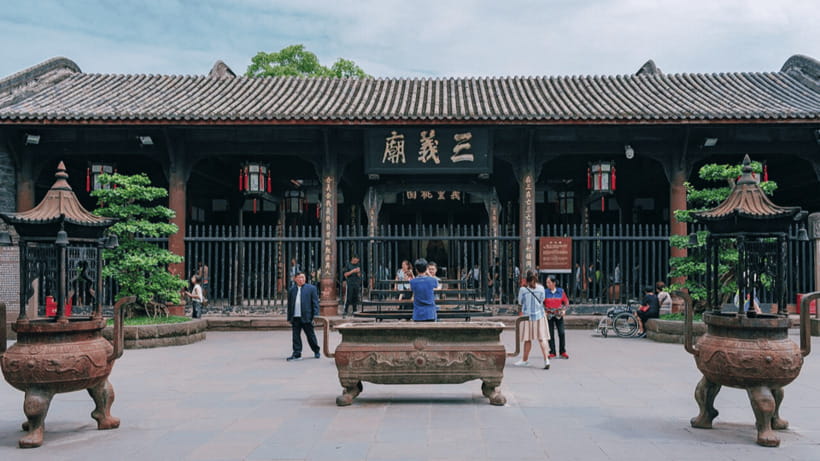
The most memorable part of Wuhou Shrine Museum is its focus on the people behind the Three Kingdoms era, especially Zhuge Liang, the famous Shu Han chancellor, and Liu Bei, the dynasty’s emperor. You move through exhibits, statues, relics, red-walled buildings, and leafy grounds that connect Chengdu with one of China’s best-known historical periods.
I like the clear Shu Han focus, which gives the museum a stronger sense of place than a general history hall. I also like the mix of artifacts and scenic old architecture, so your visit is not just a series of display cases. The main consideration is the booking procedure: you must send your full passport name and passport number, and failure to do so on time can lead to cancellation fees.
Key points
- Zhuge Liang and Liu Bei are the central figures, giving the visit a strong connection to Shu Han history.
- Three Kingdoms exhibitions and historical relics help explain the cultural effect of the period.
- Ancient red-walled buildings and green grounds offer plenty of attractive photo settings.
- Admission costs about $17 per person, with food, souvenirs, and special exhibitions charged separately.
- Free guided services are included, though the available guide language is not specified.
- Passport details are required for booking, and advance booking is especially wise for weekends and holidays.
Why Wuhou Shrine matters in Chengdu
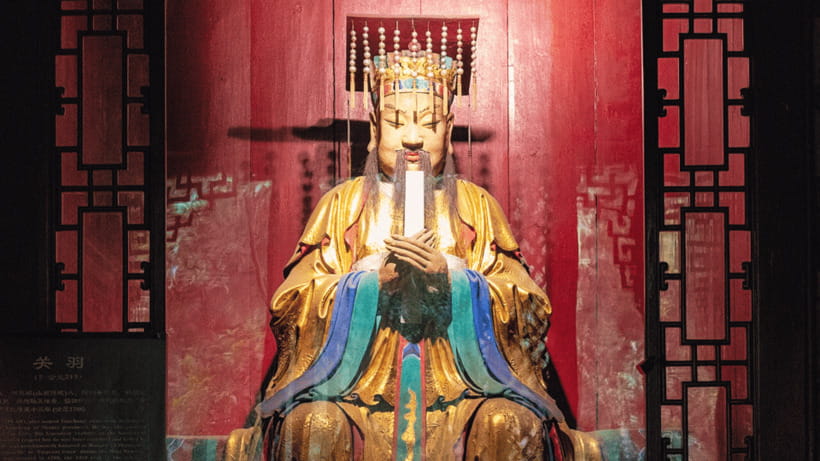
Wuhou Shrine Museum is dedicated to two major figures from the Three Kingdoms era: Zhuge Liang and Liu Bei. Zhuge Liang served as chancellor of Shu Han, while Liu Bei was its emperor. Their association gives the site a direct link to the political and cultural story of Shu Han.
You do not need to be a specialist in ancient Chinese history to enjoy the visit. The museum gives you a physical setting for names that can otherwise feel distant and hard to place. Statues, written displays, relics, and architecture help show how Shu Han shaped the identity of this part of China.
The Three Kingdoms period is especially important in Chinese culture, where its leaders, conflicts, strategies, and loyalties have remained familiar for centuries. At Wuhou Shrine, you are not simply looking at old objects. You are seeing how one dynasty and its leading figures are remembered through buildings, exhibits, and ceremonial spaces.
That focus is useful if you have already read about the Three Kingdoms. It is also a good starting point if you know only the basic names. The museum gives you enough visual material to make the story more concrete, although you may want extra reading if you hope to understand every political detail.
Other museums and galleries in Chengdu:
- Private Chengdu Day Tour: Giant Pandas and Jinsha Site Museum
★ 5.0 · 142 reviews - Chengdu: Sichuan Museum – Cultural and Historical Heritage
★ 5.0 · 3 reviews - Chengdu: Du Fu Thatched Cottage Museum Ticket for Adult
★ 4.2 · 3 reviews
Entering the red-walled museum grounds
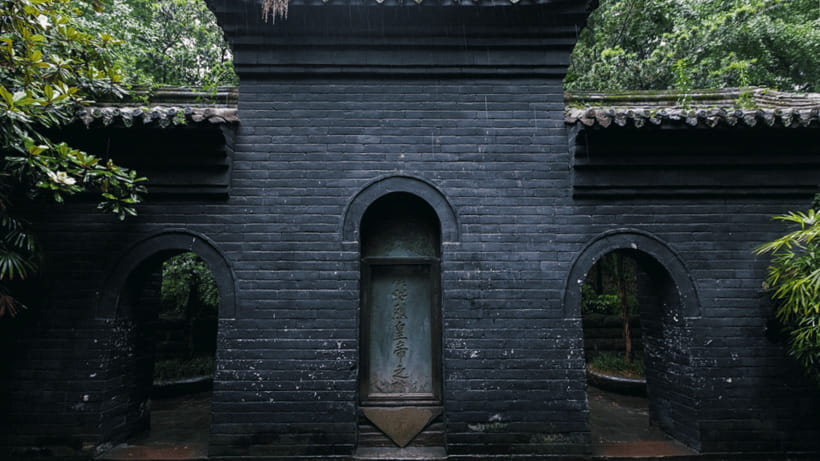
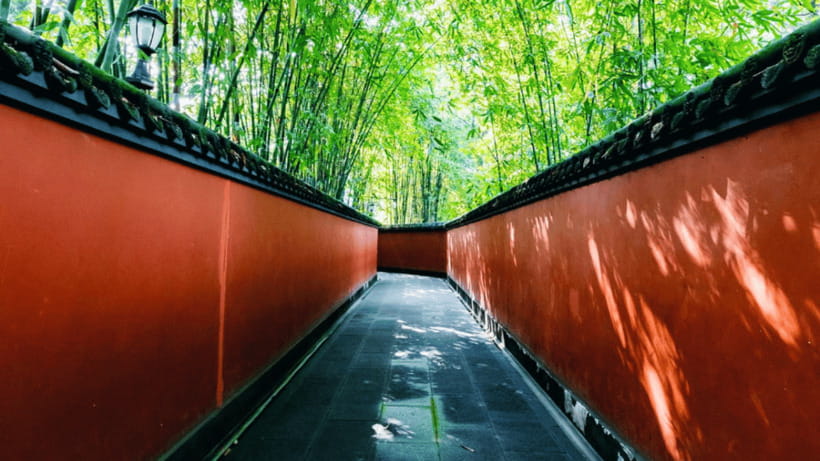
The setting is part of the experience. Wuhou Shrine Museum combines ancient red-walled architecture with leafy outdoor areas, creating a visit that shifts between history and quiet scenery.
The red walls are among the easiest details to appreciate right away. They frame paths and buildings and provide a strong backdrop for photographs. If you enjoy architectural details, give yourself time to notice how the walls, traditional structures, statues, and planted areas work together rather than rushing straight to the displays.
The grounds also make the museum feel less confined than a standard indoor collection. You can pause outdoors between exhibits, take photographs, and consider the setting around the objects. I would plan to wear comfortable shoes because the visit involves moving through museum areas and outdoor spaces during a full day of validity.
The information provided does not specify a fixed route or a set meeting time, so your visit may be best treated as a flexible museum day rather than a tightly timed tour. That is a benefit if you prefer to linger over certain displays. It also means you should not expect a minute-by-minute program.
Zhuge Liang, Liu Bei, and the Shu Han story
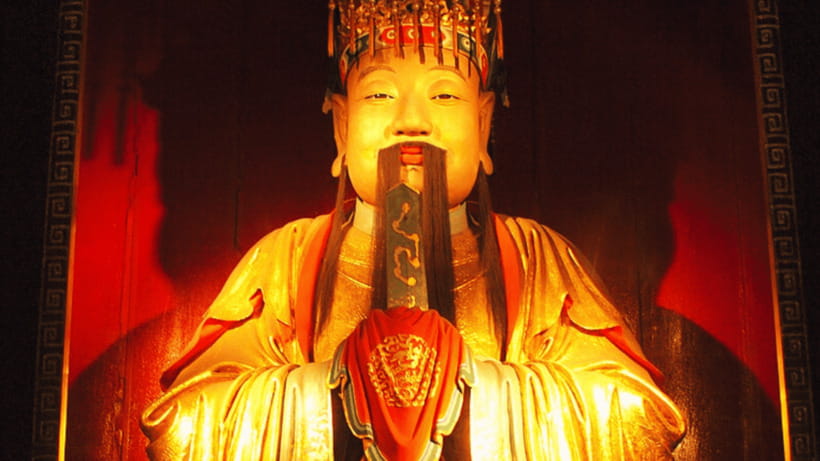
The museum’s two main figures give the visit its emotional and historical center. Zhuge Liang is remembered as the renowned chancellor of Shu Han, while Liu Bei represents the dynasty’s imperial leadership.
As you move through the site, look for the way these figures are presented through statues, historical references, and the surrounding architecture. Their importance is not limited to personal biography. Together, they help explain the values and political ambitions attached to Shu Han.
The museum is particularly worthwhile for anyone interested in how history is preserved through public places. You are not only learning about the Three Kingdoms era from objects. You are also seeing how later generations have honored its leaders and kept its cultural memory in view.
Displays can provide broad context, but they may not answer every question. If you are fascinated by military campaigns, family alliances, or the wider rivalry among Wei, Shu, and Wu, bring your own background reading. The museum’s strength is its connection to Shu Han and Chengdu, not a complete explanation of every event in the Three Kingdoms story.
What the exhibits add to the visit
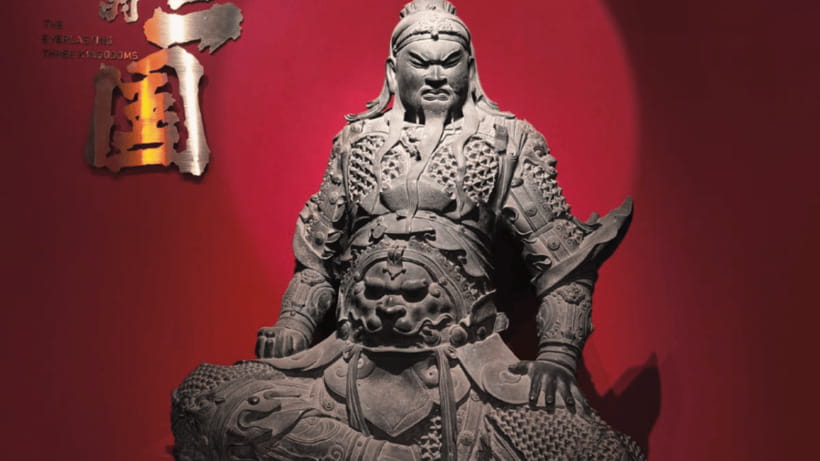
Admission includes access to Three Kingdoms exhibitions, historical relics, ancient architecture, and statues connected with the period. These elements work best together.
A relic on its own can be difficult to understand. Place it beside a statue, a written explanation, or an old building, and it becomes part of a wider story about political power, belief, art, and daily life. The exhibits help show the cultural effect of Shu Han rather than treating the dynasty as a list of rulers and dates.
You may find that some displays appeal more to serious history fans than to casual sightseers. That is normal for a museum tied to a specific era. If you enjoy reading labels and comparing objects, you can spend much longer here than someone who mainly wants photographs.
The included free guided services may help you get more from the exhibits, but the available languages and schedule are not specified. Ask about the service when you arrive or check the details attached to your booking. Do not assume that a particular language or private guide is included.
Same city, a completely different day:
- Chengdu: Giant Panda Breeding Research Base Ticket
★ 4.5 · 580 reviews - Half-Day Chengdu Cooking Class with a Local Market Visit
★ 5.0 · 465 reviews - Tuktuk Food Tour Through Chengdu’s Local Eats
★ 5.0 · 435 reviews - Private Half-Day Chengdu Panda Breeding Center Tour with Optional Volunteer
★ 5.0 · 353 reviews
The best photo opportunities
The museum’s red walls and planted grounds make it easy to combine sightseeing with photography. The architecture gives you bold color and traditional detail, while the greenery softens the scene.
I would bring a camera or make sure your phone has enough battery. The most useful photographs may come from the wider setting rather than from a single object. Frame a red wall with a traditional building, statue, or path, and you can capture the connection between the museum’s history and its physical surroundings.
Photography should not replace the displays, though. The main value of the site is the link between the objects and the people they represent. Take your photos, then spend time reading and looking closely at the historical material.
The provided information does not give specific photography rules. Follow any signs at the museum, particularly around relics and indoor exhibits. Pets are not allowed, so leave animals at home.
Is $17 a fair price?
At about $17 per person, the admission is reasonable if you want a focused history visit in Chengdu. Your ticket covers the Three Kingdoms exhibitions, historical relics, ancient architecture, and free guided services.
The value depends on how you travel. For someone with a strong interest in Chinese history, Shu Han, or the Three Kingdoms, the ticket gives access to a site with a clear cultural purpose. You are paying for more than a single gallery. The architecture, outdoor grounds, statues, and exhibits all form part of the visit.
For a casual sightseeing day, the value is less certain. If you do not enjoy historical displays, you may spend less time reading and may feel that the ticket is less useful. The red walls and grounds add visual appeal, but the museum remains a history-centered attraction.
Food and souvenirs are not included. Special exhibitions may also require an extra payment, so keep a little room in your budget if you want more than the standard admission. The price does not include a meal or shopping allowance.
Planning your visit and booking carefully
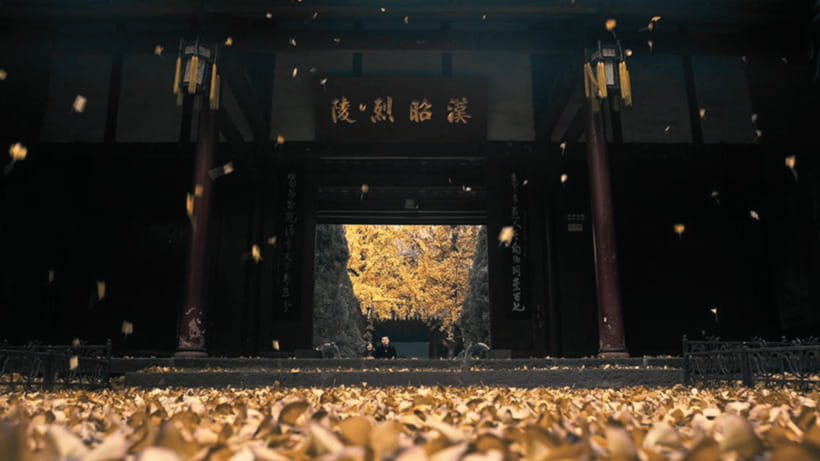
The ticket is valid for one day, and you should check availability for the starting times shown when booking. The experience offers skip-the-ticket-line entry, which can be useful when the museum is busy.
Advance booking is recommended on weekends and public holidays. Seniors over 60 and children under 1.3 meters can enter free without reservation, according to the provided conditions. If you are booking for a mixed group, check which members need paid admission and which can enter free.
The passport requirement deserves special attention. You must send your full name exactly as it appears on your passport, along with your passport number, to complete the booking. The supplied information states that the booking can be canceled and a cancellation fee applied if these details do not arrive on time.
Bring your passport with you. It is listed among the required items, and having the same document used for the booking keeps the process simpler at the entrance. Comfortable shoes and a camera are also recommended.
Free cancellation is available up to 24 hours in advance for a full refund. You can also reserve now and pay later, which helps if your Chengdu schedule is still changing. Read the final booking terms carefully before payment, particularly if you are arranging tickets close to your visit date.
Who will enjoy Wuhou Shrine most?
I would recommend this museum to anyone who likes Chinese history, traditional architecture, or cultural sites with a strong local connection. It is also a good choice if you want a quieter change of pace from Chengdu’s food and city attractions.
The museum suits visitors who enjoy moving between indoor exhibits and outdoor buildings. You can study relics and statues, then step outside for photographs and a change of atmosphere. That balance makes the full-day validity useful, even if you do not spend every available hour at the site.
Families may appreciate the open grounds, but younger children may not have much patience for detailed historical displays. The free admission rule for children under 1.3 meters can make the visit easier to budget, but the museum’s main appeal remains educational and cultural.
You should also consider how much background you want. The museum can introduce you to Shu Han and its leading figures, but it may feel more rewarding if you already know a little about the Three Kingdoms era. A short reading session before your visit can help you recognize the names and understand why Zhuge Liang and Liu Bei matter.
Should you book this Wuhou Shrine experience?
Book it if you want a focused look at Shu Han culture in Chengdu, especially if Zhuge Liang, Liu Bei, or the Three Kingdoms era interests you. The combination of relics, statues, exhibitions, ancient red walls, and leafy grounds gives the visit more range than a basic indoor museum.
Skip it if your ideal day is built around food, shopping, or fast-moving sightseeing with little reading. Also think carefully about the passport requirement. Send your exact details on time, bring your passport, and check the language and timing of the free guided service before you go.
At roughly $17, it is a sensible cultural purchase for history-minded visitors. The strongest reason to book is not simply the admission ticket. It is the chance to see how Chengdu connects its present identity with the Shu Han figures and stories that shaped the city’s place in Chinese history.
FAQ
Where is Wuhou Shrine Museum?
Wuhou Shrine Museum is in Chengdu, in southwestern China.
What historical period does the museum focus on?
The museum focuses on the Three Kingdoms era, with particular attention to the Shu Han Dynasty.
Which historical figures are commemorated at the museum?
The museum is dedicated to Zhuge Liang, the renowned Shu Han chancellor, and Liu Bei, the emperor of Shu Han.
How much does admission cost?
The stated price is $17 per person.
How long is the ticket valid?
The ticket is valid for one day.
What does admission include?
Admission includes access to the Three Kingdoms exhibitions, historical relics, ancient architecture, and free guided services.
Are food and souvenirs included?
No. Food and souvenirs are not included. Special exhibitions may also involve additional fees.
Do I need to bring my passport?
Yes. You should bring your passport, and you must provide your full passport name and passport number to complete the booking.
Can seniors and children enter free?
Seniors over 60 and children under 1.3 meters can enter free without a reservation.
Can I cancel for a refund?
Yes. You can cancel up to 24 hours in advance for a full refund, according to the stated cancellation terms.
New reviews from Chengdu
- Sichuan: Big Panda Volunteer Day tour★ 4.4 · 10 reviews
- Mount Qingcheng Tour: Explore Serene and Sacred Taoist Site★ 5.0 · 12 reviews
- Leshan Buddha boat and food half day trip★ 3.1 · 3 reviews
- Leshan Giant Buddha Tour: Discover Ancient Stone Masterpiece★ 4.3 · 3 reviews
- Leshan Giant Buddha & Huanglongxi/Buddha Temple Day Trip★ 5.0 · 18 reviews
- Jiuzhai Valley National Park:Visit Colorful Fairy Tale World★ 5.0 · 3 reviews
- Jinsha&Sanxingdui archaeological site private day tour★ 4.8 · 4 reviews
- Huanglong Scenic Area: Explore Stunning Five-Colored Ponds★ 5.0 · 6 reviews
Museums, compared.
Tianmen Square, Forbidden City & Royal Museum Tours
Read our review →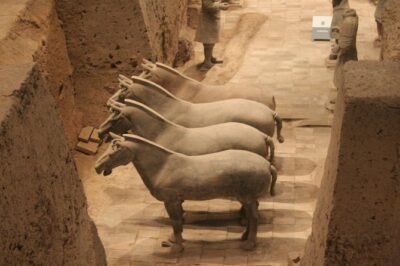
Half-Day Mini Group Xian Tour to Terracotta Warriors Museum
Read our review →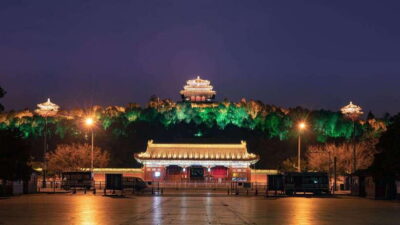
Beijing:Jingshan Park (Palace Museum Garden) Ticket
Read our review →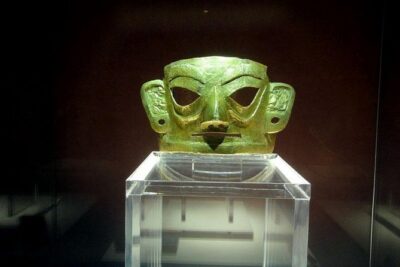
Private Chengdu Day Tour: Giant Pandas and Jinsha Site Museum
Read our review →
Private Xi’an Tour: Terracotta Warriors, Hanyangling Museum, Cave Homes
Read our review →
Beijing Half Day: National Museum of China In-depth Tour with Subway Transfer
Read our review →
Terracotta Warriors Museum Ticket with Professional English-speaking tour guide
Read our review →Browse the lists this tour appears in