
Reviewed · TERRACOTTA WARRIORS TOURS
Terracotta Tickets With Professional Guide In English / Italian
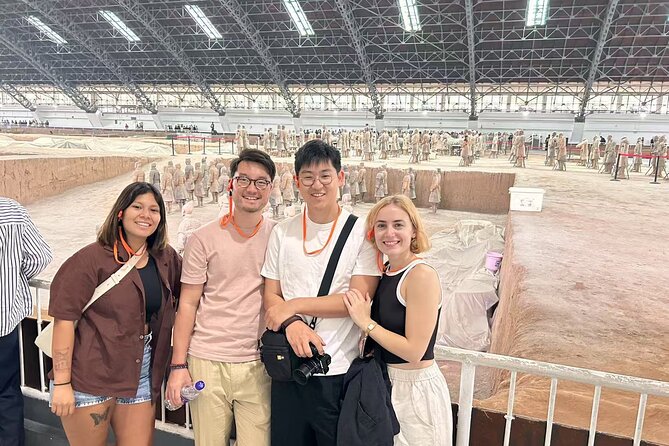
The Terracotta Army is one of those places where scale matters. Pit 1 holds more than 6,000 life-sized warriors and horses, lined up in battle formation. With guide Jenny, you get help finding the best viewing points and a clear explanation of what you are seeing, rather than simply peering into a huge hall of clay figures.
I like the private format, since your group can move at its own pace. I also like the choice of English or Italian, along with Jenny’s practical help, including short cuts and strong photo positions. The main drawback is that the six-hour experience does not include admission to the First Qin Emperor’s mausoleum area, so you need to budget for that extra ticket.
Key points to know before you book

- Three major excavation pits: See the huge army in Pit 1, mixed military units in Pit 2, and the smaller command area in Pit 3.
- English or Italian guidance: Jenny leads the visit in either language and explains the army, Qin Shi Huang, and ancient production methods.
- Private activity: Only your own group takes part, making it easier to ask questions and adjust the pace.
- Bronze chariots included in the route: The mausoleum section has two highly detailed bronze chariots and horses, but its admission ticket is extra.
- Best for first-time visitors: The guide helps you understand the site and find useful places for photographs.
- Free cancellation: Cancel at least 24 hours before the start time for a full refund.
Why a guide helps at the Terracotta Army
The Terracotta Army can be impressive and confusing at the same time. You enter a vast museum complex and face ranks of clay soldiers, broken figures, excavation equipment, glass displays, and a steady flow of people. Without context, it is easy to notice only the size of Pit 1 and miss the military plan behind it.
A good guide gives the figures a role. You learn why Pit 2 is different from Pit 1, what Pit 3 may have been used for, and why the arrangement of soldiers matters. The explanations also bring attention to small details, such as the different positions of archers, cavalry units, officers, and horses.
Jenny’s role is both historical and practical. She speaks English and Italian, points out useful viewing locations, and uses shorter routes around the museum when possible. That matters at a site where a few minutes spent in the wrong place can leave you behind a crowd or facing the pits from a poor angle.
The private setup is another plus. You are not tied to a large group or a fixed commentary pace. If you want to ask about the emperor, the excavation work, or the figures’ construction, you can do so directly. The available information describes this as a private activity, with only your group participating.
Other ways to see the warriors from Xi'an:
- Mini Group Xian Day Tour to Terracotta Army, City Wall, Pagoda and Muslim Bazaar
★ 5.0 · 1,320 reviews - Xi’an: Terracotta Army Mini Group or Private Tour
★ 5.0 · 926 reviews - Xian: Terracotta Army Ticket & Guided Bus Tour with Options
★ 4.6 · 579 reviews
Starting at the museum ticket office
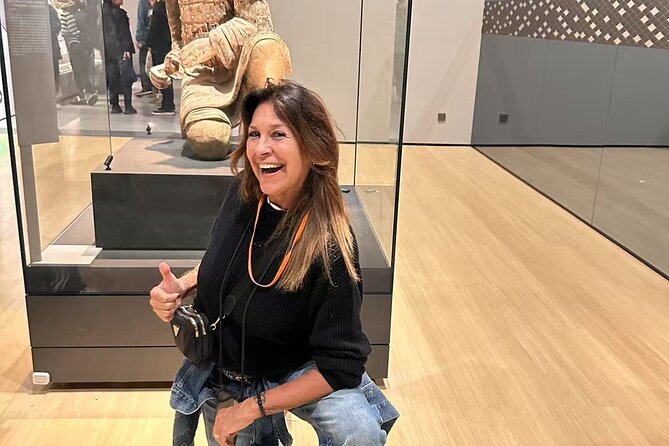
The meeting point is the ticket office inside the Museum of the Terracotta Warriors and Horses of Qin Shihuang. The address is in Lintong District, Xi’an, on Qinling North Road. You should allow time to reach the museum before the scheduled start, since the meeting point is at the attraction rather than at a hotel or central city landmark.
The experience uses a mobile ticket, which is useful when you are arranging several parts of a China trip. Confirmation is provided at booking. The supplied details do not include hotel pickup or private transportation, so you should not assume either is part of the price.
The listed duration is about six hours. The main museum visit is allocated about two hours, followed by about two hours at the mausoleum area. The remaining time gives the tour room for entry, walking between sections, explanations, and a less hurried pace.
Opening information lists Monday through Saturday hours from 6:00 AM to 11:30 PM for the stated operating period. That is a broad opening window, not a promise that every tour starts at any hour. Check the selected booking time carefully.
Pit 1: the huge army in battle formation
Pit 1 is the emotional center of the visit. It is the largest excavation pit and contains more than 6,000 life-sized terracotta warriors and horses. The figures are arranged in military formation, creating a powerful sense of order even when you are viewing them from a raised walkway.
The first impression is scale. Then the small details begin to register: faces, clothing, weapons, hair, horses, and the careful treatment of hands and fingers. The army was made more than 2,000 years ago, yet the figures do not look like identical copies. Your guide can help you notice those differences instead of treating the pit as one enormous mass of clay.
This is also where a guide earns the admission fee. The view is easy to understand at a basic level, but the meaning of the rows and the placement of the units are not obvious. Jenny’s explanations help turn a dramatic sight into a military and political story connected to Qin Shi Huang.
Plan to spend real time here. You may want photographs, but the pit rewards slow looking. Your guide can point out the best places to stand for a broad view and for closer details. Keep in mind that the popular viewpoints can be busy, so practical positioning is useful.
Pit 2: archers, cavalry, and mixed units

Pit 2 is smaller and more varied. Instead of one dominant mass of infantry, it reveals a more complex military arrangement with cavalry, chariots, archers, and infantry units. That variety makes it especially useful for understanding how the Qin army may have been organized.
The kneeling archer is one of the most recognizable figures associated with the site. This section includes some of the best-preserved and most iconic figures, so it is worth asking your guide to identify them clearly. The kneeling position, equipment, and stance give you a closer sense of how the army was meant to function.
Pit 2 also shows why the Terracotta Army is more than a single spectacular hall. Each pit adds a different piece to the plan. Pit 1 gives you mass and formation. Pit 2 gives you military variety. Together, they make the site easier to read.
If you have limited time, a guide can help you avoid lingering too long in one section. Several people who have used Jenny’s service describe her as energetic, calm, and good at keeping a visit moving without making it feel rushed. That balance matters in a museum where there is a lot to see but only so much attention to give it.
A few more days out in Xi'an worth the ticket
- Terracotta Army Ticket
★ 5.0 · 334 reviews - Xian Terra Cotta Warriors Ticket Only
★ 4.6 · 268 reviews - Xi’an Terracotta Army Entry Ticket Booking – with Guide Option
★ 4.5 · 122 reviews - Xi’an: Xi’an City Wall South Gate(Yongningmen) Entry Ticket
★ 3.8 · 87 reviews
Pit 3: the command area

Pit 3 is the smallest of the three main pits. It is believed to have been a high-ranking command post, with officers and a ceremonial chariot. Its size may feel modest after Pit 1, but its proposed role makes it important.
Here, the point is not the number of figures. It is the structure of the army. The presence of officers and a command setting helps explain how the larger formations may have been directed.
This is an easy section to pass through quickly, especially after the scale of the first pit. I would resist that temptation. Ask your guide to explain why archaeologists connect Pit 3 with command and how it differs from the fighting units elsewhere.
The three pits work best as a sequence. You first see the army at full scale, then its different military branches, then a possible command center. A guide helps you connect those parts rather than treating them as three unrelated displays.
Ancient techniques and the human details
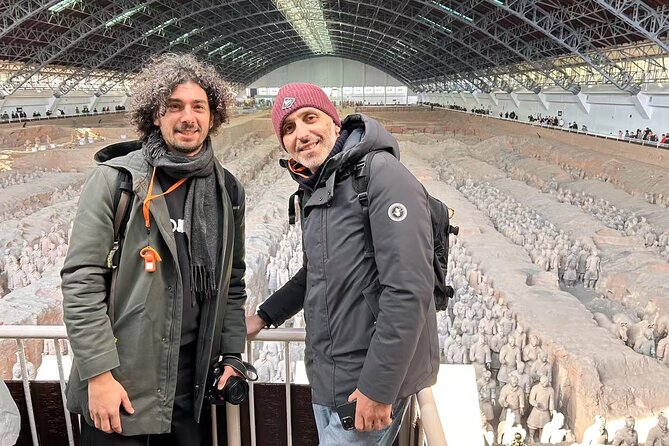
The experience also focuses on ancient techniques used more than 2,000 years ago. The figures are striking because they combine mass production with individual details. Even when the soldiers were created for a single imperial project, their clothing, poses, and facial features can appear distinct.
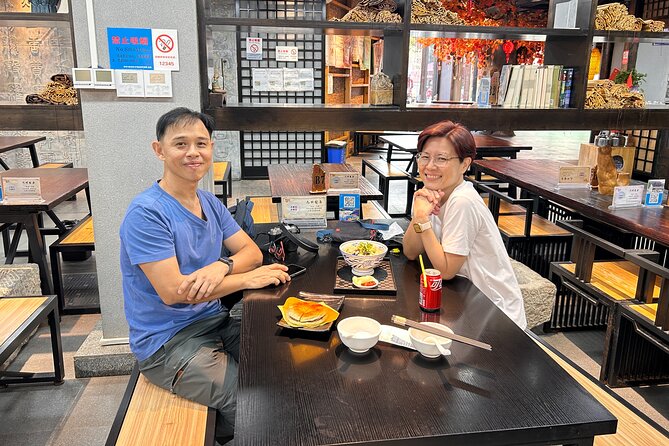
The supplied tour description also mentions the chance to make your own terracotta finger and taste local food such as Biangbiang noodles and drinks after the museum. Treat these as possible additions to the arranged visit rather than guaranteed features unless they are clearly included when you book.
Biangbiang noodles are associated with Shaanxi cuisine and are known for their broad shape. Trying a local dish can make the visit feel connected to Xi’an rather than sealed inside an archaeological site. Still, the confirmed core of the activity is the guided museum and mausoleum route, so check the exact inclusions for food and the terracotta-making activity.
The mausoleum and the bronze chariots

The second major stop is the Mausoleum of the First Qin Emperor. The actual tomb mound remains unexcavated and sealed. You can view its exterior, covered with vegetation, and walk around the surrounding park-like area, but you do not enter the tomb.
That limitation is important. Popular stories describe underground palaces and treasures, but this tour does not take you inside the burial chamber. The value here is seeing the mound connected with Qin Shi Huang and hearing how the preserved site fits into the wider imperial complex.
The highlight of this section is the exhibition hall with two bronze chariots and horses. Each is about half life-size and is drawn by four bronze horses. Their fine construction makes them a strong contrast to the larger clay army.
The bronze vehicles show another side of Qin craftsmanship. Pit 1 overwhelms you with numbers. The chariots reward close attention to metalwork, proportion, and small parts. If you prefer objects you can examine at close range, this section may become one of your favorites.
Admission to the mausoleum stop is not included in the listed price. That is the clearest cost issue to consider. You receive a guided route through both parts, but you must pay the additional entrance charge for this section. Ask about the current amount when arranging your visit, since the provided details do not state it.
What the $47.20 price really covers
At $47.20 per person, the price is not simply an entrance ticket. It pays for a private guided experience in English or Italian, help with the attraction entry process, and interpretation across the main museum and mausoleum areas. The value is strongest if you would otherwise struggle with local booking systems, language, or the layout of the site.
China attraction bookings can be difficult without a local identification document and payment method. The service is designed to reduce that problem and help you avoid long waits through advance arrangements and guided access. The exact entry terms should still be checked at booking, since the mausoleum ticket is listed separately.
For a solo visitor, the price may feel high compared with walking through the museum without a guide. For two or more people sharing a private activity, the cost becomes easier to justify, especially if you place a high value on clear explanations and efficient movement.
I would also count the time saved. A poorly planned visit can involve finding the right ticket office, working out the museum route, and missing key details. A guide cannot make every queue disappear, but Jenny’s use of short cuts and her advice on where to stand can make the six-hour schedule more productive.
Who will get the most from this tour
This experience suits a first visit to Xi’an, especially if you want the site explained in English or Italian. It is also a good match for anyone who dislikes handling complicated attraction bookings alone.
History fans will appreciate the focus on Qin Shi Huang, military formations, ancient techniques, and the bronze chariots. Families and mixed-age groups may like the private format because the pace can be adjusted more easily than on a large group tour.
It also suits visitors working with a tight schedule. The guide can focus attention on the most important and visually impressive parts, rather than leaving you to work out the priorities inside a huge complex.
You should think twice if you want hotel pickup, transport, or a fully inclusive ticket package. Those services are not specified here. You should also be comfortable meeting at the museum ticket office and paying separately for the mausoleum admission.
Practical details that matter
The activity ends back at the meeting point. It is near public transportation, and service animals are allowed. The supplied information says most people can participate, but it does not provide a detailed mobility assessment of every path, stair, or walking distance.
You receive confirmation at booking, and the mobile ticket makes it easier to keep the booking on your phone. The activity is listed for Monday through Saturday during the stated operating period.
Cancellation is flexible up to a point. You receive a full refund if you cancel at least 24 hours before the local start time. Within 24 hours, refunds are not available, and changes are not accepted.
The listed recommendation rate is 99 percent, with a five-star rating based on 85 reviews. The strongest praise centers on Jenny’s clear English, Italian ability, historical explanations, warm manner, and practical help with routes and photo spots. One especially useful detail is her willingness to help with bags, which can matter when you are visiting with an older family member or carrying gear.
Should you book the Terracotta Warriors tour?
Book it if you want the Terracotta Army to make sense, not just look impressive. The private format, English or Italian guide, and help with viewing positions are the main reasons to choose it. Jenny’s role appears particularly useful for first-time visitors who want history explained without losing half the day to confusion.
The price is fair if you value guidance and easier entry arrangements, but remember that the mausoleum admission is extra. If you already have a local booking method, speak the local language, and prefer to explore alone, you may not need this service.
For most first-time visitors to Xi’an, I would choose the guided option. The soldiers are worth seeing on their own, but the formations, command structure, bronze chariots, and Qin story give the visit its real meaning.
FAQ
Where does the tour start?
The tour starts at the ticket office inside the Museum of the Terracotta Warriors and Horses of Qin Shihuang in Lintong District, Xi’an.
Where does the activity end?
The activity ends back at the meeting point.
How long does the tour last?
The total duration is about six hours.
Is the tour available in English?
Yes. The experience is offered with a professional guide in English or Italian. Jenny is identified as an English and Italian-speaking guide.
Is this a private tour?
Yes. Only your own group participates in the activity.
What is included at the Terracotta Warriors museum?
The tour includes admission to the main Terracotta Warriors museum stop, with its three principal excavation pits, according to the supplied itinerary.
Is admission to the mausoleum included?
No. Admission to the Mausoleum of the First Qin Emperor is not included in the listed price.
Can I see the First Qin Emperor’s actual tomb?
You can view the exterior tomb mound and walk around the surrounding area. The interior tomb remains sealed and is not open to visitors.
What is the cancellation policy?
You can cancel for a full refund up to 24 hours before the experience start time. Cancellations or changes made within 24 hours are not accepted and are not refunded.
New reviews from Xi'an
- Mini Group English Guided Terracotta Warriors Tour★ 3.8 · 9 reviews
- From Beijing or Shanghai: Xi’an Terracotta Warriors Day Trip★ 5.0 · 3 reviews
- Customized Private Day Tour of Terracotta Army and Xi’an★ 5.0 · 12 reviews
- Xi’an: Terra-Cotta Warriors Entry with Optional Guide★ 4.0 · 18 reviews
- Authentic Old Xi’an Back Alley Food Tour★ 5.0 · 18 reviews
- 1 Day Beijing to Xi’an Terracotta Warriors Tour by Air★ 5.0 · 5 reviews
- 2-Day Highlights Xi’an Private Tour Combo Package: Terracotta Warriors and City Sightseeing★ 5.0 · 11 reviews
- Authentic Old Xi’an Back Alley Food Tour★ 5.0 · 43 reviews
Terracotta Warriors Tours, compared.
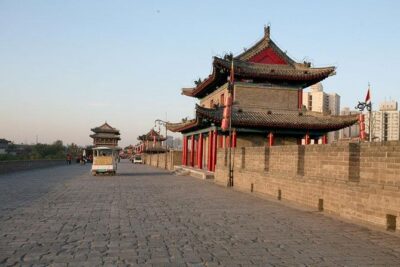
Mini Group Xian Day Tour to Terracotta Army, City Wall, Pagoda and Muslim Bazaar
Read our review →
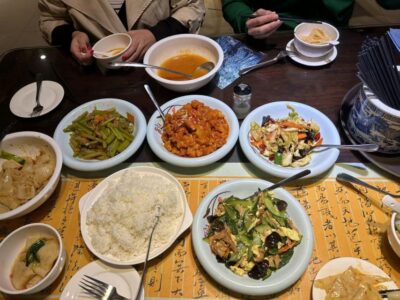
Terracotta Army Ticket & Guided Bus Tour with Options
Read our review →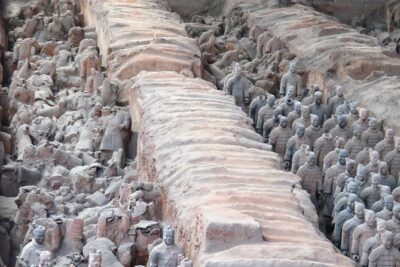
Customized Private Day Tour of Terracotta Warriors and Xi’an
Read our review →
Exclusive Terracotta Army Tour & Local Family Lunch
Read our review →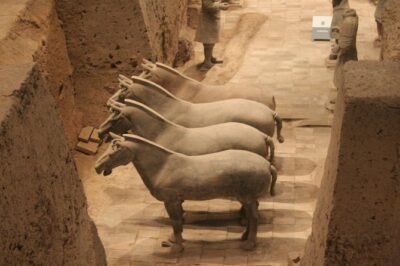
Half-Day Mini Group Xian Tour to Terracotta Warriors Museum
Read our review →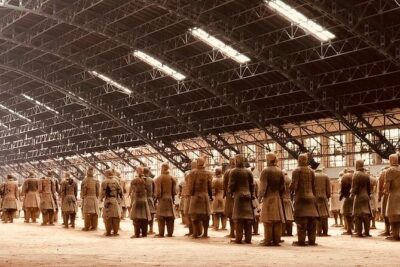

Private Customizable Terracotta Warriors Day Tour with Options
Read our review →Browse the lists this tour appears in