
Reviewed · TOURS IN XI'AN
8-Day Small-Group China Tour to Beijing, Xi’an and Shanghai
China’s great imperial sights come quickly on this eight-day small-group tour. You’ll walk through the Forbidden City, reach the Great Wall at Mutianyu, face the Terracotta Army in Xi’an, and finish with Shanghai’s old gardens and futuristic skyline.
I like the small maximum of 18 people, which should make transfers and guide time easier than on a large coach tour. I also like the broad mix of included services: hotels, entrance fees, domestic transport, seven breakfasts, three lunches, and a dinner are built into the $1,619 price.
The main caution is pace. You cover three major cities in eight days, with long sightseeing days and two intercity moves. Also, the published details describe a high-speed train from Beijing to Xi’an but separately mention airfare for the Beijing to Xi’an and Xi’an to Shanghai segments, so confirm the exact transport plan before paying.
Key points to know before booking
- Mutianyu is the Great Wall day: A round-trip cable car is arranged, leaving you time to enjoy the wall rather than spend the whole visit on the climb.
- The group is capped at 18 people: That is small enough for easier head counts, hotel transfers, and questions for your guide.
- Xi’an brings the strongest history lesson: The Terracotta Army, Big Wild Goose Pagoda, city wall, Muslim Quarter, and Tang Dynasty show fill two full days.
- Shanghai mixes old and new: You’ll see the Shanghai Museum, Yu Garden, the Bund, Shanghai Tower views, and a Huangpu River cruise.
- Shopping stops are excluded: The tour specifically avoids factory stores, tea ceremonies, shopping detours, and shopping-site restaurants.
- Guides can make a real difference: Candy in Beijing, Tracy in Xi’an, and Emily as a responsive trip contact are praised for clear help and quick problem solving.
Three Chinese cities in eight carefully packed days
This tour gives you a useful first look at China rather than asking you to spend a week in one city. Beijing supplies imperial power and major monuments. Xi’an adds ancient military history and Tang-era culture. Shanghai closes the trip with museums, gardens, colonial-era buildings, and modern towers.
I like that the program does not pad the schedule with compulsory shopping. You spend your limited time at named sights, local neighborhoods, performances, and food areas. That matters in China, where travel between major attractions can already eat up part of the day.
The tradeoff is that you will not have much free time. The days are built around set visits, and the move from Beijing to Xi’an, followed by a flight to Shanghai, means you should pack light and keep your expectations practical. This is a highlights tour, not a slow study of each city.
What else travellers book in Xi'an:
- Mini Group Xian Day Tour to Terracotta Army, City Wall, Pagoda and Muslim Bazaar
★ 5.0 · 1,320 reviews - Xi’an: Terracotta Army Mini Group or Private Tour
★ 5.0 · 926 reviews - Xi’an Evening Food Tour by TukTuk
★ 5.0 · 715 reviews
Arrival in Beijing and a smooth first night
On the first day, a guide meets you at Beijing International Airport after baggage claim and customs. A driver takes you to the hotel and helps with check-in. The listed airport transfer lasts about 30 minutes, though the actual time depends on traffic and your arrival terminal.
The stated meeting point is Beijing Capital Airport, with an evening start time of 8:00 p.m. Make sure your arrival fits that arrangement. Because the tour requires at least two people per booking, solo visitors need to ask about the compulsory single-room supplement rather than assuming a shared room will be arranged.
Seven hotel breakfasts are included. Rooms are based on twin sharing, so couples and friends get the clearest value from the listed price. A solo traveler should budget for the extra room charge.
Beijing’s imperial center on Day 2
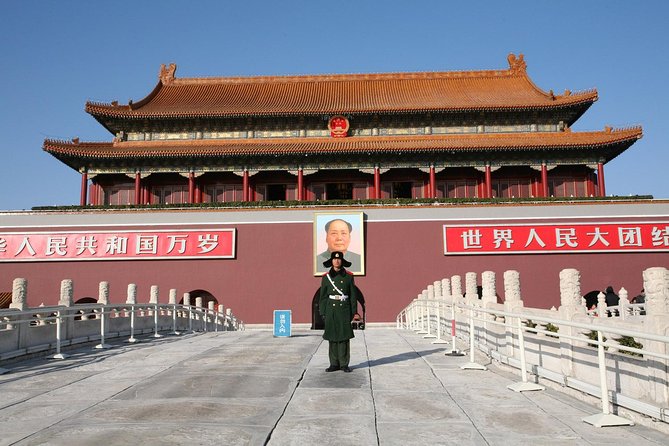
The second day begins at Tiananmen Square, where you get a brief look at one of the world’s largest urban squares. The scheduled visit lasts about 30 minutes, so think of it as an introduction before the main stop rather than a long guided exploration.
From there, you enter the Palace Museum, better known as the Forbidden City. Three hours gives you enough time to see major halls and courtyards and to understand how the imperial court operated. Your guide’s explanation is especially useful here because the complex can otherwise feel like a long series of gates and buildings.
I like the structure of this morning. Tiananmen Square sets the political and ceremonial context, while the Forbidden City gives you the architectural detail. Wear comfortable shoes and expect plenty of walking across broad paved spaces.
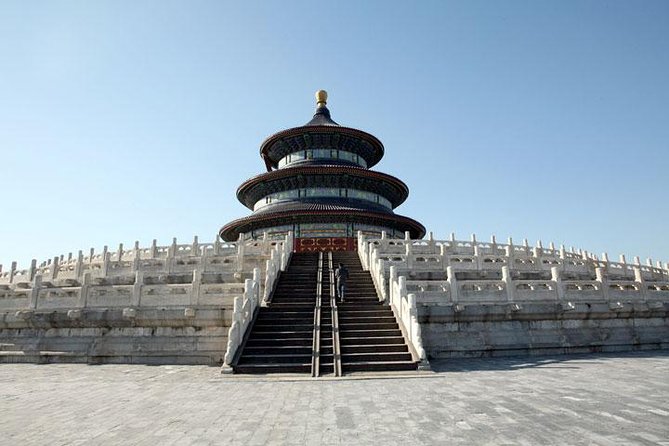
The Temple of Heaven follows, with about 90 minutes scheduled. Its design reflects the old imperial rituals connected with heaven and good harvests. It is a different kind of sight from the Forbidden City, with religious purpose shaping the buildings and open grounds.
The evening ends at the Red Theater for a one-hour acrobatic show. This gives you a change of pace after a day of monuments. Dinner is included in the overall package, but the supplied details do not say which evening includes it, so ask your guide when meals are assigned.
Mutianyu, the Bird’s Nest, and Beijing’s hutongs
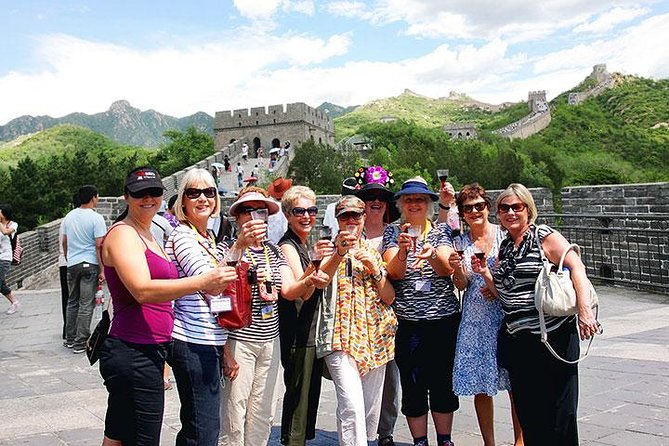
Day 3 is one of the tour’s strongest days. At Mutianyu, you spend about three hours at the Great Wall, with a round-trip cable car arranged. That detail matters because the wall visit involves slopes and uneven surfaces, and the cable car saves energy for the actual walk and views.
Mutianyu is also a sensible choice for a first visit because it places you on a dramatic section of the wall without requiring the entire day to reach and climb it. Still, this is not a flat museum visit. You need steady footing, and the tour is not suitable for wheelchair users.
On the return to central Beijing, you stop for photos at the National Stadium, known as the Bird’s Nest. The stop is only about 10 minutes and admission is not included, so treat it as an exterior photo break rather than a stadium tour.
The afternoon hutong visit shifts attention from imperial buildings to everyday neighborhood life. A rickshaw ride takes you through traditional alleys, followed by a visit with a local family. I like this pairing because it gives you a glimpse of residential Beijing after two days focused on rulers, temples, and grand public spaces.
The hutong portion lasts about an hour, so it will be brief. You should not expect a long neighborhood walk or a full residential tour. Its value is the contrast: narrow lanes and local homes bring the city closer to street level.
Same city, a completely different day:
- Xian: Terracotta Army Ticket & Guided Bus Tour with Options
★ 4.6 · 579 reviews - Customized Private Day Tour of Terracotta Warriors and Xi’an
★ 5.0 · 513 reviews - Xi’an: Exclusive Terracotta Army Tour & Local Family Lunch
★ 4.9 · 484 reviews - Half-Day Mini Group Xian Tour to Terracotta Warriors Museum
★ 5.0 · 467 reviews
The Summer Palace and the move to Xi’an
The Summer Palace receives about three hours on Day 4. It was an imperial retreat with gardens, water, and large ceremonial buildings. After the enclosed courtyards of the Forbidden City, the open setting makes for a welcome change.
After lunch, the schedule sends you onward to Xi’an. Here you should clarify an important transport detail. The daily plan says you take a high-speed train from Beijing Railway Station, with about five hours listed for the journey. The inclusions also describe economy airfare from Beijing to Xi’an and from Xi’an to Shanghai.
Those descriptions do not fully match. Ask the operator to confirm whether your Beijing to Xi’an segment is by train, plane, or a revised arrangement. The difference affects luggage handling, station or airport transfers, and the shape of your day.
Xi’an’s Terracotta Army and Tang-era evening
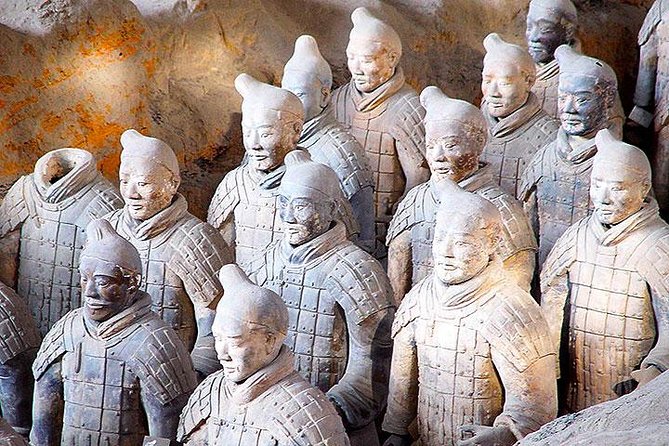
The Terracotta Army occupies about four hours on Day 5, and it deserves that time. Three excavated pits display life-size warrior figures and ancient weapons connected with the first emperor’s burial complex. Your guide can help you understand the arrangement and explain why the figures are one of China’s most important archaeological sights.
This is the day when Xi’an earns its place on the route. The visit is more than a quick photo stop, but the museum area can be tiring because of the size of the halls and the amount of standing. Keep water with you. Two bottles per person per day are listed as included.
The schedule then includes a family visit before the Big Wild Goose Pagoda. The supplied details do not spell out the exact format of the family visit, so view it as a chance for a more personal cultural encounter rather than expecting a specific meal or activity.
The Big Wild Goose Pagoda dates to the Tang Dynasty and was used to store Buddhist scriptures brought from ancient India. About an hour is scheduled here. Its religious connection gives the Xi’an program a wider frame, moving beyond armies and emperors to the movement of ideas and faith across Asia.
That night brings a Tang Dynasty music and dance show lasting about 90 minutes. It is a polished cultural performance and a useful counterpart to the daytime archaeological sites. The theater is not open in January, February, March, or December, and the show is not included in the price during those months. Check your travel dates carefully.
Xi’an city wall, Muslim Quarter, and onward to Shanghai
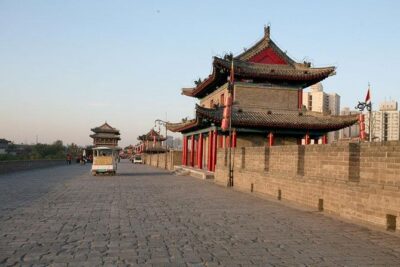
Day 6 begins at the Xi’an City Wall Park, where you have about two hours. The visit focuses on local daily life, and you may have the chance to practice Tai Chi with a master. That slower start balances the more crowded archaeological program from the day before.
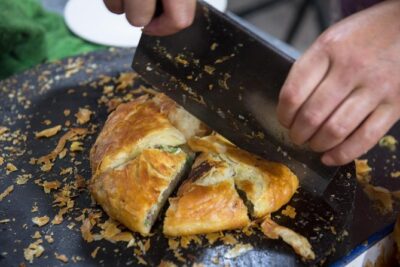
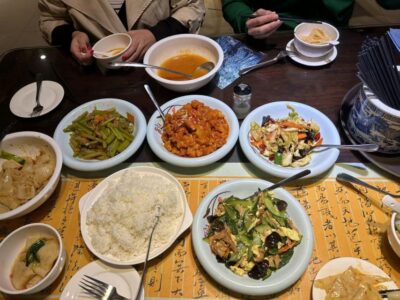
The Muslim Quarter follows with a special lunch and local food tasting. Three lunches are included overall, and this is one of the clearest chances to connect the food budget with a particular place. The stop lasts about an hour, so you will sample the area without having free time for a long food crawl.
In the afternoon, you fly to Shanghai, where a local guide meets you at the airport and transfers you to your hotel. The listed transfer time is about two hours, but airport procedures and city traffic can affect the real schedule.
By this point, the tour has already asked you to absorb a great deal. I would keep Day 6 easy after arrival in Shanghai and save energy for the final full sightseeing day.
Shanghai’s museum, gardens, towers, and river
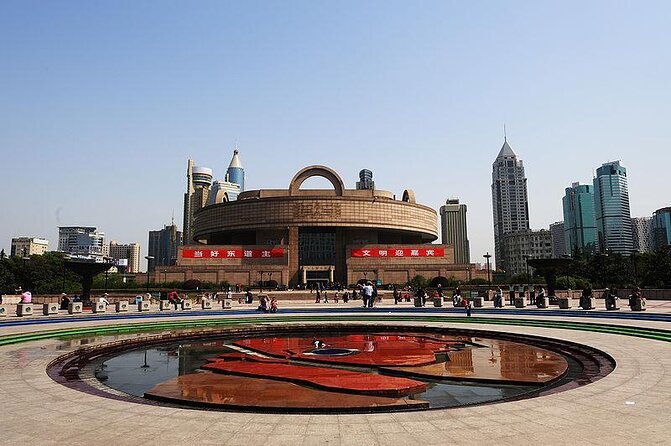
The Shanghai Museum opens Day 7 with a two-hour visit. It specializes in ancient artworks and is counted among China’s major museums. This stop provides useful context before you see the city’s older streets and modern skyline.
Next comes Yu Garden and its traditional bazaar. The garden is known for classical details, including the Nine Zigzag Bridge and the mid-lake pavilion. Two hours gives you time to see the garden and browse the nearby area, though the bazaar can feel busy and commercial compared with the quiet courtyards inside.
You then visit Duo Yun Bookstore on the 52nd floor of Shanghai Tower for a high view of the city before heading to the Bund. The Bund brings colonial-era buildings along the Huangpu River, while the tower offers the modern counterpoint. I like this sequence because Shanghai’s past and present appear almost side by side.
A one-hour Huangpu River cruise finishes the main sightseeing. From the water, you can take in both banks and see how the river frames Shanghai’s identity. The cruise is listed as about two hours in the daily schedule, so confirm whether that longer time includes boarding and transfers.
Nanjing Road is also part of the Shanghai program, offering modern stores and arts-focused shops. The schedule is full, but you should still get a useful first look at Shanghai’s commercial center.
What the $1,619 price really covers
At $1,619 per person, the tour is not simply charging for guided entry to famous monuments. The price includes twin-share hotel accommodation, professional English-speaking guides, air-conditioned vehicles, entrance fees, domestic transport as specified, seven breakfasts, three lunches, and a dinner.
That bundle can be good value if you want one company handling the hard parts of a first China visit. Airport pickups, hotel transfers, attraction tickets, and city-to-city travel are all areas where a language barrier can add friction.
The price is less attractive if you prefer independent wandering, low-cost hotels, or long stretches of free time. You are paying for structure and coordination. Gratuities, visa fees, international flights, personal expenses, excess luggage charges, and the final Shanghai airport transfer are extra.
The airport drop-off on Day 8 is not included. After breakfast, you make your own way to Shanghai Pudong International Airport. The operator can provide more help on request, but confirm any extra cost before departure.
Guide support and group size
The maximum group size is 18, a useful middle ground. You receive the efficiency of organized transport without the scale of a full-size bus group. The small group should also make it easier to hear explanations and keep together at crowded sites.
Specific guide support has been a strong part of the experience. Candy in Beijing is noted for practical help, including assisting when a family member needed hospital care. Tracy in Xi’an is praised for being helpful and well informed, while Emily is described as a responsive contact who could be reached quickly when problems arose.
Those names may not be your assigned team, so do not book expecting a particular guide. Still, they show the kind of support you should ask for: clear daily instructions, help with transfers, and prompt assistance if a health issue or other problem appears.
Vegetarian food can be arranged if requested at booking. Provide passport name, number, expiry date, and country for every participant. A current valid passport is required on the day of the tour.
Who should choose this tour
I would choose this program if you want to see China’s biggest first-time sights without arranging several hotels, tickets, transfers, and domestic journeys yourself. It suits couples, families, and friends who like a full schedule and want an English-speaking guide in each city.
It is also a strong match for anyone who wants more than monuments. The hutong family visit, Muslim Quarter lunch, Tai Chi opportunity, acrobatic show, Tang Dynasty performance, and Huangpu cruise add local texture to the major sights.
I would hesitate if you need a slow pace, have serious mobility limits, or dislike early starts and long transport days. The tour is not suitable for wheelchair users or people over 80, according to the stated conditions. The non-refundable policy also makes travel insurance worth considering, since changes and cancellations do not receive a refund.
Should you book the eight-day China route?
Book it if your priority is coverage. In eight days, you see the Forbidden City, Temple of Heaven, Mutianyu Great Wall, Summer Palace, Terracotta Army, Big Wild Goose Pagoda, Xi’an City Wall, Yu Garden, the Bund, Shanghai Tower views, and the Huangpu River.
Before booking, confirm two points in writing: the exact Beijing to Xi’an transport, and whether the Tang Dynasty show is operating during your month. If those details work for you, the combination of a small group, no shopping detours, included tickets, and strong guide support makes this a practical first trip to China.
FAQ
What cities does the tour visit?
The tour visits Beijing, Xi’an, and Shanghai. It begins with airport pickup in Beijing and ends with your own transfer to Shanghai Pudong International Airport.
Is airport pickup included?
Beijing airport pickup is included, with a guide meeting you after baggage claim and customs. The Shanghai airport pickup on arrival is also included. The Day 8 transfer from the Shanghai hotel to the airport is not included.
How large is the group?
The maximum group size is 18 people. A minimum of two people per booking is required.
What meals are included?
The package includes seven breakfasts, three lunches, and one dinner. Vegetarian meals are available if you request them when booking.
Is the Great Wall cable car included?
Yes. A round-trip cable car at Mutianyu is arranged, and the entrance fee is included.
Is the Tang Dynasty show available all year?
No. The theater is not open in January, February, March, or December. During those months, the show is not included in the tour price.
New reviews from Xi'an
- Mini Group English Guided Terracotta Warriors Tour★ 3.8 · 9 reviews
- From Beijing or Shanghai: Xi’an Terracotta Warriors Day Trip★ 5.0 · 3 reviews
- Customized Private Day Tour of Terracotta Army and Xi’an★ 5.0 · 12 reviews
- Xi’an: Terra-Cotta Warriors Entry with Optional Guide★ 4.0 · 18 reviews
- Authentic Old Xi’an Back Alley Food Tour★ 5.0 · 18 reviews
- 1 Day Beijing to Xi’an Terracotta Warriors Tour by Air★ 5.0 · 5 reviews
- Xi’an Silk Road: Legend of Camel Bell Show Ticket w/Transfer★ 4.9 · 45 reviews
- Xi’an Highlights Day Tour: Terracotta Warriors and City Sightseeing★ 4.5 · 17 reviews
Tours in Xi'an, compared.
Mini Group Xian Day Tour to Terracotta Army, City Wall, Pagoda and Muslim Bazaar
Read our review →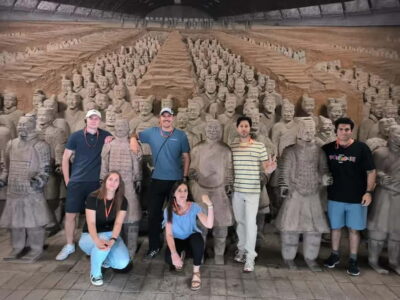
Terracotta Army Ticket & Guided Bus Tour with Options
Read our review →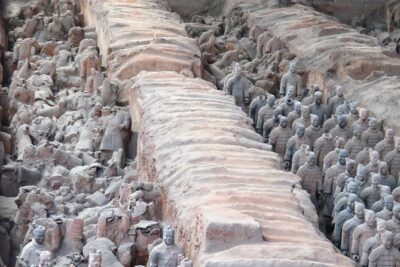
Customized Private Day Tour of Terracotta Warriors and Xi’an
Read our review →
Exclusive Terracotta Army Tour & Local Family Lunch
Read our review →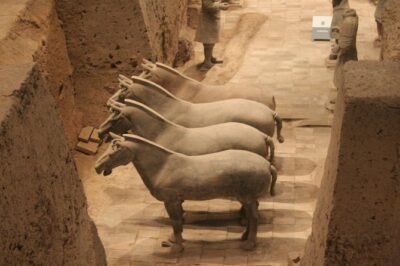
Half-Day Mini Group Xian Tour to Terracotta Warriors Museum
Read our review →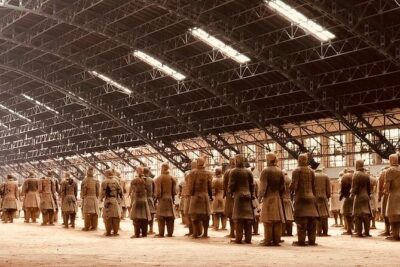
Browse the lists this tour appears in