
Reviewed · TOURS IN HONG KONG
Small-Group Tour: The best bites of Hong Kong Island
Wan Chai is at its best when you follow your appetite down side streets and into places you might pass without noticing. This three-hour walk combines a Hong Kong-style cafe brunch, a traditional wet market, family-run food stalls, the Blue House, and Pak Tai Temple.
I especially like the small group, capped at eight, and the mix of food with neighborhood history. You get four tasting stops, bottled water, and drinks at the cafe, while the guide explains what you are eating and why the area matters.
The main consideration is that this is a walking tour through working food markets, so smells, crowded passages, and wet floors are part of the setting. Vegetarian options are available, but one past guest needed to skip a couple of snacks, so you should share dietary needs when booking.
Key points to know before you book
- The morning starts with a full cafe tasting: Try milk tea or mixed milk tea and coffee, Hong Kong-style French toast, pineapple buns with butter, breakfast sandwiches, and other morning items.
- The wet market is a real working market: Expect fresh meat, poultry, live fish, water on the floor, and strong smells rather than a polished food hall.
- Four food locations keep the tasting varied: The stops include a Cha Chang Teng, three family-run stalls, a bakery, and classic roast meats.
- The group never exceeds eight people: That makes it easier to hear the guide and ask questions in narrow streets and small shops.
- The route adds culture beyond food: You visit the Blue House and Pak Tai Temple, two important Wan Chai landmarks.
- The tour is best for curious eaters: It suits you if you want an introduction to local food and places you may not find on your own.
Why this Wan Chai food walk works
Many Hong Kong food tours focus on a long list of dishes. This one takes a more useful approach: it links what you eat to the streets, businesses, and customs around you.
You meet at Wan Chai MTR station at 10:30am, which is a practical starting point for a morning activity. The tour ends back at the same meeting area, so you do not need to arrange a separate ride across town. Hotel pickup is not included, but the route begins and ends near public transportation.
The small size matters here. With no more than eight people, you are not trailing behind a large crowd while the guide points at a storefront. You can ask about ingredients, ordering habits, and local customs as you move between stops. Guides such as Kenniess have also helped visitors with extra local suggestions after the walk, including where to find the famous villain-hitters associated with Hong Kong folk traditions.
The tour lasts about three hours. That is long enough for a proper introduction to Wan Chai without taking up an entire day. You should still arrive ready to walk, stand, and eat several times in a short period.
What else travellers book in Hong Kong:
- Hong Kong: Dolphin Cruise, Big Buddha & Lantau Island Tour
★ 4.2 · 1,512 reviews - Ngong Ping 360: Cable Car Return Tickets & Combos
★ 4.6 · 1,431 reviews - Lantau Island Day Trip – Big Buddha & Tai O
★ 4.5 · 1,328 reviews
Starting at a Hong Kong-style cafe
The first stop is a Cha Chang Teng, the classic Hong Kong cafe known for quick meals, strong drinks, and a menu shaped by local and Western influences.
This is not simply a coffee break. The brunch sampling can include milk tea or mixed milk tea and coffee, Hong Kong-style French toast, a pineapple bun with fresh butter, breakfast sandwiches, and other morning specialties. The precise dishes may vary, but the point is to try several familiar cafe foods in one sitting.
Milk tea gives you a useful first taste of local cafe culture. It is a standard Hong Kong drink, and the tour gives you a chance to compare it with mixed milk tea and coffee. The French toast and pineapple bun also show how Hong Kong cafes adapted European-style foods into their own casual format.
I like beginning here because it gives you context for the rest of the morning. You start with food that is easy to recognize, then move toward roast meats, pastries, and market ingredients. You also get drinks at the cafe, which are included in the price.
One practical point: this is a tasting tour, not a single large brunch. You will sample several items rather than order a full meal for yourself. If you prefer a very light breakfast, keep that in mind when planning your morning.
Seeing Wan Chai through its wet market
After the cafe, the route moves into a traditional wet market. These markets sell fresh meat, poultry, live fish, and other food for daily cooking. The name comes from the frequent washing of the floors, which helps explain the water underfoot.
You should expect a working market rather than a sightseeing display. It can be wet, fishy, and strong-smelling. That may not suit everyone, but it is also what makes the stop useful. You see where local residents buy ingredients and how fresh food is handled before it reaches a kitchen or restaurant.
This is one of the parts I value most. A plate of roast pork tells you only so much. Seeing the market gives you a better sense of the food system behind the meal. Your guide can also help you understand what you are looking at, which is especially helpful when stalls carry ingredients you do not recognize.
Wear comfortable shoes with good grip. The tour information specifically warns that wet markets involve floor washing, and sensible footwear will make the stop more comfortable. You should also be ready for narrow spaces and the ordinary smells of a fresh-food market.
Three family-run stops for classic Hong Kong bites
The tour then visits three family-run tasting stalls. This is where the morning shifts from cafe food to some of Hong Kong’s most familiar savory and sweet bites.
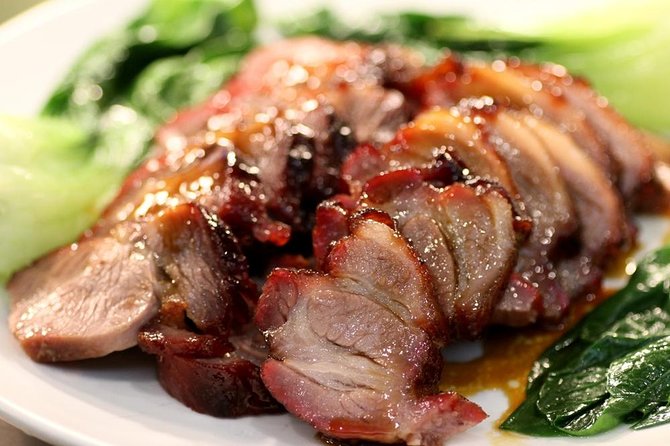
One stop features roast pork belly and barbecue pork. These meats are central to Hong Kong food culture, and tasting them at a small local stall gives you a direct comparison between two different preparations. Roast pork belly brings crisp skin and rich meat, while barbecue pork is typically softer and sweet-savory.
The portions are tastings, not full plates. That is good news because you still have more food ahead. It also lets you try dishes you might hesitate to order on your own, without committing to a large serving.
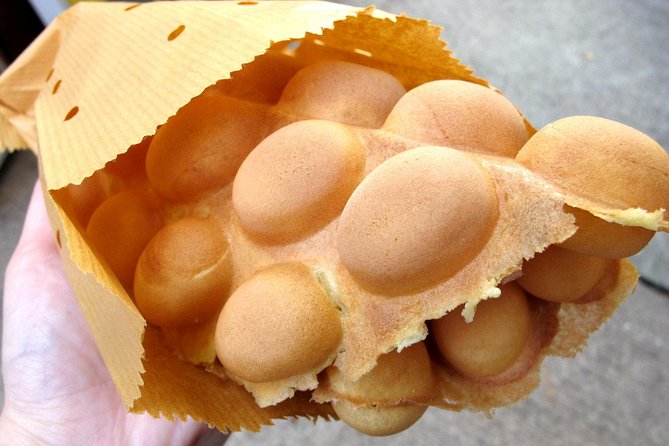
The sweet stops include mini egg puffs and egg tarts from a local bakery. Mini egg puffs are small, rounded cakes with a crisp outside and soft interior. Egg tarts offer a different texture, with pastry and a smooth custard center.
I like the way these stops give you a practical food map for the rest of your time in Hong Kong. You are not just told that a dish is popular. You taste it, learn its name, and get a better idea of what to look for later.
The family-run setting is also important. Small stalls can be easy to miss, especially when you are still getting used to Hong Kong’s busy streets and signs. Having a guide take you to several of them saves you from guessing where to begin.
Same city, a completely different day:
- Big Bus Hong Kong Open Top Hop-On Hop-Off Sightseeing Tour
★ 4.0 · 1,077 reviews - Hong Kong Day Tour: City Landmarks & Highlights
★ 4.5 · 798 reviews - Hong Kong International Airport Plaza Premium Lounge Access
★ 3.5 · 787 reviews - Hong Kong Disneyland Park Tickets
★ 4.6 · 522 reviews
The Blue House and Wan Chai’s past
Food is the reason to book this walk, but the Blue House adds a strong cultural stop. The building was the original site of the first hospital in the 1870s. It was later acquired by the government in the 1970s, and its blue exterior gave it the name used today.
The building is also linked to Hong Kong martial arts history. During the 1960s and 1970s, Lam Sai Wing, a student of kung fu master Wong Fei Hung, operated a kung fu studio there with his nephew.
The Blue House also contains the Hong Kong House of Stories, which is open to visitors. The route may not allow time for an extended visit inside, so you should treat this part primarily as a guided neighborhood stop unless your guide says otherwise.
This is a welcome change of pace after the market and food stalls. It shows how Wan Chai is not only a place to eat. The neighborhood carries traces of medical, residential, cultural, and martial arts history, all within a compact walking route.
Pak Tai Temple at the end of the walk
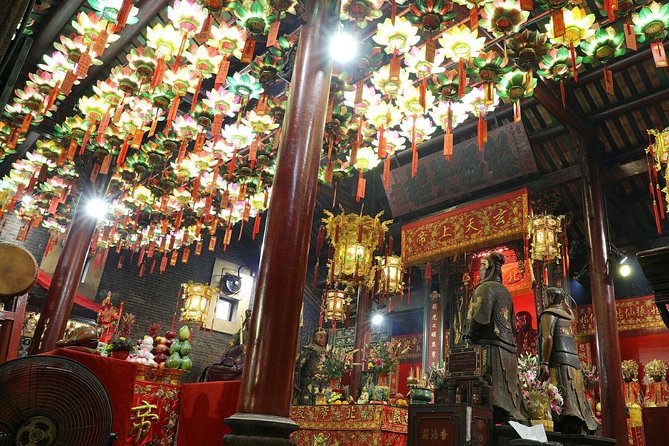
The final major stop is Pak Tai Temple, a Taoist temple built in 1863. It has three halls, with the main hall housing a three-meter copper image of Pak Tai. Images of Lung Mo, or the Dragon Mother, are placed on both sides.
The temple is listed as a Grade 1 historical building by Hong Kong’s Antiques Advisory Committee, which means it is protected for permanent preservation. That designation gives you a useful reason to pause and look closely rather than treating the temple as a quick photo stop.
A temple visit also balances the food portions of the itinerary. After spending the morning eating and observing commerce, you get a quieter look at local religious life and architecture. The stop should appeal to you if you want a food tour with more context than restaurant hopping.
As with any active place of worship, be respectful and follow the guide’s instructions. The tour description does not promise a ceremony or special access, so you should expect an exterior and visitor-oriented stop rather than a private religious experience.
How much food do you really get?
The tour includes food tastings at four locations, plus drinks at the Cha Chang Teng. The planned foods include cafe brunch items, roast pork belly, barbecue pork, mini egg puffs, and egg tarts.
That is a good spread for three hours. You get sweet and savory dishes, hot and cold drinks, cafe food, roast meats, and bakery items. You also receive bottled water, which is useful during a walking route.
Still, I would not book this expecting four full meals. The format is designed for sampling. You may leave satisfied, but your experience will depend on how generous each serving is on the day and how much you eat at the cafe.
If you have allergies, food restrictions, or a vegetarian diet, write them in the special requirements field when booking. A vegetarian option is available, but the food selection may be narrower. One past participant who was vegetarian had to skip a couple of snacks, so you should not assume every tasting can be replaced.
Is the $131.20 price good value?
At $131.20 per person, this is not a cheap way to grab breakfast. You are paying for more than the food itself: an English-speaking guide, four tasting locations, a maximum group size of eight, bottled water, and a planned route through Wan Chai.
The value is strongest if you are new to Hong Kong or uncomfortable choosing small food stalls on your own. The guide reduces the guesswork, explains the dishes, and connects the food with the neighborhood. You also avoid spending your first morning trying to locate several places independently.
The price is less compelling if you already know Wan Chai well, speak enough Cantonese to order confidently, and mainly want a large meal. In that case, you could spend less by visiting a cafe and a market yourself.
For first-time visitors, I think the small group and range of stops make the cost reasonable, especially if you value local explanation. Group discounts may also be available, so check the booking details if you are going with several people.
Who should book this experience?
I would recommend this tour to you if you want a gentle introduction to Hong Kong food and daily life. It works particularly well for first-time visitors, couples, small families, and solo visitors who prefer company while trying unfamiliar dishes.
It is also a good fit if you enjoy food but want more than restaurant recommendations. The market, Blue House, and Pak Tai Temple give the morning a wider purpose. You learn how Wan Chai eats, works, worships, and preserves its older buildings.
Families should note the child policy. For every two paying adults, up to two children aged 0 to 6 can join free. The tour is near public transportation, and most people can participate, but the wet market and walking route may be less comfortable for anyone who struggles with wet floors or extended standing.
You should reconsider it if you dislike seafood smells, crowded market spaces, or tasting foods you did not choose yourself. You should also avoid booking it as your only meal plan for the day if you have a large appetite.
The activity requires good weather. If poor weather forces a cancellation, you are offered another date or a full refund. You can cancel for a full refund up to 24 hours before the 10:30am start time, but changes or cancellations inside that window are not accepted.
Should you book the Wan Chai food tour?
Book it if you want a compact, guided introduction to Hong Kong food with real neighborhood context. The best parts are the small group, the Cha Chang Teng brunch, the family-run tasting stalls, and the chance to see a working wet market rather than only polished dining rooms.
I would choose it early in a Hong Kong visit. It can help you recognize milk tea, pineapple buns, roast meats, egg puffs, and egg tarts when you see them later. It may also point you toward places you would not find by simply walking along the main streets.
Skip it if you want a long sit-down meal, a private tour, or a fully vegetarian tasting menu. For everyone else, this is a practical way to get your bearings in Wan Chai, eat several local specialties, and leave with a better sense of how the neighborhood fits together.
FAQ
Where does the tour begin?
The tour begins at Wan Chai MTR station in Hong Kong.
What time does the tour start?
The start time is 10:30am.
How long does the tour last?
The tour lasts approximately three hours.
Where does the tour end?
The activity ends back at the meeting point near Wan Chai MTR station.
How many people can join the tour?
The group has a maximum of eight people.
Is hotel pickup included?
No. Hotel pickup and drop-off are not included.
What food is included?
The tour includes four food tasting locations. Foods listed include Hong Kong-style cafe items, roast pork belly, barbecue pork, mini egg puffs, and egg tarts.
Are drinks included?
Yes. Drinks at the Hong Kong-style cafe and bottled water are included.
Is a vegetarian option available?
Yes. A vegetarian option is available, but you must advise the provider when booking. Specific dietary requirements should also be provided in advance.
Can children join for free?
For every two paying adults, up to two children aged 0 to 6 can join free.
Can I cancel for a full refund?
Yes. You can cancel at least 24 hours before the start time for a full refund. Cancellations or changes made less than 24 hours before the start time are not accepted.
What happens if bad weather cancels the tour?
You will be offered a different date or a full refund if poor weather causes the tour to be canceled.
New reviews from Hong Kong
- Victoria Peak Tram and Sky Terrace 428 Admission Hong Kong★ 4.5 · 33 reviews
- Walking Tour in Hong Kong – Local Experience (New & Best)★ 4.5 · 33 reviews
- Full Day Private Trip in Hong Kong( impeccable local )walk tour★ 5.0 · 11 reviews
- Hong Kong Guided Dinner + Laser Show Lounge Entry (2023) | 200+ booked★ 3.5 · 7 reviews
- Hong Kong Victoria Harbour Sightseeing Cruise Tickets★ 4.5 · 8 reviews
- Group Vegetarian Food & Cultural Tour★ 5.0 · 16 reviews
- The Legendary Bruce Lee Experience Tour★ 4.5 · 9 reviews
- STARLIGHT: Victoria Harbour Night Yacht Tour★ 4.5 · 38 reviews
Tours in Hong Kong, compared.
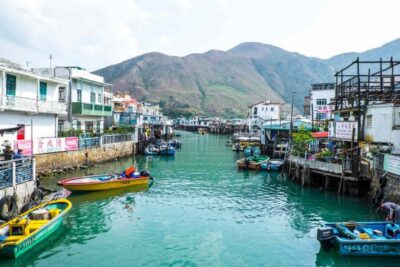
Dolphin Cruise, Big Buddha & Lantau Island Tour
Read our review →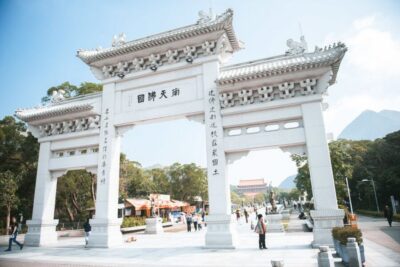
Ngong Ping 360: Cable Car Return Tickets & Combos
Read our review →
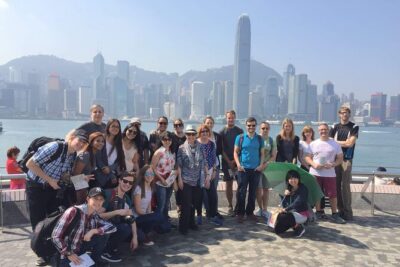
Hong Kong Day Tour: City Landmarks & Highlights
Read our review →
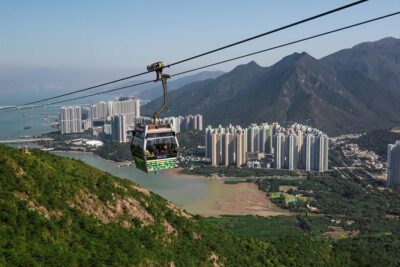
Ngong Ping 360 Cable Car Ticket on Lantau Island
Read our review →
Private Hong Kong Tour with a Local, Highlights & Hidden Gems 100% Personalised
Read our review →
Dark Side of Hong Kong – Kowloon Caged Homes Walking Tour
Read our review →Browse the lists this tour appears in