
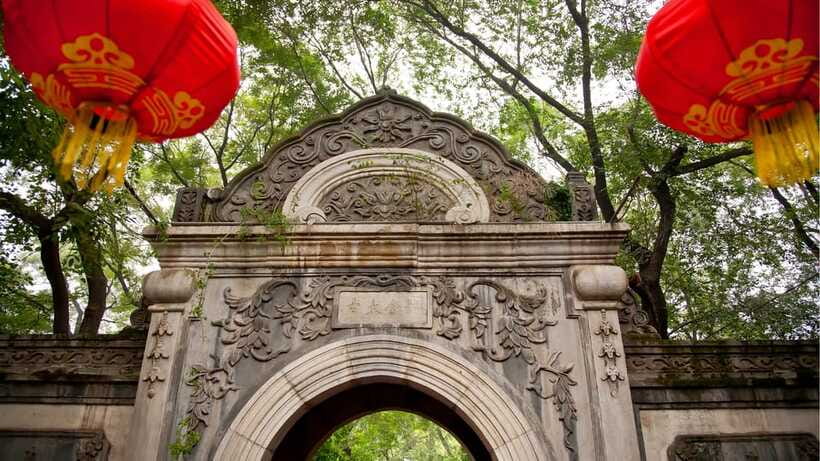
Reviewed · MUSEUMS
Beijing: Prince Kung’s Palace Museum Ticket—Must-See Spot
Prince Kung’s Palace is one of Beijing’s best places to see Qing Dynasty life beyond the imperial court. The former residence of the powerful minister He Shen leads you through ornate halls, quiet courtyards, and a garden shaped by wealth, status, and feng shui. The mansion is often called half of Qing Dynasty history, and the nickname makes sense once you see how much political and social detail is packed into one compound.
I like the self-guided format, because you can pause for photographs or move quickly through rooms that interest you less. I also like the setting: the palace is smaller and easier to navigate than the Forbidden City, while the gardens, rockeries, and surrounding historic area give you more than a single indoor museum visit.
The main drawback is timing. Crowds build after about 11:00, and the palace can feel much less calm in the afternoon. The $20 price is fair for the location and skip-the-line entry, but you receive a ticket and English PDF guide only, not a live guide or audio commentary.
Key points to know before you go
- He Shen’s former mansion: See the lavish residence of Emperor Qianlong’s influential minister, not just another imperial-style building.
- A calmer alternative to the Forbidden City: The palace is smaller, less tiring, and easier to follow, though it still gets crowded later in the day.
- Plan at least two hours: The halls, courtyards, garden, artifacts, and surrounding area deserve more than a quick look.
- Self-guided and flexible: Your English PDF guide points out important rooms and lesser-seen details, but no live or audio guide is included.
- A scenic route from Shichahai: You can walk from Shichahai station and pass the Drum Tower on the way.
- Evening cultural options: A light show and cultural performance are highlighted as part of the wider experience, but the included ticket details list only museum entry and the PDF guide.
Why Prince Kung’s Palace deserves a place on your Beijing plan
Beijing has no shortage of grand historic sites, but Prince Kung’s Palace gives you a more personal view of Qing power. The Forbidden City explains the emperor’s world on a huge scale. This palace shows how a high-ranking nobleman and court official lived within that system.
The residence began in the late 18th century and was first associated with He Shen, a major official under Emperor Qianlong. He Shen held great influence and enormous wealth. His house was built to match that position, with formal halls for public business, private living areas, and gardens designed for quiet pleasure.
Later, the compound became the residence of Prince Gong, which gave it the name used today. The palace therefore connects political corruption, court power, aristocratic life, and later Qing history in one place. You do not need to know every emperor or official before arriving. The architecture supplies much of the explanation.
I especially like the contrast between the formal front areas and the garden behind them. The buildings communicate rank and control. The garden feels more personal, with rockeries, water, pavilions, and winding paths. Together, they show how Qing elites balanced ceremony with retreat.
Other museums and galleries in Beijing:
- Beijing: Tianmen Square, Forbidden City & Royal Museum Tours
★ 4.6 · 1,288 reviews - Beijing:Jingshan Park (Palace Museum Garden) Ticket
★ 4.5 · 185 reviews - Beijing Half Day: National Museum of China In-depth Tour with Subway Transfer
★ 5.0 · 70 reviews
Entering the largest Qing princely mansion
Your ticket is for Prince Kung’s Palace Museum, one of the largest Qing Dynasty princely residences in Beijing. Skip-the-line entry matters here because it lets you spend your time inside the compound rather than waiting at the ticket counter.
Bring your passport or ID card. The information supplied for this experience specifically lists identification as necessary, so keep the document you used for booking close at hand.
The palace is not an all-day guided tour with a fixed route. It is a flexible one-day visit, meaning you can choose your own arrival time after checking availability and opening times. That format works well if you are combining the palace with other Beijing sights.
The tradeoff is that you must provide your own structure. The English PDF guide helps by pointing out important halls, gardens, and artifacts, but it will not answer questions on the spot. If you want detailed explanations of symbolism, construction, or court politics, you may find the visit less satisfying than a tour with a live guide.
The formal halls reveal Qing power
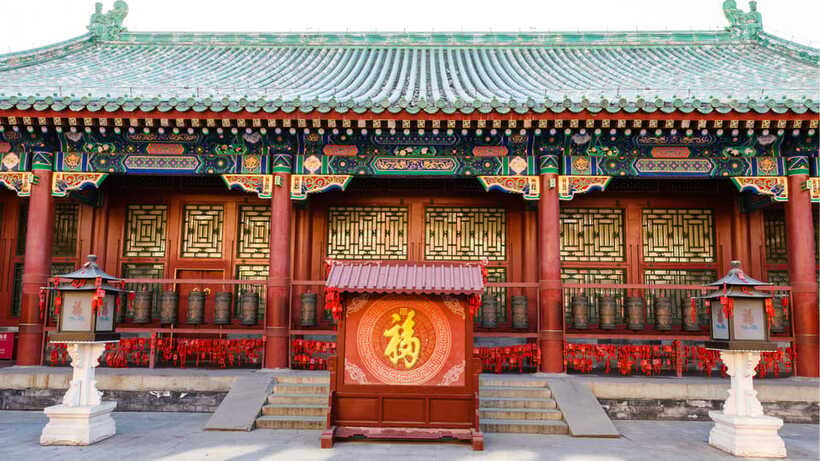
Start with the main halls and courtyards, where the residence feels most official. These spaces were built to impress. Their arrangement, decoration, and controlled movement from one area to another reflect the social order of the Qing court.
Look closely at the relationship between buildings rather than rushing from one room to the next. A hall is not important only for its decoration. Its position within the compound tells you something about who could enter, where business took place, and how visitors were managed.
The preserved artifacts add another layer. They help connect the architecture with daily life and court culture. You may find that a small object or furnishing explains more about status and taste than a large building does.
Your PDF guide is most useful here. Use it as a checklist, but do not treat it as a reason to hurry. Stop in the courtyards and compare the practical living spaces with the grander reception areas. The palace works best when you notice these shifts in scale.
Courtyards, corridors, and details worth photographing
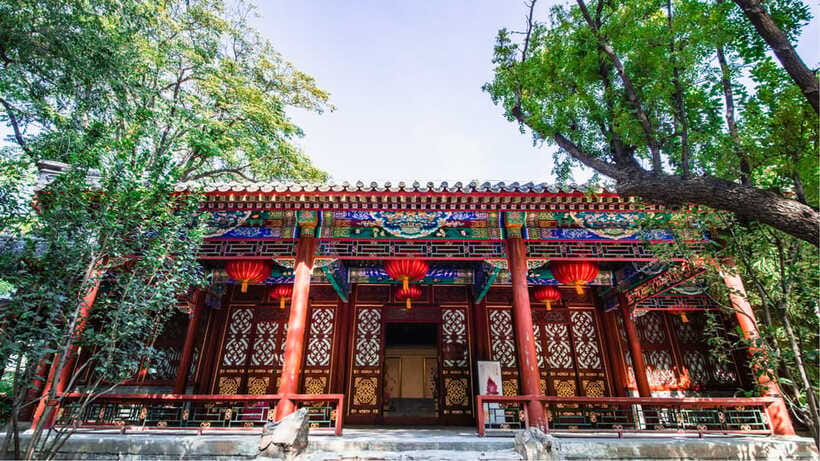
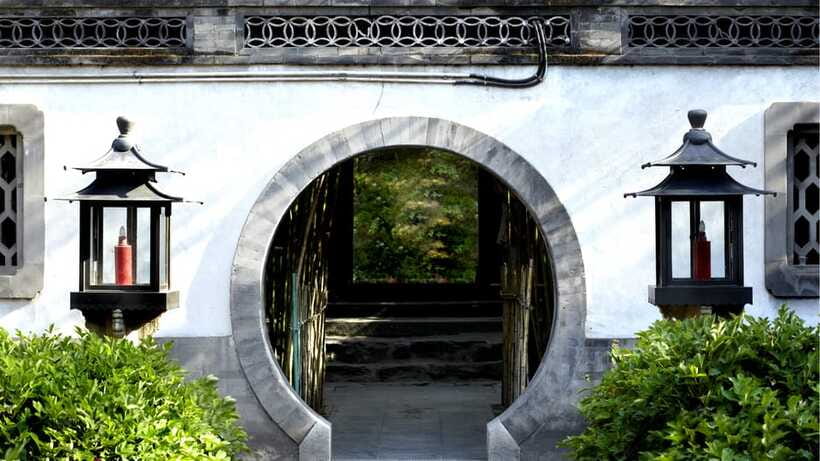
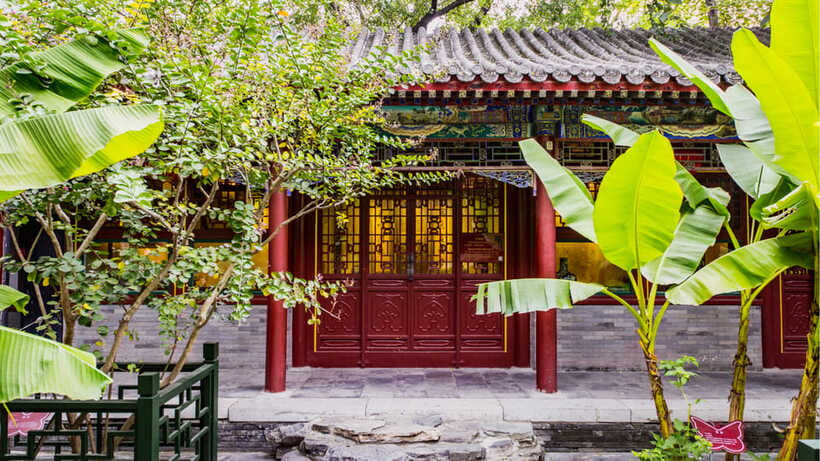
Prince Kung’s Palace is a good choice for photographers, but it rewards patience more than speed. Corridors frame courtyards. Rooflines repeat across the compound. Doorways create neat views into the next section of the residence.
You will find many attractive details in the transitions between buildings. A corridor may seem like a simple passage, yet it controls the view and gives the compound its rhythm. A courtyard can feel open, then suddenly enclosed when you move beneath a covered walkway.
The architecture also offers a useful lesson in Chinese design. Symmetry, balance, materials, and controlled sightlines appear throughout the site. At the same time, the garden introduces more irregular forms through rocks, water, and winding paths.
Allow time for photographs, but remember that later hours bring heavier crowds. A busy courtyard makes it harder to appreciate the design and harder to take clear pictures. An early visit gives you a better chance to see the spaces without constant interruptions.
A few more days out in Beijing worth the ticket
- Beijing: Forbidden City Tour(Group/Private)-Tickets Included
★ 4.8 · 7,974 reviews - 4-Hour Small Group Tour to Forbidden City with Entry Tickets
★ 5.0 · 1,863 reviews - Beijing: Tiananmen Square Registration Service(Ticket)
★ 4.5 · 1,704 reviews - Beijing: The Temple of Heaven or Summer Palace Entry Ticket
★ 4.6 · 1,286 reviews
The garden and its feng shui design
The garden is one of the strongest reasons to choose this palace. It offers a clear change from the formal buildings, with rockeries, pavilions, water features, and quieter corners.
Traditional Chinese feng shui principles helped guide the layout. The garden is not simply decoration added around the mansion. Its rocks, water, paths, and buildings work together to create movement, balance, and changing views.
I like to treat the garden as a sequence of small scenes. Walk slowly, look back through doorways, and notice how a wall or pavilion frames the next view. The setting is especially helpful if the formal halls begin to feel repetitive.
The garden also makes the palace less tiring than the Forbidden City. You still walk through a large compound, but the scale is more manageable. A United Kingdom visitor described it as easier to navigate and less exhausting than the Forbidden City, while still offering plenty to see.
That comparison is useful. Prince Kung’s Palace does not replace the Forbidden City, but it works well on a day when you want serious history without another huge complex. If your Beijing schedule includes both, placing this palace after the Forbidden City may give you a more relaxed second museum visit.
Why an early visit is the smart choice
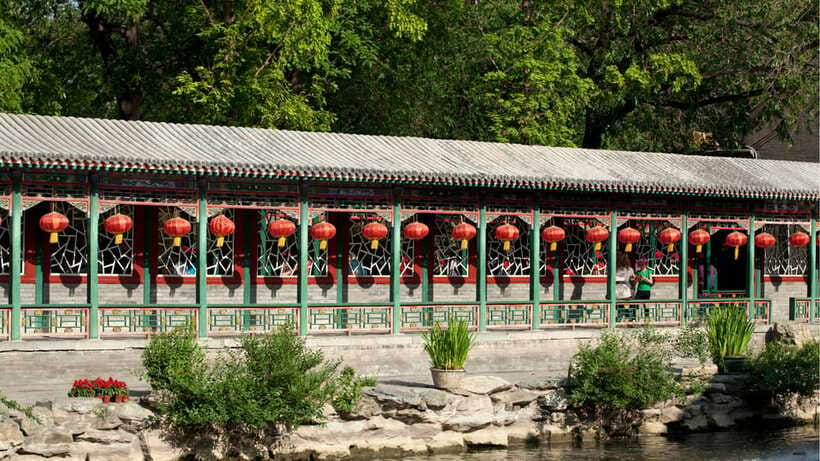
The most practical advice is simple: arrive early. After around 11:00, crowds can increase sharply, and the experience becomes less peaceful. The palace may still be worth seeing later, but you will have less room to pause in courtyards or enjoy the garden.
Morning also gives you flexibility for the rest of the day. You can take your time inside, then continue toward nearby attractions in the surrounding historic area. The palace is within walking distance of other sights, so it can fit naturally into a broader Beijing route.
One suggested approach is to reach the area through Shichahai. From the metro station, you can follow a scenic walk and pass the Drum Tower before or after your palace visit. This makes the outing feel connected to old Beijing rather than isolated from the city around it.
The supplied information does not give a fixed starting time or a transport service. You need to check availability for the date you want and make your own way to the museum. That is a limitation for anyone looking for door-to-door convenience, but it suits independent visitors who already plan to use Beijing’s public transport or walk between sights.
What the $20 ticket actually gives you
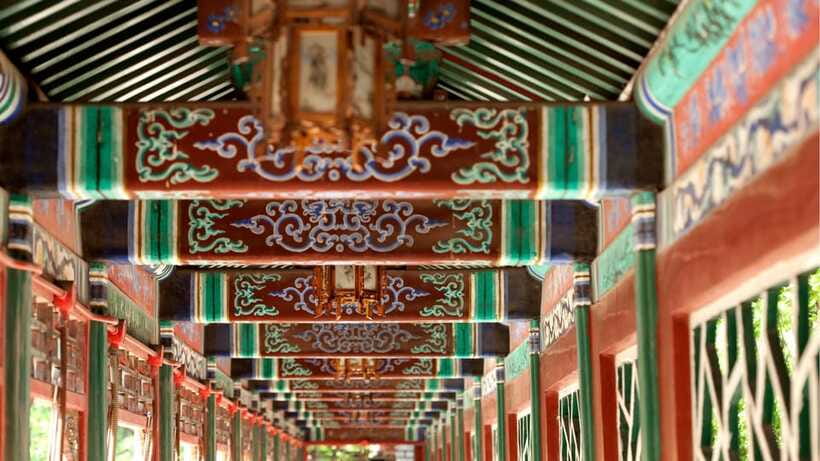
At $20 per person, the experience is reasonably priced for a major Beijing historic site. You receive entry to Prince Kung’s Palace Museum and an English PDF guidebook. Skip-the-line access adds practical value, especially during busy periods.
The price is less attractive if you expect a fully guided historical tour. There is no live guide and no audio guide included. You will need to read the PDF and make your own observations, so the value depends on how much independence you prefer.
For me, the strongest value comes from the combination of a major site, flexible timing, and a guide that helps you notice more than the obvious halls. A self-guided visit also avoids the fixed pace of a group tour. You can linger in the garden, take photographs, or leave once you have seen the areas that matter most to you.
The visit is listed as a one-day activity, but that does not mean you need to spend an entire day inside the museum. Plan at least two hours. Add more time if you want to study the artifacts, take photographs, explore the grounds slowly, and walk through the nearby area.
Light shows and cultural performances
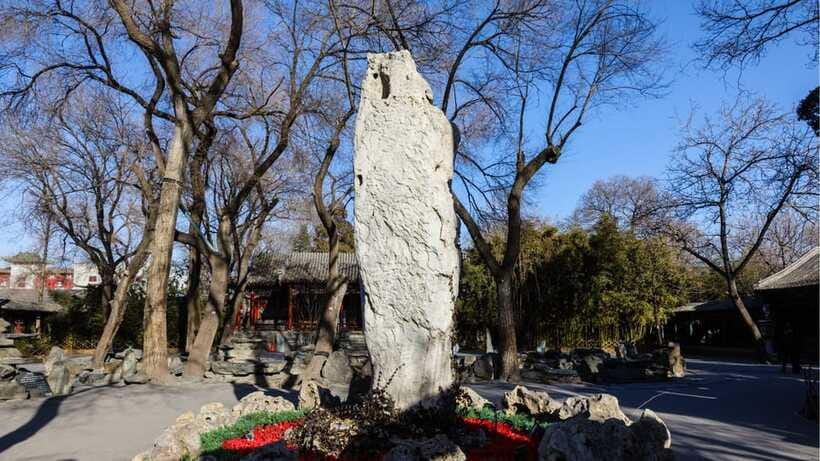
A light show and cultural performance are highlighted as part of the attraction’s evening appeal. These may suit you if you want to add a more theatrical element to the palace visit.
However, check exactly what your selected booking includes before you count on an evening show. The included items specifically name museum entry and the English PDF guidebook. They do not list a separate performance ticket or show time.
This distinction matters because the main value of the $20 booking is the museum visit itself. Treat the light show and cultural performance as possible additions rather than guaranteed parts of the basic entry unless your confirmation says otherwise.
Who will enjoy this palace most
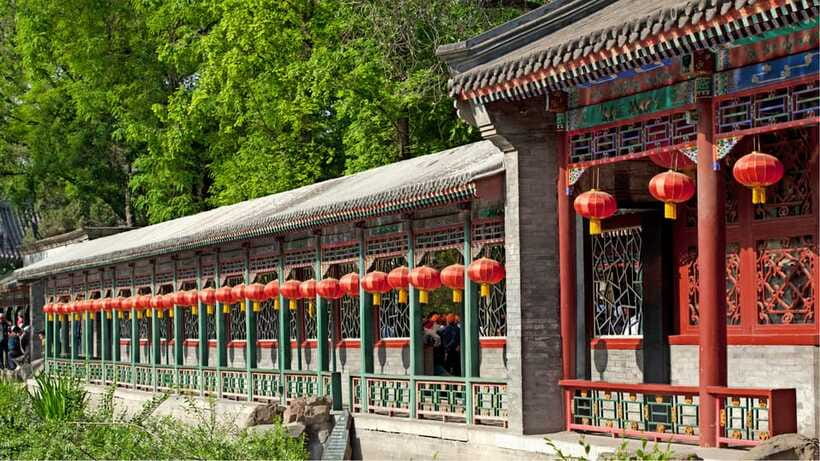
This experience is a strong match for history and culture enthusiasts who want to explore at their own pace. It also suits photographers, especially those interested in courtyards, garden views, traditional rooflines, pavilions, and carefully framed architectural details.
You will probably enjoy it if you have already visited, or plan to visit, the Forbidden City but want a smaller and less tiring historic site. The palace offers enough variety to feel substantial without requiring the same amount of walking.
Families and mixed-interest groups may also find the flexible format useful. One person can read the guide, another can focus on photographs, and everyone can pause when needed. There is no guide setting the pace.
It is less suitable if you want a personal lecture, a specialist explanation of every artifact, or included transport. You should also reconsider a late arrival if crowded sites frustrate you. The palace is at its best when you have room to look carefully.
Booking flexibility and useful practical details
You can cancel up to 24 hours before the visit for a full refund, according to the booking terms provided. You can also reserve now and pay later, which helps if your Beijing schedule is still changing.
The experience requires a passport or ID card. Bring it even if you normally rely on a digital booking confirmation, because identification is specifically listed in the important information.
The English PDF guidebook is included, but a live tour guide and audio guide are not. Download or open the guide before you enter if possible, since you will want easy access while moving through the halls and gardens.
The provider is Panda Happy Journey in China. No individual guide is assigned because this is a self-guided visit.
Should you book Prince Kung’s Palace?
Book it if you want a major Qing site with impressive architecture, a beautiful garden, and the freedom to set your own pace. The palace gives you a more intimate look at aristocratic life than the huge imperial compounds, and its location makes it easy to pair with Shichahai, the Drum Tower, and nearby sights.
Book early in the day if you can. That single choice will do more to improve the visit than any extra feature. Allow at least two hours, use the PDF guide, and leave time for the garden rather than treating it as a quick final stop.
Skip it if you need a live guide, included transport, or a guaranteed evening performance. For an independent visitor who values history, photography, and manageable walking, the $20 ticket offers a worthwhile look at one of Beijing’s most impressive Qing residences.
FAQ
How much does entry to Prince Kung’s Palace Museum cost?
The listed price is $20 per person.
How long does the experience last?
The activity is listed as lasting one day, with flexible timing based on availability. Plan at least two hours to see the palace, gardens, and important details without rushing.
What is included with the ticket?
The booking includes entry to Prince Kung’s Palace Museum and an English PDF guidebook.
Is a live tour guide included?
No. The experience is self-guided, and a live guide is not included.
Is an audio guide included?
No. An audio guide is not included.
Can I skip the ticket line?
Yes. Skip-the-line entry is included in the activity information.
Can I cancel for a full refund?
Yes. You can cancel up to 24 hours in advance for a full refund.
Do I have to pay when I reserve?
No. The reserve-now, pay-later option lets you book without paying immediately.
What should I bring?
Bring your passport or ID card.
New reviews from Beijing
- Mutianyu Wall, Summer Palace & Old Summer Palace Day Tour★ 4.8 · 34 reviews
- Night Market Haggling Adventure with an English Guide!★ 4.8 · 7 reviews
- BusDa-Mutianyu Great Wall&Forbidden City Full-day Coach Tour★ 4.9 · 11 reviews
- Mutianyu Great Wall Ticket with Roundtrip Cable Car★ 5.0 · 20 reviews
- Mutianyu Great Wall Entry Ticket Chairlift Up Toboggan Slide★ 4.9 · 8 reviews
- Mutianyu Great Wall Bus Trip+Ticket 7/8/9/10/13/13:30/15:30★ 4.7 · 24 reviews
- Mutianyu Great Wall 5-KM Guided Hike with Uphill Cable Car★ 4.8 · 16 reviews
- Mutianyu Great Wall Admission Ticket★ 3.6 · 7 reviews
Museums, compared.
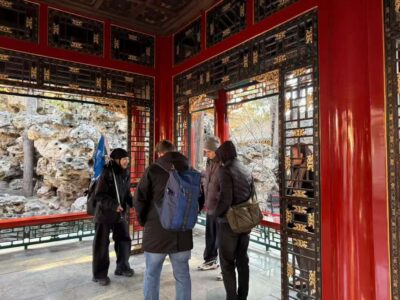
Tianmen Square, Forbidden City & Royal Museum Tours
Read our review →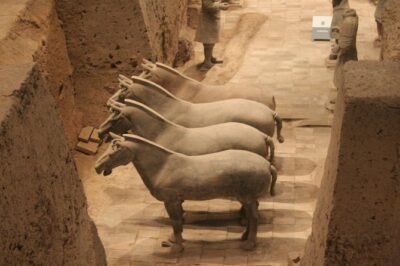
Half-Day Mini Group Xian Tour to Terracotta Warriors Museum
Read our review →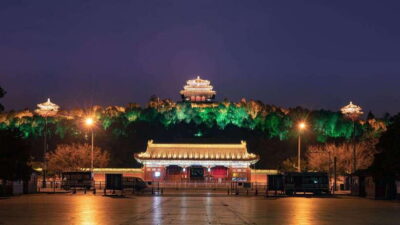
Beijing:Jingshan Park (Palace Museum Garden) Ticket
Read our review →
Private Chengdu Day Tour: Giant Pandas and Jinsha Site Museum
Read our review →
Private Xi’an Tour: Terracotta Warriors, Hanyangling Museum, Cave Homes
Read our review →
Beijing Half Day: National Museum of China In-depth Tour with Subway Transfer
Read our review →
Terracotta Warriors Museum Ticket with Professional English-speaking tour guide
Read our review →Browse the lists this tour appears in