
Reviewed · MUSEUMS
Beijing: National Art Museum of China Entry Reservation
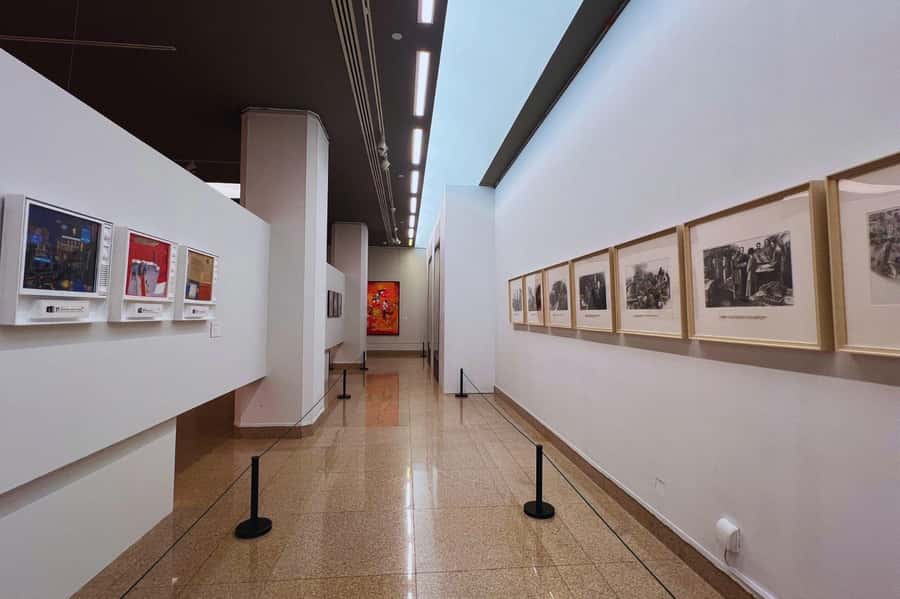
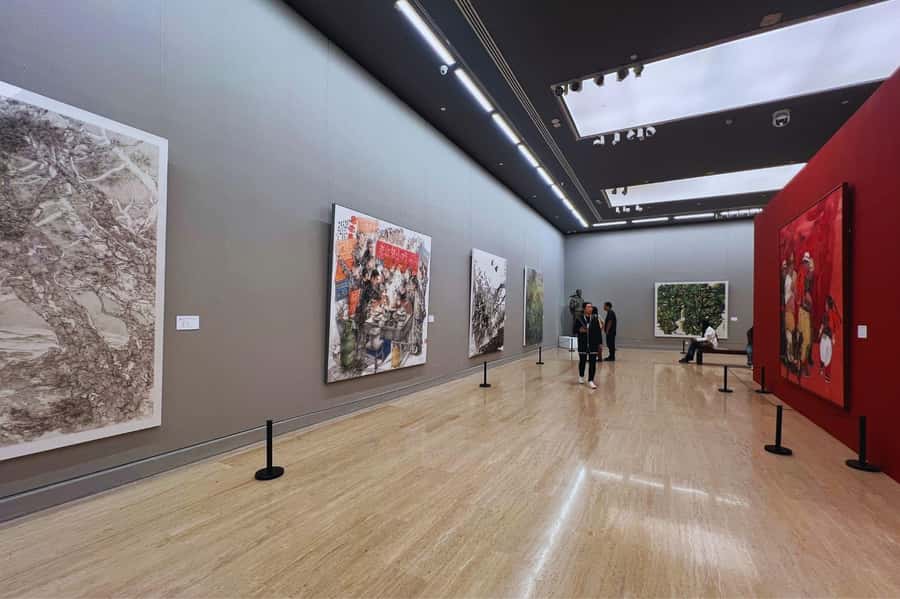
The National Art Museum of China gives you a clear look at how Chinese art has changed from traditional ink painting and calligraphy to modern and contemporary work. With more than 100,000 pieces in its collection, this is not a quick photo stop. It is a chance to spend two quiet hours with China’s artistic story in one place.
I like the low $6 price, which makes the museum an easy addition to a Beijing sightseeing day. I also like the freedom to set your own pace, supported by an English textual and visual guide rather than a fixed group schedule.
The main consideration is that this is an entry reservation, not a guided tour with a named expert leading you from room to room. You need to bring your passport or ID card, and the museum experience may feel more rewarding if you already have some interest in Chinese art.
Key points to know before you book
- More than 100,000 works: Expect traditional ink paintings, calligraphy, sculpture, and modern and contemporary Chinese art.
- A self-paced museum visit: You can look closely at the pieces that interest you instead of following a timed group route.
- English support included: The textual and visual guide helps you approach the collection without relying only on Chinese-language labels.
- About two hours: The stated duration is enough for a focused visit, though special exhibitions may tempt you to stay longer.
- Easy ticket redemption: The entry reservation is redeemed at the ticket office, and the process has been described as easy.
- Wheelchair accessible: The museum is listed as accessible for wheelchair users, and smoking is not allowed.
What you actually get for $6
At $6 per person, this experience offers unusually good value for anyone already planning to visit central Beijing. You are paying for entry to one of China’s major national art institutions, plus access to an English version of the textual and visual guide.
That price does not include personal expenses or a private guide. It also does not promise a lecture, transport, meals, or a detailed explanation of every gallery. Think of it as a low-cost doorway into a large museum, with enough guidance to help you make sense of what you see.
I would compare this cost with the price of a short attraction visit in Beijing. If you want an entertaining activity that requires little planning, the museum may feel too quiet and open-ended. If you value culture, visual detail, and the chance to pause in front of an artwork, the value is strong.
The flexibility matters, too. You can reserve now and pay later, so your plans remain adjustable while you work out your Beijing schedule. Free cancellation is available up to 24 hours before the visit for a full refund.
Other museums and galleries in Beijing:
- Beijing: Tianmen Square, Forbidden City & Royal Museum Tours
★ 4.6 · 1,288 reviews - Beijing:Jingshan Park (Palace Museum Garden) Ticket
★ 4.5 · 185 reviews - Beijing Half Day: National Museum of China In-depth Tour with Subway Transfer
★ 5.0 · 70 reviews
Entering the National Art Museum of China
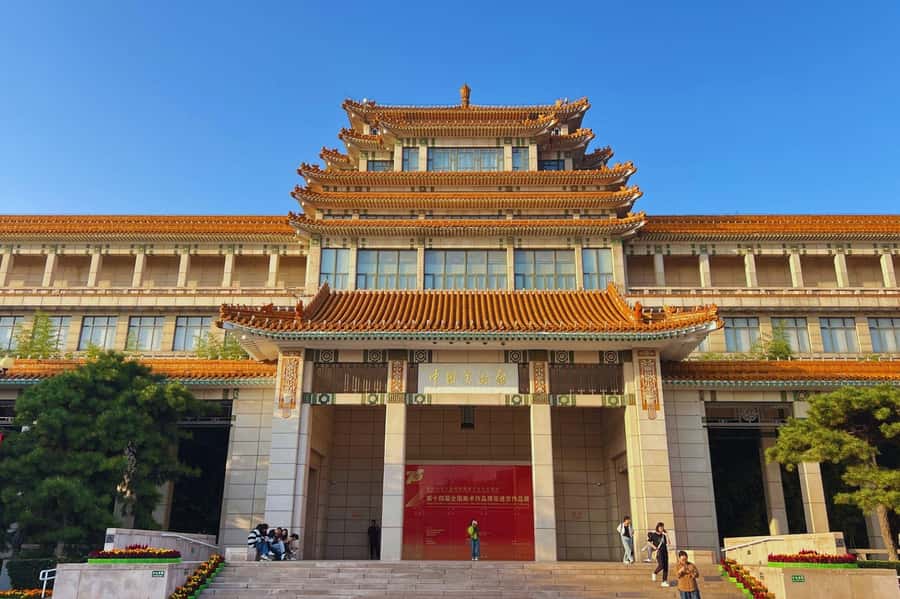
Your reservation is for the National Art Museum of China, known as NAMOC, in the heart of Beijing. The experience begins with entry rather than a meeting with a guide, so you should have your passport or ID card ready.
The most useful practical detail is the ticket redemption. The reservation is redeemed at the ticket office, and the process is described as easy. That is reassuring if you are concerned about turning a digital booking into a physical museum entry.
The reservation is also presented as a way to skip the ticket line. Still, allow yourself a little time for entry procedures, identification checks, and finding the right museum area. A reserved ticket reduces uncertainty, but it does not mean you should arrive at the last second.
The museum is wheelchair accessible. Children under two are not considered suitable for this activity, so families with very young children should choose another stop or confirm plans carefully before booking.
Begin with traditional ink painting and calligraphy
The collection includes traditional Chinese ink paintings and calligraphy, two art forms that can look simple at first glance. Give them time. A few brush marks can carry a great deal of meaning, and the open space in an ink painting is often as important as the painted subject.
You might find that these galleries reward slow looking more than quick sightseeing. Instead of moving from object to object, choose a piece and notice its brushwork, balance, use of empty space, and written characters.
Calligraphy is both writing and visual art, so you may not be able to read every work. The English textual and visual guide is useful here because it gives you a way into the pieces without requiring fluency in Chinese.
I like this part of the visit because it gives the rest of the museum a cultural base. When you later see modern works, you can think about what has changed and what has remained in Chinese artistic practice.
Do not expect every traditional work to explain itself instantly. Some pieces may seem restrained beside large modern paintings or sculpture. That is normal. The reward comes from paying attention to line, rhythm, and the relationship between image and text.
Follow the shift into modern Chinese art
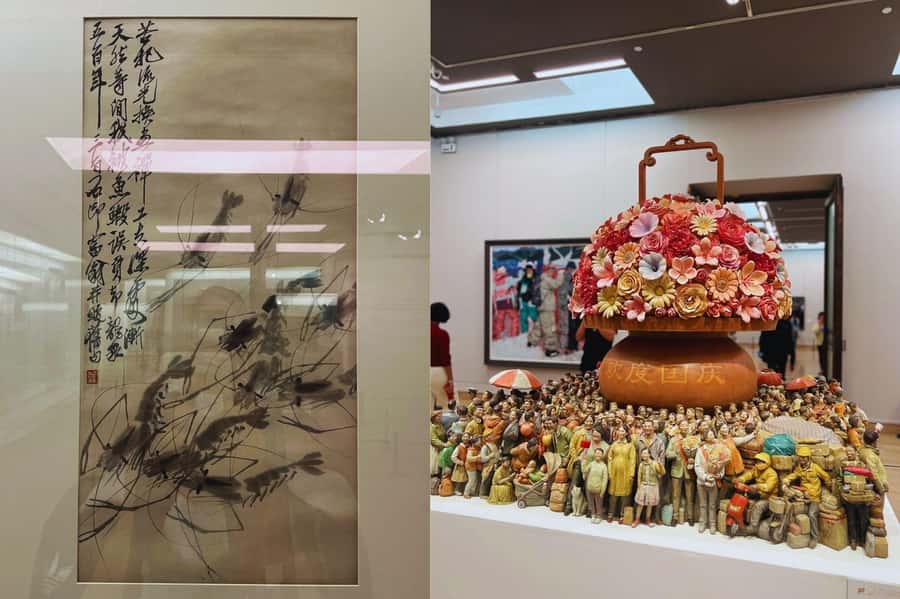
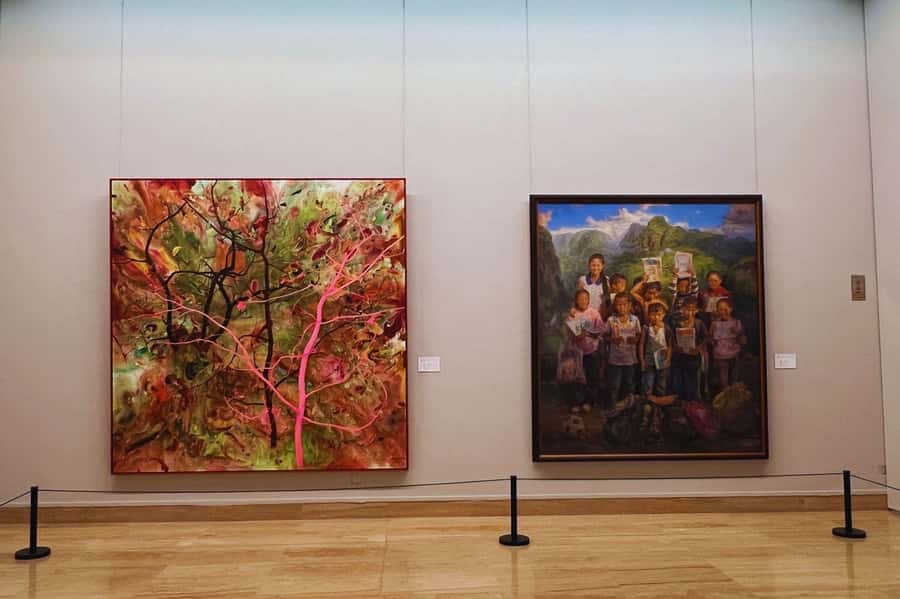
NAMOC is especially useful for seeing modern and contemporary Chinese art alongside older forms. The collection shows an artistic evolution rather than a single fixed style, so you can compare traditional techniques with newer approaches to subject, material, and composition.
The available information does not specify which individual artists or works will be on display during your visit. NAMOC regularly hosts special exhibitions and events, so the exact galleries and emphasis can change.
That uncertainty is worth keeping in mind. You should not book this entry expecting one guaranteed painting or a particular temporary exhibition unless you have checked the museum’s current schedule separately.
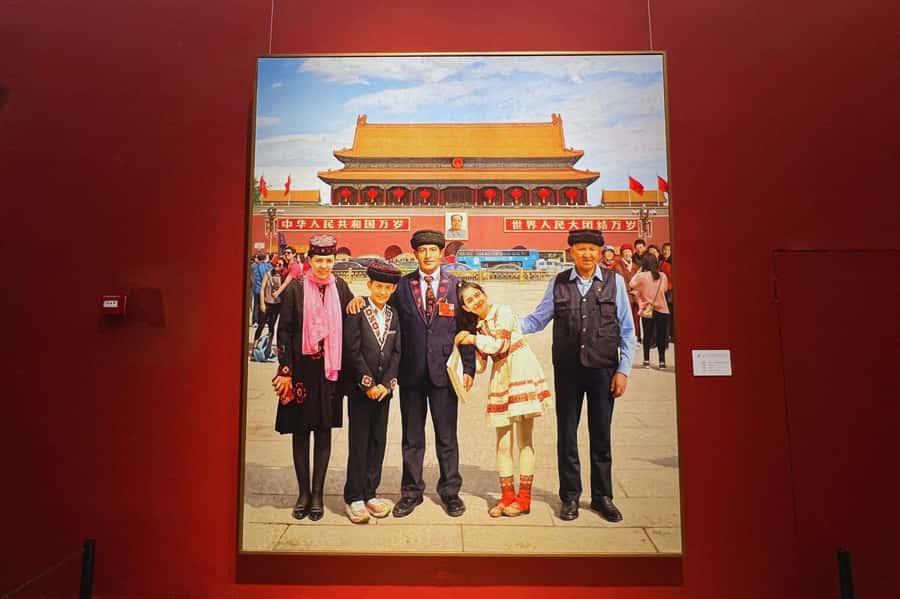
Even so, the broad collection makes the visit worthwhile. You might see sculpture placed beside paintings, calligraphy presented near other forms of visual art, and contemporary pieces that ask you to think about China beyond familiar tourist images.
I would give yourself room to change direction. A self-paced visit lets you spend more time with a work that catches your attention and less time with one that does not. That freedom is one of the best features of a museum this large.
Same city, a completely different day:
- From Beijing: Mutianyu Great Wall Tours with Options
★ 4.9 · 9,216 reviews - Beijing: Forbidden City Tour(Group/Private)-Tickets Included
★ 4.8 · 7,974 reviews - Beijing: T-Square & Forbidden City Group or Private Tour
★ 4.8 · 4,446 reviews - All-Inclusive Tour: Tiananmen Square, Forbidden City, Great Wall
★ 5.0 · 2,873 reviews
Sculpture and the wider collection
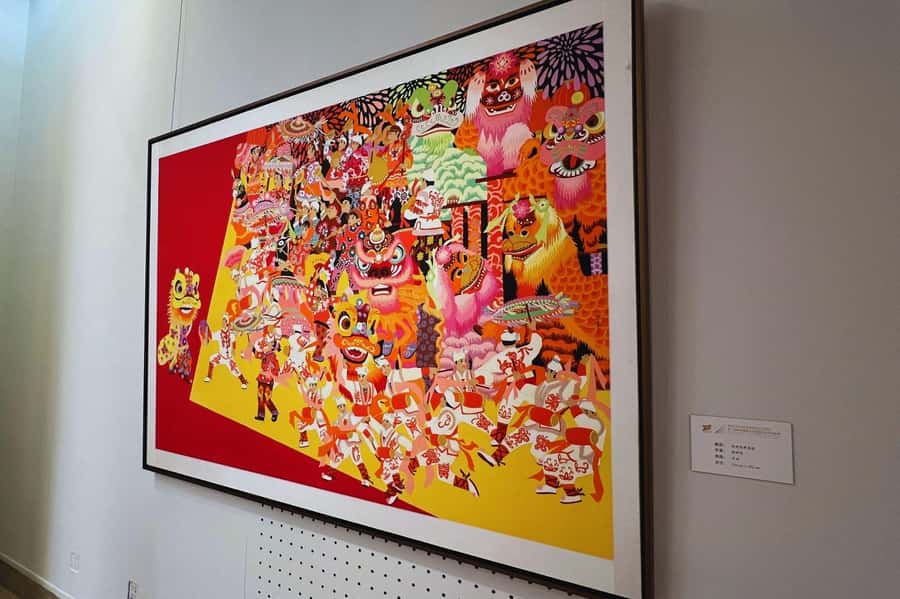
Sculpture adds a different rhythm to the visit. After looking at works on paper and painted surfaces, three-dimensional pieces give you something to view from different angles and at a different physical scale.
The collection is described as including traditional and modern forms, so the museum is not limited to a single medium. You can use the sculpture galleries as a break from close reading of calligraphy or detailed painted scenes.
The museum also includes works by prominent Chinese and international artists. The supplied information does not list those artists or guarantee which examples will be displayed, so I would treat this as a broad promise about the institution rather than a fixed exhibition checklist.
For you, that means the museum may work best as an art sampler. It offers a way to see several kinds of Chinese artistic practice in one visit, even if you are not ready to spend an entire day studying one period.
Using the English textual and visual guide
The English guide is an important part of the booking. It is described as both textual and visual, which should help you connect written explanations with the objects and displays in front of you.
You should use it selectively rather than trying to read everything. Start with the works or galleries that interest you, then check the guide when you want context about an art form, an object, or a change in style.
This approach keeps the two-hour visit manageable. A large national museum can become tiring if you attempt to absorb every label. The guide gives you support, but you still control how much information you take in.
Because no guide’s name is provided and no live tour is included, do not expect personal questions answered in real time. If you want an expert’s spoken interpretation, this reservation may not meet that need. If you prefer quiet exploration with English help available, it is a better fit.
A realistic two-hour plan
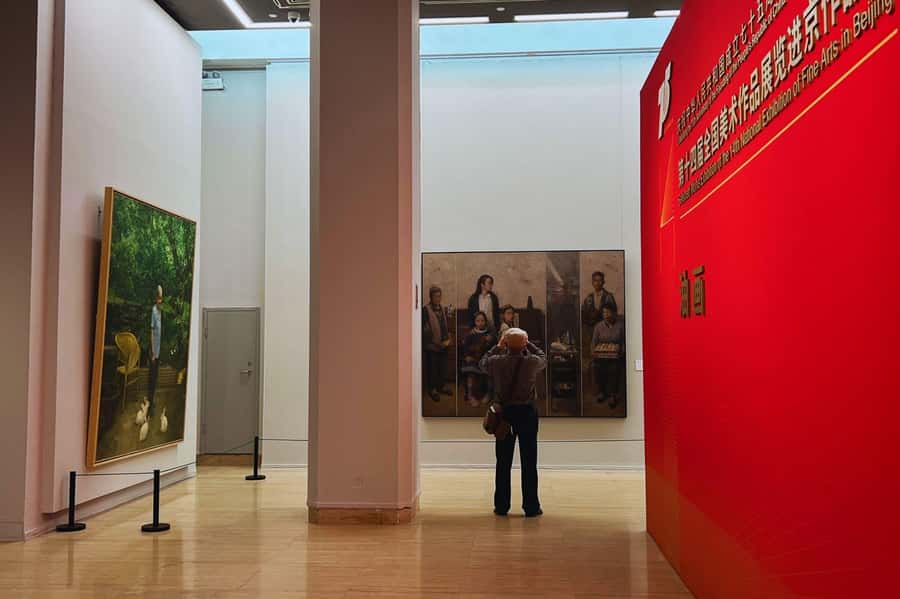
The stated duration is two hours, which gives you enough time for a focused first visit. I would not try to see every object in a collection of more than 100,000 pieces during that window.
A sensible approach would be:
- Spend the opening part of your visit getting oriented and looking at traditional ink paintings or calligraphy.
- Move into modern and contemporary Chinese art, watching for changes in style, subject, and material.
- Allow time for sculpture and any special exhibition areas open during your visit.
- Use the English guide for selected works rather than reading every piece of text.
- Keep a few minutes at the end for the works you want to revisit.
This is not a prescribed itinerary, but it gives your visit shape. Without a plan, a large collection can blur together. With one, you can leave with a clearer sense of how Chinese art moves between tradition and modern expression.
If a special exhibition is running, you may want to adjust the balance. The museum regularly hosts temporary events, but their content and availability are not guaranteed with this entry.
Who will enjoy this museum most
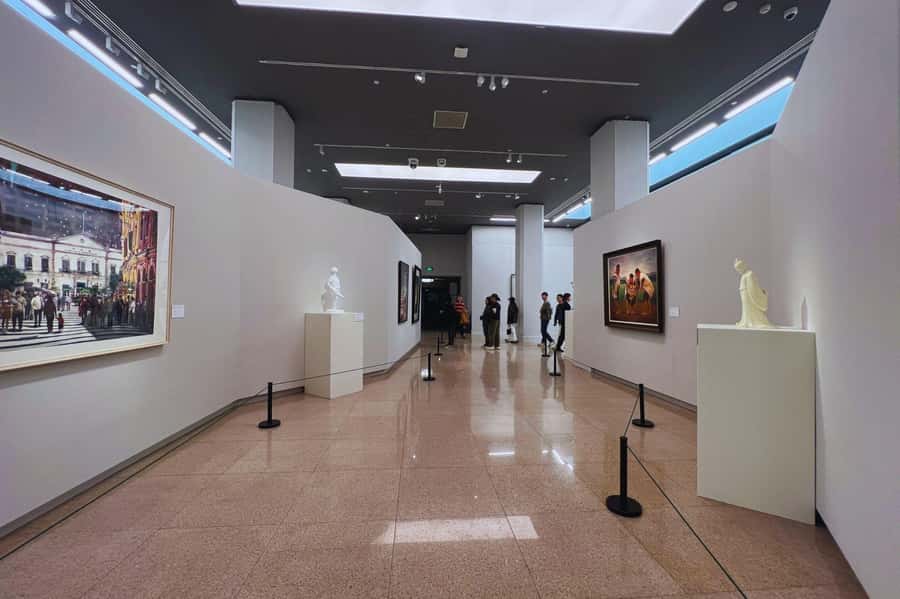
I would recommend the experience first to adults and older children with an interest in art, culture, or Chinese history. You do not need specialist training. Curiosity is enough, especially if you are willing to slow down and look closely.
It also suits independent visitors. You can avoid a rigid group timetable, decide which works deserve your attention, and move through the museum at your own speed.
The experience is less suited to someone who wants a guide telling stories throughout the visit. It is also not ideal if you have only a few minutes between major Beijing sights. Two hours is the stated duration, and the museum deserves more attention than a rushed walk through a few rooms.
Families should note the age restriction for children under two. The museum is wheelchair accessible, which makes it a practical cultural stop for many visitors with mobility needs.
Practical details that matter
Bring your passport or ID card. This is the clearest preparation rule, and having the correct identification ready should make the entry process easier.
Smoking is not allowed. Plan your visit with that restriction in mind.
The booking includes entry reservation and the English textual and visual guide. Personal expenses are not included, so bring whatever money or payment method you need for your own needs.
Starting times vary according to availability. Check the available time before confirming, then build the rest of your Beijing day around it rather than assuming you can arrive at any hour.
The activity is offered by PANDA HAPPY JOURNEY IN CHINA. No individual guide is named, and the format is independent museum exploration rather than a live guided walk.
The entry is wheelchair accessible. The information does not provide details about every facility inside the building, so visitors with specific access needs may still want to confirm arrangements before arrival.
How this compares with a guided art visit
The chief choice is not between expensive and cheap entry. It is between independence and interpretation.
With this reservation, you get a lower price, flexible pacing, and an English guide in written and visual form. You can linger over calligraphy, skip a gallery that does not appeal to you, and return to a favorite sculpture without holding up a group.
A live guide would normally offer more personal explanation and the chance to ask questions. That service is not part of this activity. If you want a detailed account of individual artists, political context, or artistic techniques, you may need a separate guided experience.
For many people, the self-guided format is enough. Art museums can be personal places, and the freedom to look quietly has real value. Just be honest about what you want before booking.
Is the $6 reservation worth it?
The strongest reason to book is the combination of low cost and broad subject matter. You get access to traditional ink painting, calligraphy, sculpture, modern Chinese art, and contemporary work in one major Beijing institution.
The easy ticket-office redemption is another practical advantage. A reservation that is simple to use removes one small source of stress from a busy city visit.
The main limitation is the lack of a named live guide and the uncertainty around the exact exhibitions available on your date. The museum’s collection is large, but two hours will only give you a selected look.
Book this experience if you want an affordable, independent cultural stop and you are happy to use an English guide rather than follow a lecturer. Skip it if you need a tightly structured tour, guaranteed access to a specific artist, or an activity designed mainly for very young children.
FAQ
Where is the National Art Museum of China?
The National Art Museum of China is in Beijing, in northern China.
How much does entry cost?
The listed price is $6 per person.
How long does the museum visit take?
The stated duration is two hours. Starting times depend on availability.
What does the reservation include?
It includes an entry reservation for the National Art Museum of China and an English version of the textual and visual guide.
Do I need to bring identification?
Yes. You should bring your passport or ID card.
Can I cancel the reservation?
Yes. You can cancel up to 24 hours in advance for a full refund.
Is the museum wheelchair accessible?
Yes. The activity is listed as wheelchair accessible.
New reviews from Beijing
- Mutianyu Wall, Summer Palace & Old Summer Palace Day Tour★ 4.8 · 34 reviews
- Night Market Haggling Adventure with an English Guide!★ 4.8 · 7 reviews
- BusDa-Mutianyu Great Wall&Forbidden City Full-day Coach Tour★ 4.9 · 11 reviews
- Mutianyu Great Wall Ticket with Roundtrip Cable Car★ 5.0 · 20 reviews
- Mutianyu Great Wall Bus Trip+Ticket 7/8/9/10/13/13:30/15:30★ 4.7 · 24 reviews
- Mutianyu Great Wall Entry Ticket Chairlift Up Toboggan Slide★ 4.9 · 8 reviews
- Mutianyu Great Wall 5-KM Guided Hike with Uphill Cable Car★ 4.8 · 16 reviews
- Mutianyu Great Wall Admission Ticket★ 3.6 · 7 reviews
Museums, compared.
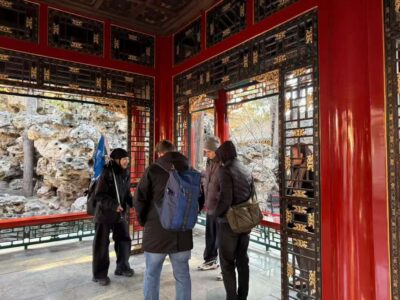
Tianmen Square, Forbidden City & Royal Museum Tours
Read our review →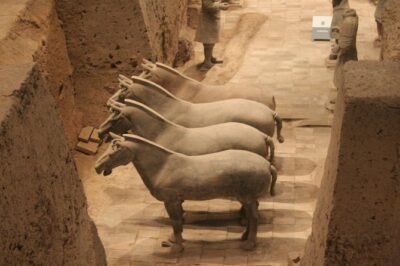
Half-Day Mini Group Xian Tour to Terracotta Warriors Museum
Read our review →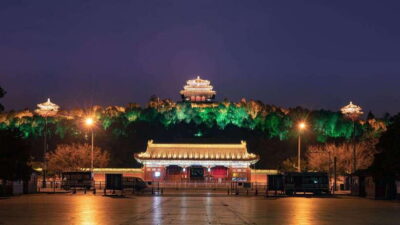
Beijing:Jingshan Park (Palace Museum Garden) Ticket
Read our review →
Private Chengdu Day Tour: Giant Pandas and Jinsha Site Museum
Read our review →
Private Xi’an Tour: Terracotta Warriors, Hanyangling Museum, Cave Homes
Read our review →
Beijing Half Day: National Museum of China In-depth Tour with Subway Transfer
Read our review →
Terracotta Warriors Museum Ticket with Professional English-speaking tour guide
Read our review →Browse the lists this tour appears in