
Reviewed · SHOWS & PERFORMANCES
Yuxiandu Chinese Royal Cuisine Museum with Show and Royal Banquet
The most unusual part of this Beijing evening is the way food, palace ceremony, and stage performance are joined together. You tour the Royal Cuisine Museum, watch a Qing dynasty procession, then sit down for a formal banquet based on imperial recipes.
I like the English subtitles, which make the performance much easier to follow, and I like the chance to try Qing-style costumes as an emperor or empress. The main drawback is the fixed schedule. Arrive late and you can miss the ceremonial opening, while the experience may feel theatrical rather than like a quiet museum visit.
Key points to know before booking
- Qing dynasty ceremony: The dinner program begins with a reenactment of Empress Dowager’s grand departure from the palace.
- Two-hour cultural outing: You tour the museum, attend the banquet, and watch an 80-minute performance.
- English subtitles included: Subtitles on the walls help you follow the show without knowing Chinese.
- First-row seats are worth considering: They give you a clearer view of the costumes and stage action.
- Royal-style food: The menu is inspired by ancient imperial recipes, with pork replacements available by request.
- Easy subway access: The venue is near public transportation, and Line 12 reaches the area.
A royal banquet with a stage show attached
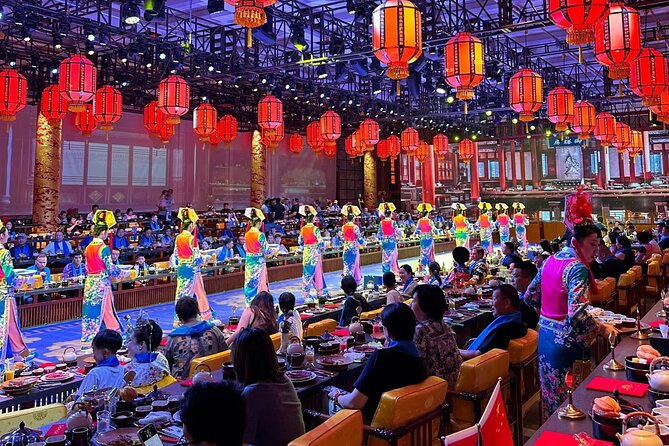
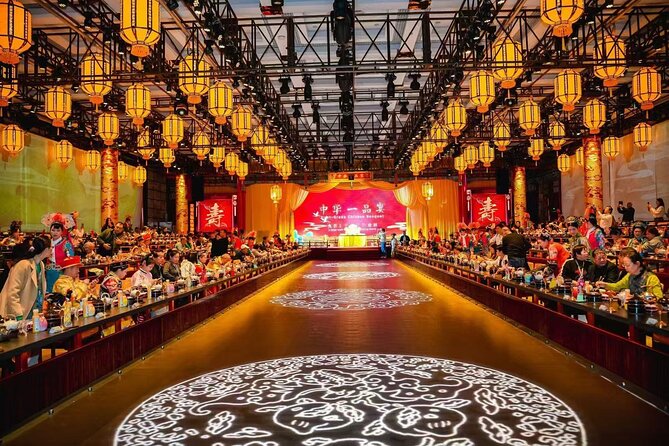
Yuxiandu is not simply a restaurant and not quite a standard museum. It is a packaged cultural experience built around the idea of imperial dining. You enter through a museum setting, learn about royal cuisine, and then move into a banquet hall for food and performance.
That combination is useful if you have limited time in Beijing. In about two hours, you get a quick introduction to Qing court customs, ceremonial movement, traditional food, costumes, and staged entertainment. You do not need to arrange separate museum admission, restaurant seating, and a theater ticket.
I would set your expectations correctly. This is a polished cultural presentation for visitors, not a research museum or a private palace dining room. The value comes from the range of things packed into one evening. You get context, spectacle, and a meal without spending an entire day on the experience.
The venue has hosted heads of state, which helps explain the formal tone. The setting aims to make an ordinary meal feel like a court occasion, with ceremonial entrances and a banquet presented as part of the show.
More Shows and Performances in Beijing
- Red Theatre Beijing Acrobatic Show Tickets
★ 4.9 · 461 reviews - Red Theatre Beijing Acrobatic Show Tickets Official Booking
★ 5.0 · 218 reviews - Red Theatre Beijing Acrobatics Show Ticket
★ 5.0 · 141 reviews
What happens when you arrive
For lunch, arrival is scheduled from 11:30 a.m. to 11:58 a.m. The group proceeds to the banquet hall at 11:58, with the formal banquet and cultural program beginning at noon.
For dinner, the recommended arrival window is 6:00 p.m. to 6:18 p.m. The first ceremonial scene begins at 6:18, followed by movement to the banquet hall at 6:28. The formal banquet and 80-minute cultural performance begin at 7:08 p.m.
Those times matter. I would not treat the arrival window as a casual suggestion, especially for dinner. The opening ceremony is part of the experience, and arriving after it means you have missed one of the most distinctive moments.
The schedule can shift for special performances or operating needs. Keep your plans around it reasonably flexible, and avoid booking a major attraction immediately afterward.
Staff show you around the museum before the banquet. The venue is near public transportation, and a subway journey on Line 12 can be straightforward, with the destination described as being at the end of the line. Check your exact route before setting out, since Beijing’s size makes a short-looking trip take longer than expected.
The museum visit and Qing court setting
The museum gives the banquet some useful context. Rather than sitting down to an unexplained meal, you first see the setting where royal culinary traditions are presented. This helps you understand that the dishes are meant to suggest court dining, ceremony, and status.
I like this opening because food can be a better way into Chinese history than a long display of dates and names. You can connect the objects and presentation to what follows in the banquet hall.
The museum portion appears to be brief, so do not expect a full afternoon of galleries. Think of it as an introduction that prepares you for the meal and performance. If you already have a strong interest in Chinese culinary history, you may wish there were more time for detailed interpretation.
One playful extra is the option to dress in Qing dynasty costumes as an emperor or empress. This is not required, but it gives families and first-time visitors a more hands-on way to engage with the setting. It also creates a natural photo opportunity, though personal expenses are not included in the ticket.
The Empress Dowager procession
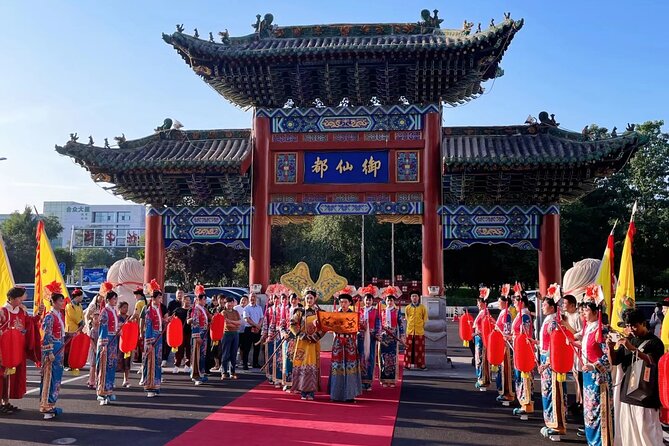
The dinner program opens with a reenactment called Empress Dowager’s Grand Departure from the Palace. It sets a ceremonial mood before you move to the banquet hall.
This scene is especially useful for anyone who has never seen a Chinese historical performance. Palace life can be difficult to picture from architecture alone. Costumes, movement, music, and formal entrances show you how court culture was presented as a display of rank and order.
The program is staged entertainment, so you should not mistake it for a literal reconstruction of a historical event. Its purpose is to communicate an imperial atmosphere quickly and clearly. I find that approach works well for a short evening activity, provided you enjoy theatrical presentation.
The lunch schedule does not list this same departure scene in the timing details, so the dinner program appears to have the more explicit ceremonial opening. If that procession is important to you, choose dinner and arrive before 6:18 p.m.
Other shows and performances in Beijing:
- Beijing Golden Mask Dynasty Show with Private Transfer
★ 5.0 · 98 reviews - Beijing Roast Duck Banquet and Acrobatics Show with VIP Seats Evening Tour
★ 3.5 · 87 reviews - Red Theatre Beijing Acrobatics Show Ticket
★ 4.9 · 73 reviews - Beijing: Traditional Cultural Show Peking Opera Tickets
★ 4.4 · 66 reviews
The 80-minute cultural performance
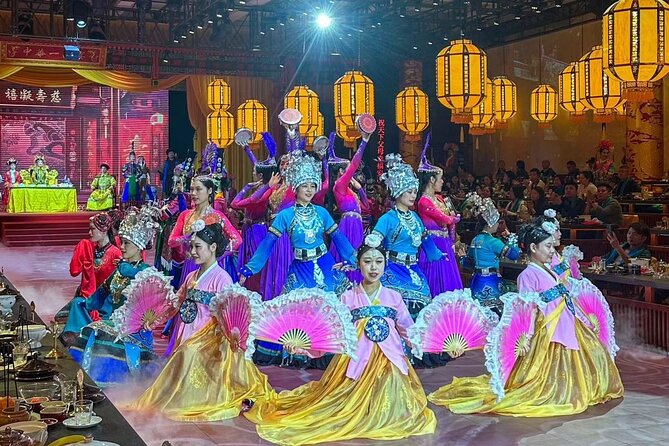
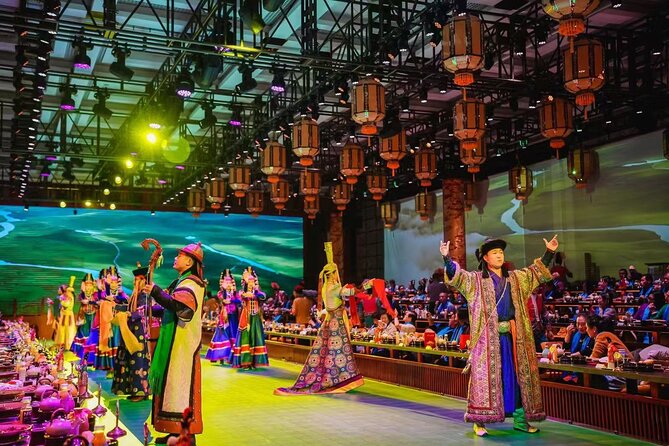
The main performance begins with the formal banquet. It runs for about 80 minutes and forms the heart of the experience.
You can expect a series of cultural scenes rather than a single plot-driven play. The point is to present Qing court life, traditional music, costumes, and ceremony in a way that can be understood by an international audience.
The English subtitles are a real practical advantage. They appear on the walls and help you follow the entertainment even if you do not speak Chinese. That changes the evening from a purely visual show into something you can understand as well as watch.
I would consider seat location carefully. First-row seating costs more, but it gives you a better view of expressions, clothing, and stage details. If you are attending mainly for the performance, the extra cost may be justified. If the food and general atmosphere matter more than a close view, a standard seat may be enough.
There is one tradeoff with being close to the stage. A front-row position can make the performance feel more immediate, but you may have to look upward or turn your head more often. The best choice depends on your priorities, but the available advice is clear: first-row seats offer a stronger show experience.
What to expect from the royal-style meal
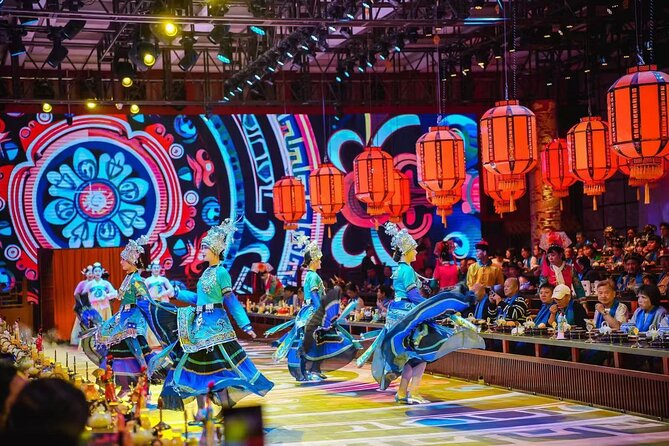
The meal is included with the ticket and is presented as a royal banquet inspired by ancient imperial recipes. The emphasis is on ceremony and presentation as much as on eating.
The available comments mention soup and a dough stick as memorable parts of the meal. Those details suggest that the menu may include familiar Chinese comfort foods alongside dishes framed as palace cuisine. The exact menu is not provided, so I would not book this expecting a specific dish or a tasting menu with a published course list.
A useful point for diners with restrictions is the venue’s willingness to replace pork dishes. A lamb dish was prepared instead of pork when requested. That does not guarantee every possible dietary adjustment, but it shows that advance requests can matter. Contact the provider before the visit rather than waiting until the meal is served.
You should also remember that personal expenses are not included. The lunch or dinner itself is covered, but extras such as costume rental or other purchases may cost more.
Is $88 a fair price?
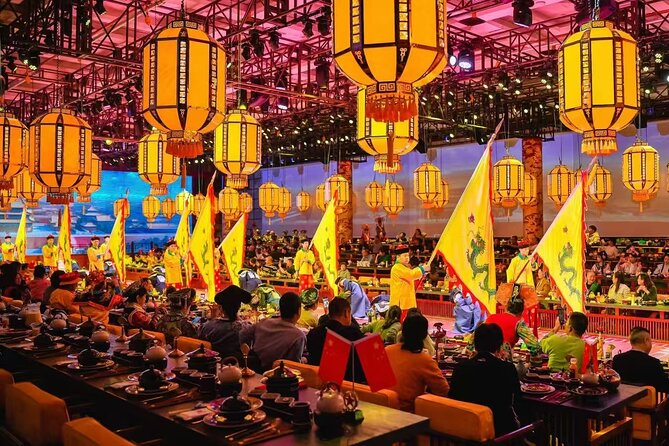
At $88 per person, this is not a budget meal. The fair question is not whether the food alone is worth $88. It probably is not. You are paying for a combined museum visit, banquet, ceremonial reenactment, theatrical production, and arranged seating.
I see the price as reasonable for someone who wants a single, organized cultural evening. Separate tickets for a performance and a formal meal could add up quickly, and arranging a comparable experience independently would take more planning.
The value is strongest for first-time visitors to Beijing who want a broad introduction to Chinese culture without committing to a long lecture or a full-day excursion. Families may also appreciate the costumes and clear visual presentation.
The value is weaker if you want a small restaurant, a quiet meal, or highly local dining without stage effects. In that case, $88 buys more production than you need. You may prefer to spend the money on a specialist food tour or a restaurant meal paired with a separate historical site.
Lunch or dinner, which should you choose?
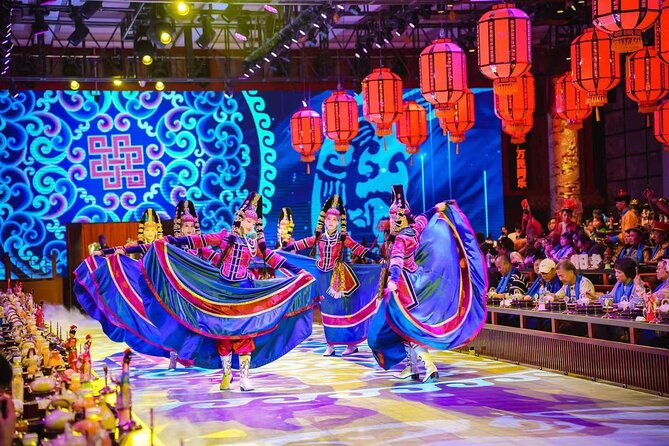
Lunch begins at noon, with arrival shortly before the museum and banquet sequence. It can fit neatly into a sightseeing day, though you will need to plan around the fixed midday schedule.
Dinner has the more detailed ceremonial opening, including the Empress Dowager procession at 6:18 p.m. For many people, that makes dinner the more atmospheric choice. The evening setting may also feel more suited to a royal banquet, though the show content and meal structure are the main attractions at either time.
I would choose lunch if you have a busy evening, children who tire early, or a night train and another reservation to catch. I would choose dinner if you want the full ceremonial arrival and can reach the venue on time.
Do not assume the experience will end exactly two hours after arrival. The listed duration is approximately two hours, and the schedule can change for special performances or operating needs.
Who will enjoy this experience most
This outing suits you if you want cultural variety in one stop. It works particularly well for first-time visitors who want a fast overview of Chinese cuisine, court customs, and stage traditions.
Families can make good use of the costume option, while couples may enjoy the formal meal and evening performance. People who do not speak Chinese should feel more comfortable because of the English subtitles.
It is also a sensible choice for someone who prefers a structured event. Staff guide you from the museum to the banquet hall, and the timing is laid out in advance. You do not have to work out where to sit, how to find a performance, or what type of food to order.
I would be more cautious if you dislike tourist-oriented shows, fixed menus, or formal schedules. The experience is designed to present imperial culture in a clear and entertaining way, not to offer an unedited look at everyday Beijing life.
Practical details that can shape your evening
A mobile ticket makes entry simple, since you do not need to arrange a paper voucher. Confirmation is provided at booking, and the venue is near public transportation.
Arrive early enough to be inside before the opening time. For dinner, that means reaching the venue before 6:18 p.m. For lunch, aim to arrive before noon, not at the last possible minute.
Most people can take part, and the activity is described as suitable for most visitors. No special skill or prior knowledge is required. The show carries much of the explanation through performance and subtitles.
Free cancellation is available up to 24 hours before the start time for a full refund. Changes or cancellations inside that 24-hour window are not accepted for a refund. The experience may also be rescheduled or refunded if poor weather affects the operation or if the minimum number of participants is not reached.
Should you book the Yuxiandu banquet?
Book it if you want an easy, all-in-one introduction to imperial Chinese food and performance. The English subtitles, Qing costume option, and ceremonial opening make it friendly for first-time visitors, while the included meal gives the evening a clear focus.
Choose first-row seating if the show matters most to you, and request pork substitutions in advance if needed. Pick dinner for the fuller ceremonial sequence, or lunch if you want to keep your evening free.
Skip it if your main goal is an intimate local restaurant or a serious museum visit. At $88, this is best understood as a polished cultural production with dinner, not simply a meal. For the right audience, it offers a convenient and entertaining way to see several sides of Chinese court culture in one Beijing outing.
FAQ
Where is the experience located?
It takes place at Yuxiandu Chinese Royal Cuisine Museum in Beijing, China. The venue is near public transportation.
How long does the experience last?
The activity lasts approximately two hours, though timing can change for special performances or operating needs.
Is lunch or dinner included?
Yes. The ticket includes either lunch or dinner, depending on the time you book.
Are English subtitles available?
Yes. English subtitles are shown on the walls during the cultural performance.
Can pork dishes be replaced?
A pork replacement may be possible by request. Lamb was provided as a substitute in one reported case, so contact the provider in advance with your dietary needs.
What is the cancellation policy?
You can cancel at least 24 hours before the start time for a full refund. Cancellations or changes made within 24 hours are not refunded or accepted.
More museums and galleries in Beijing
- Beijing: Tianmen Square, Forbidden City & Royal Museum Tours
★ 4.6 · 1,288 reviews - Beijing:Jingshan Park (Palace Museum Garden) Ticket
★ 4.5 · 185 reviews - Beijing Half Day: National Museum of China In-depth Tour with Subway Transfer
★ 5.0 · 70 reviews - Beijing’s Forbidden City with Special Viewing of Treasure Gallery and the Great Wall Ruins at Badaling
★ 4.5 · 24 reviews
New reviews from Beijing
- Private Transfer to Mutianyu Great Wall with professional driver★ 5.0 · 19 reviews
- One day tour to downtown Tianjin from Beijing by high speed train★ 5.0 · 3 reviews
- camp on the Great Wall overnight with sunrise and sunset on the wall★ 5.0 · 11 reviews
- ZANBUS: Trip to the Jinshanling Great Wall Departing at 7:30 AM★ 5.0 · 5 reviews
- BusDa:Ancient Great Wall &Badaling Great Wall Full-day Bus Tour★ 4.5 · 6 reviews
- Wild Great Wall Hikes★ 5.0 · 10 reviews
- Wild Great Wall Huanghuacheng Half Day Tour★ 5.0 · 15 reviews
- Beijing: Mutianyu Great Wall and Tea House Private Tour★ 5.0 · 11 reviews
Shows & Performances, compared.
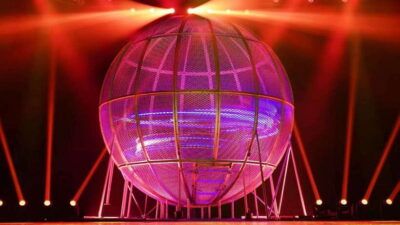
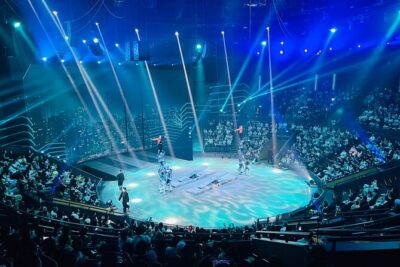
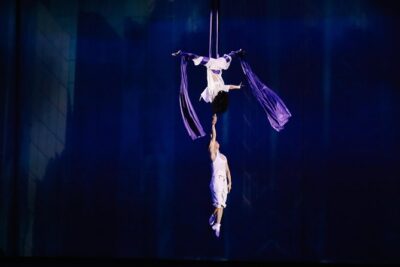
Shanghai Circus World: ERA2 Intersection of Time Acrobatics Show
Read our review →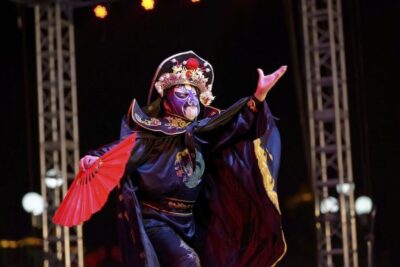
Sichuan Opera Shu Feng Yan Yun Evening Show Ticket
Read our review →
Great Tang Dynasty Night Show & Dumpling Meal Option
Read our review →
Royal Banquet with Chinese Cultural Performance
Read our review →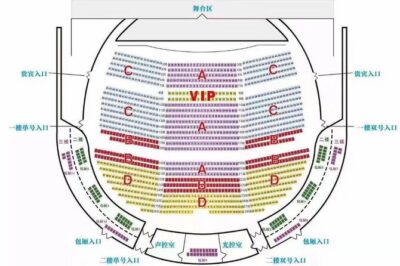
Beijing Golden Mask Dynasty Show with Private Transfer
Read our review →Browse the lists this tour appears in