
Reviewed · SHOWS & PERFORMANCES
Beijing: Imperial Cuisine Experience & Cultural Performance
At Beijing’s Yuxiandu Imperial Cuisine Museum, dinner is part museum visit, part stage show, and part grand royal banquet. You eat dishes linked to China’s imperial kitchens while surrounded by palace-style decoration and a performance of traditional music, dance, costumes, and color.
I like the way the experience connects food with five thousand years of culinary history, rather than treating dinner as a stand-alone show. I also like the museum’s collection of more than a thousand old dining objects and documents. The main drawback is the price: at $137 per person, this is a costly evening, and one booking felt the tickets were cheaper when bought directly elsewhere.
Key points before you book
- A meal and performance in one evening: Your ticket includes dinner and the cultural show, with the full visit lasting about three to four hours.
- A museum built around imperial food: Exhibits trace royal cuisine from ancient China through the Qing Dynasty.
- A set menu with famous dishes: Expect roast duck, sea cucumber with fish maw, roasted lamb, longevity noodles, and several smaller courses.
- Strict arrival times: Dinner ticket checking is at 6:28 PM, with the performance beginning at 6:50 PM. The lunch schedule is 11:38 AM and 12:10 PM.
- Palace-style surroundings: The dining room is designed to make you feel part of an imperial court.
- Costume and makeup cost extra: Traditional clothing and makeup transformation are not included in the ticket.
A museum where dinner tells the story
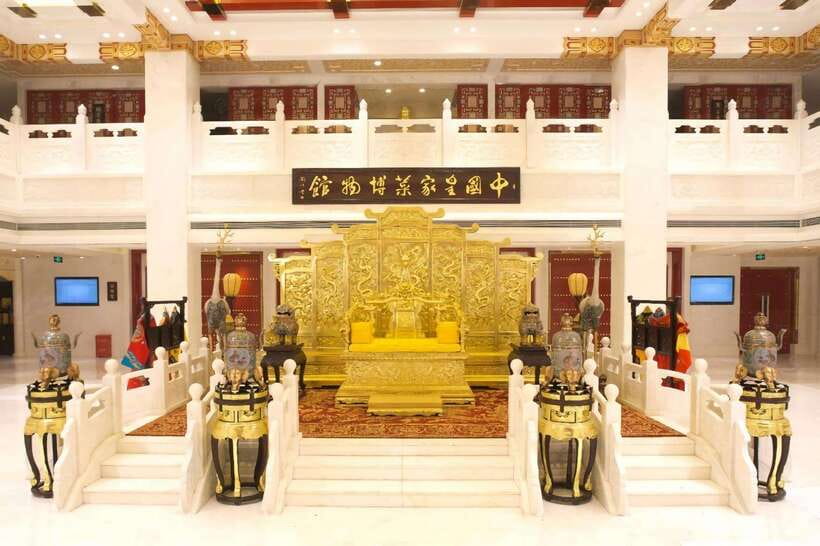
The Yuxiandu Imperial Cuisine Museum is in Beijing’s Haidian District, near Sijiqing Bridge. Its subject is not simply Chinese food. The museum follows the way royal meals changed across different periods, showing how cooking, status, ceremony, and court life were tied together.
The collection includes more than a thousand historical objects. You can expect dining utensils, documents, and other material connected with the preparation and serving of food in imperial households. These objects give the meal some context. Instead of being handed a plate with a grand name and little explanation, you first see the kind of objects and traditions that shaped court dining.
The museum also introduces famous dishes and chefs from various points in Chinese history. That matters because imperial cuisine was not one fixed menu. It changed over many centuries, and the stories behind the food are part of the attraction.
I would not treat this as a quiet museum visit followed by an unrelated dinner. The two parts are meant to work together. The displays explain the setting, and the meal gives you a more immediate sense of the ceremony and extravagance associated with the imperial court.
More Shows and Performances in Beijing
- Red Theatre Beijing Acrobatic Show Tickets
★ 4.9 · 461 reviews - Red Theatre Beijing Acrobatic Show Tickets Official Booking
★ 5.0 · 218 reviews - Red Theatre Beijing Acrobatics Show Ticket
★ 5.0 · 141 reviews
The palace-style dining room
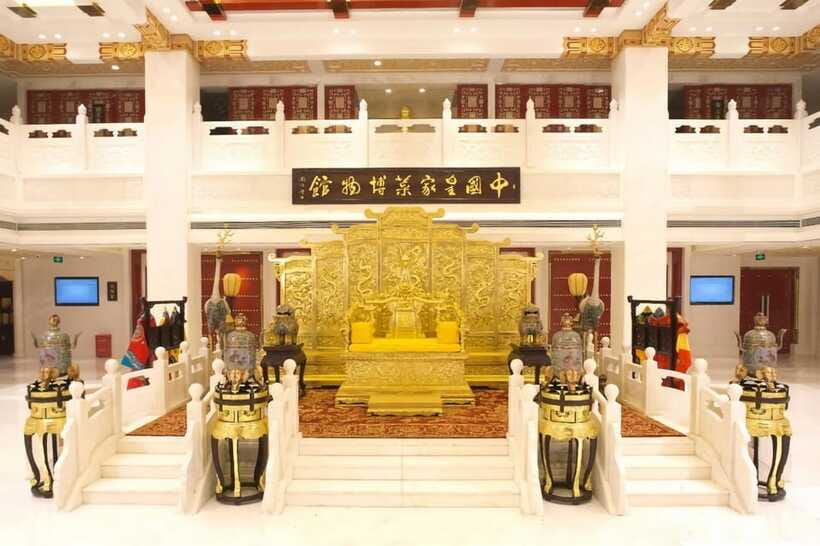
The restaurant is designed to resemble an ancient palace. That does not mean you are entering a preserved imperial dining hall. It is a themed setting, but the decoration helps the performance and the meal feel like parts of the same event.
This is a good choice if you want an evening that feels special and theatrical. It is less suitable if you prefer a small restaurant where you can order freely, chat with the staff, and linger over a meal at your own pace. The experience follows a planned schedule, and the meal is built around the show.
The setting also makes this a useful option for a first evening in Beijing. You can see traditional costumes, hear music, watch dance, and sample several well-known dishes without arranging separate activities across the city. You give up some flexibility, but you gain a tidy cultural introduction in one place.
The venue is recognized as a national AAA-level tourist attraction. That designation points to established visitor facilities and service standards, though it does not change the basic nature of the event: this is a polished cultural presentation, not an everyday local dinner.
What arrives on the imperial menu
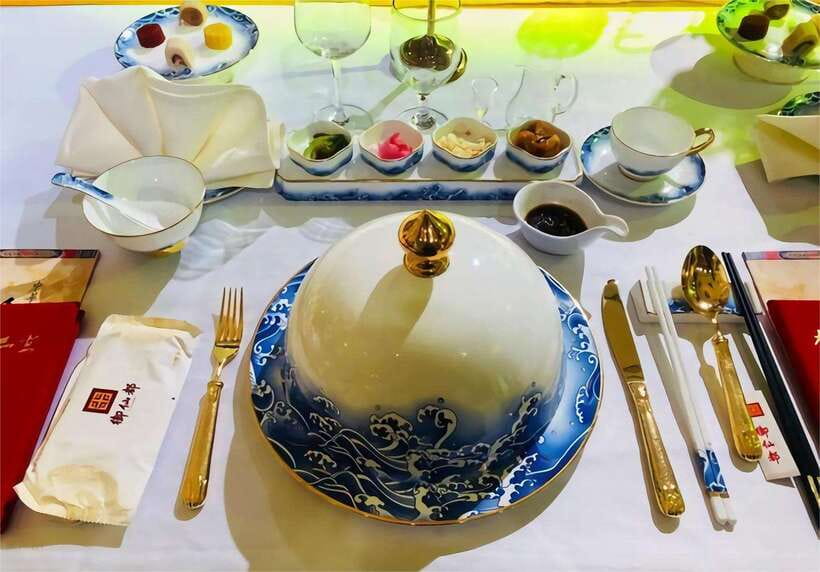
The menu is long enough to feel like a banquet. It begins with snacks, an appetizer, and an appetizer platter before moving into larger dishes. You should expect a succession of tastes rather than one main course.
The listed dishes include braised sea cucumber with fish maw in a casserole, marinated tofu with bamboo shoots, roast duck cooked with jujube wood, Chinese cabbage in soup, roasted lamb, and longevity noodles with poached eggs. Dessert-style or closing items include deep-fried dough sticks, known as youtiao, served with milk, and yoghurt filled with honey.
Roast duck with jujube wood will likely be one of the most familiar dishes for many diners, though the jujube wood detail gives it a different presentation from a standard Beijing duck meal. Sea cucumber with fish maw is more closely tied to the banquet image of expensive imperial food. It may appeal to you if you want to try ceremonial Chinese dishes, but it is not the kind of simple comfort food everyone enjoys.
The longevity noodles are a fitting part of the meal. Long noodles traditionally carry associations with long life, so the dish suits a banquet built around court ritual and celebration. The poached egg makes it more substantial.
The menu includes both refined banquet foods and everyday Chinese items. Tofu, bamboo shoots, cabbage soup, youtiao, milk, and yoghurt keep the meal from becoming a parade of unfamiliar ingredients. That balance is helpful if you are curious about imperial cooking but do not want every course to be challenging.
Because the menu is set, you should not expect to choose individual dishes. The advantage is variety and a clear connection to the theme. The disadvantage is that you have less control if you dislike seafood, lamb, or certain textures. The available information does not specify substitutions, so anyone with serious dietary restrictions should confirm arrangements before paying.
The cultural performance after dinner
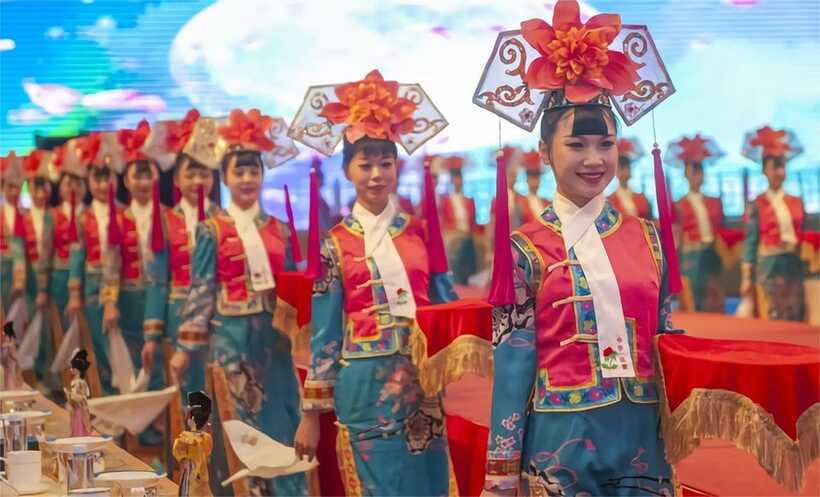
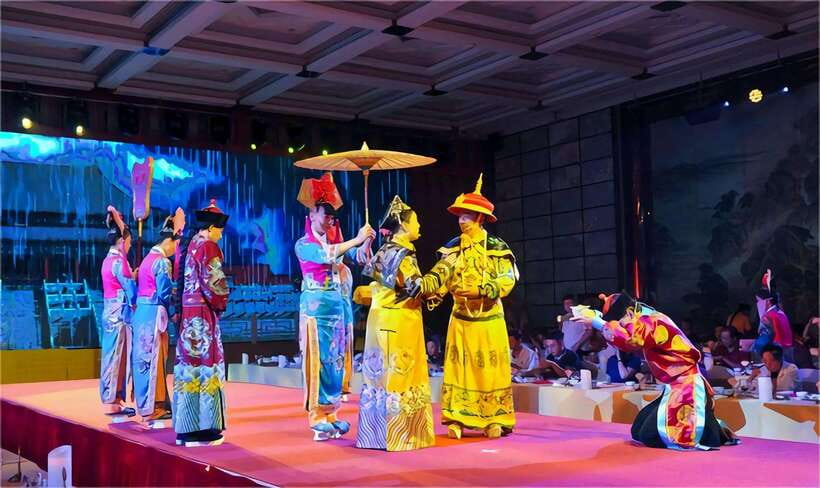
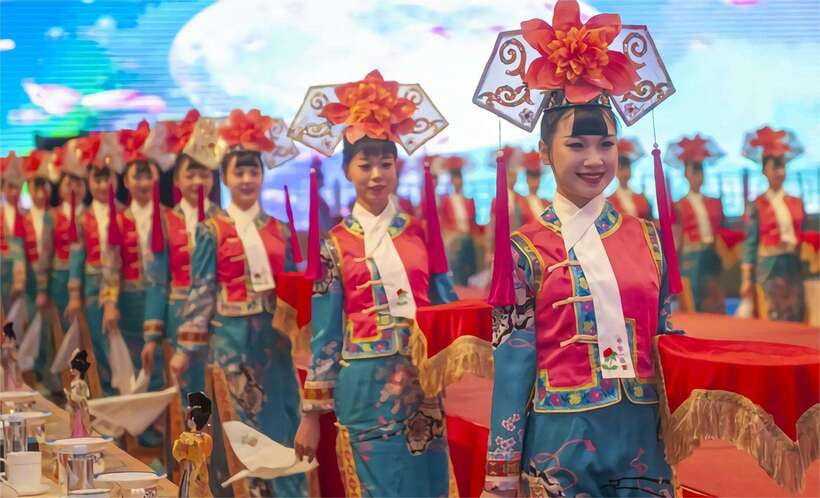
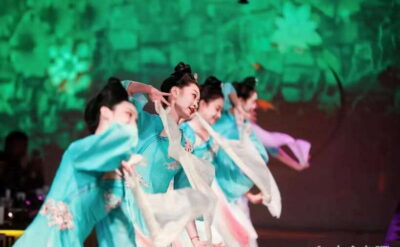
The performance is a major reason to choose this experience. It uses traditional clothing, music, dance, and strong visual color to bring the court setting to life. One visitor from Poland particularly enjoyed the historical presentation and the combination of costumes, music, dance, colors, and food.
The show adds movement and ceremony to what could otherwise be a museum meal. You are not only reading about royal kitchens. You are watching a staged presentation that gives the evening a sense of occasion.
Keep your expectations in the right place. This is a cultural performance included with a banquet, not described as a full theater production with a named cast or guide. No guide names are provided, and the available information does not give a scene-by-scene program. You can expect traditional presentation rather than a detailed English-language lecture.
For many people, the show will be the strongest part of the evening. A Singapore booking rated the performance as the most appealing element, while still warning that the tickets felt expensive through that sales channel. That is useful advice. If you care mainly about theater, costumes, music, and dance, the price may make more sense. If food is your only concern, you may find less expensive ways to eat well in Beijing.
Other shows and performances in Beijing:
- Beijing Roast Duck Banquet and Acrobatics Show with VIP Seats Evening Tour
★ 3.5 · 87 reviews - Red Theatre Beijing Acrobatics Show Ticket
★ 4.9 · 73 reviews - Beijing: Traditional Cultural Show Peking Opera Tickets
★ 4.4 · 66 reviews - Beijing Red Theater Acrobatic Show with Private Transfer Service
★ 5.0 · 62 reviews
Timing matters more than usual
This experience has fixed ticket-checking times. For lunch, ticket checking takes place at 11:38 AM and the performance begins at 12:10 PM. For dinner, ticket checking is at 6:28 PM and the show starts at 6:50 PM.
Arrive a few minutes before the stated checking time. You need time for any queue, seating, and the transition into the meal. Turning up at the performance start could mean a rushed entrance or a poor beginning to the evening.
The total duration is three to four hours. That is a substantial block of your Beijing schedule, so avoid placing another tightly timed activity immediately afterward. The evening works best when you treat it as your main event rather than a quick dinner stop.
The exact starting time can vary by the date and availability. Check the time shown when you book, then check your email carefully. The QR code created by the booking platform is not the actual ticket. The real ticket is sent separately by email, so do not rely only on the first confirmation screen.
Is $137 a fair price?
At $137 per person, this is not a bargain meal. You are paying for several parts at once: access to the museum, a set banquet, the themed dining room, and the cultural performance. The price makes more sense if you planned to pay separately for a museum visit, a special dinner, and a traditional show.
It makes less sense if you mainly want roast duck or a large Chinese meal. Beijing has many restaurants where you can spend far less and order exactly what you like. This experience charges for the setting and presentation as much as for the food.
The price can be justified for a first-time visitor who wants an easy, organized introduction to imperial food and traditional performance. It is also useful for families with older children, couples, and anyone who prefers a planned cultural evening over independent restaurant research.
The value is weaker for repeat visitors who already know Beijing’s food scene or who dislike theatrical dining. A price-conscious buyer should compare available booking channels, since one rating specifically noted that direct purchase or another platform might be cheaper.
Traditional costumes and makeup transformation are not included. If you want the full court appearance, expect that to be an extra expense. The meal and performance are included, but the costume element is optional.
Who will enjoy this most?
I would recommend it to you if you like food with a story. The museum collection, royal dishes, and staged performance give you several ways into Chinese culture, even if you are not an expert on history.
It is a particularly practical choice for:
- First-time visitors to Beijing
- People who want dinner and a show in one booking
- Anyone interested in court life, costumes, and ceremony
- Diners eager to try dishes such as sea cucumber, fish maw, roast duck, and longevity noodles
- Couples or families seeking a memorable evening activity
- Visitors who prefer an organized schedule
I would be more cautious if you want a quiet meal, a flexible menu, or a low-cost night out. The set timing and high price are the two issues most likely to affect your satisfaction.
Children under two are not permitted. The experience is wheelchair accessible, which is useful for visitors who need step-free access, though the supplied details do not explain the exact seating or route inside the venue.
What the experience gets right
The strongest feature is its combination of food and cultural presentation. A dish such as longevity noodles carries more meaning when it appears within a larger program about court food, traditional dress, and ritual.
The second strength is variety. The menu moves from snacks and appetizers to seafood, meat, soup, noodles, and sweet closing dishes. You get a broad sample instead of building a meal around one specialty.
The museum also gives the evening substance. Without the exhibits, the palace-style dining room could feel like decoration alone. The old utensils and documents provide a real connection to the subject, even though the meal itself is recreated rather than served from an imperial kitchen.
The performance brings the highest entertainment value. It adds music, dance, and visual detail, and it gives the dinner a clear beginning and end. If that part appeals to you, the cost becomes easier to understand.
Limitations to keep in mind
The price is the clearest concern. One rating gave the experience three stars specifically because the performance was the favorite part but the ticket felt too expensive through the booking channel used. That does not make the experience poor, but it does mean you should compare prices before committing.
The meal may not suit every palate. Sea cucumber, fish maw, and roasted lamb are not universal favorites, and the fixed menu gives you limited control. The menu does include familiar items such as tofu, cabbage soup, noodles, youtiao, and yoghurt, but you should still check the ingredients if you have allergies or dietary restrictions.
The performance details are also limited. You know to expect traditional costumes, music, dance, and a historical presentation, but you are not given the names of performers or a detailed program. If you need a highly specific theater schedule, this may feel too general.
Finally, remember that the QR code from the booking platform is not your ticket. Your actual ticket arrives by email. This is a small detail, but missing it could create unnecessary confusion at the door.
Should you book this imperial dinner?
Book it if you want a polished, all-in-one cultural night and are willing to pay for presentation as well as food. The best reason to go is the combination of a museum collection, a long imperial-style menu, palace decoration, and a traditional show.
Skip it if your priority is cheap dining, menu freedom, or a quiet restaurant. Before booking, compare the $137 price with other purchase options, confirm the dinner time, and check your email for the actual ticket. If you do those three things and the performance interests you, this is a distinctive way to spend an evening in Beijing.
FAQ
Where does the imperial cuisine experience take place?
It takes place at the Yuxiandu Imperial Cuisine Museum in Beijing’s Haidian District, near Sijiqing Bridge.
How long does the experience last?
The activity lasts about three to four hours.
What is included in the ticket?
The ticket includes the meal and the cultural performance.
Are traditional costumes included?
No. Traditional costume rental is not included.
Is makeup transformation included?
No. Makeup transformation is not included.
What time should I arrive for dinner?
Dinner ticket checking is at 6:28 PM, and the performance begins at 6:50 PM. Arriving a few minutes early is recommended.
Are lunch times available?
Yes. Lunch ticket checking is at 11:38 AM, with the performance starting at 12:10 PM.
Is the experience wheelchair accessible?
Yes, the activity is listed as wheelchair accessible.
Can children under two attend?
No. The experience is not suitable for children under two years old.
New reviews from Beijing
- Mutianyu Wall, Summer Palace & Old Summer Palace Day Tour★ 4.8 · 34 reviews
- Night Market Haggling Adventure with an English Guide!★ 4.8 · 7 reviews
- BusDa-Mutianyu Great Wall&Forbidden City Full-day Coach Tour★ 4.9 · 11 reviews
- Mutianyu Great Wall Ticket with Roundtrip Cable Car★ 5.0 · 20 reviews
- Mutianyu Great Wall Bus Trip+Ticket 7/8/9/10/13/13:30/15:30★ 4.7 · 24 reviews
- Mutianyu Great Wall Entry Ticket Chairlift Up Toboggan Slide★ 4.9 · 8 reviews
- Mutianyu Great Wall 5-KM Guided Hike with Uphill Cable Car★ 4.8 · 16 reviews
- Mutianyu Great Wall Admission Ticket★ 3.6 · 7 reviews
Shows & Performances, compared.
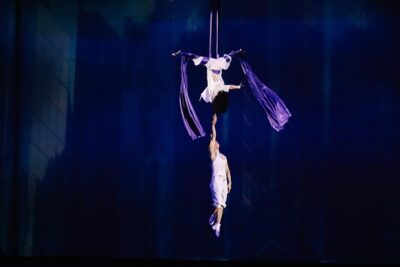
Shanghai Circus World: ERA2 Intersection of Time Acrobatics Show
Read our review →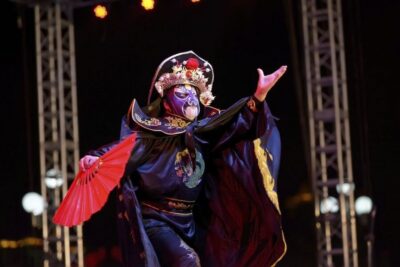
Sichuan Opera Shu Feng Yan Yun Evening Show Ticket
Read our review →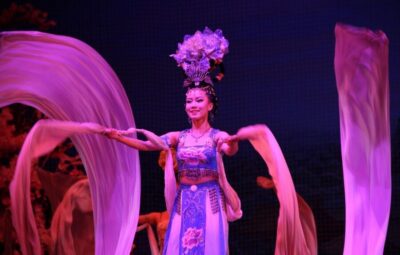
Great Tang Dynasty Night Show & Dumpling Meal Option
Read our review →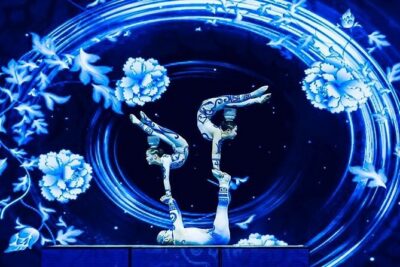
Royal Banquet with Chinese Cultural Performance
Read our review →
Beijing Roast Duck Banquet and Acrobatics Show with VIP Seats Evening Tour
Read our review →Browse the lists this tour appears in