
Reviewed · MARKETS
6-Hour Private Beijing Tour: Flower and Fish Market, Panjiayuan Antique Market and 798 Art Zone
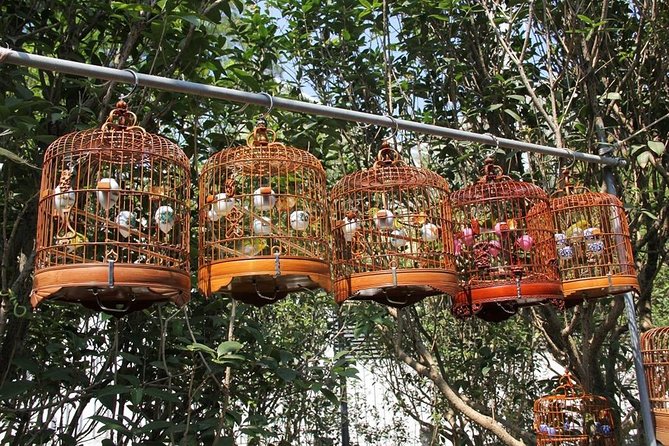
Beijing’s flower and fish market is the kind of place that quickly resets your idea of sightseeing. You move past colorful plants, unusual fish, insects, and precious stones before reaching Panjiayuan’s tables of ceramics, calligraphy, teapots, jewelry, Buddha statues, and old furniture. I like that this tour takes you into parts of the city you would not easily connect on your own, and that a private guide can explain what you are seeing.
I also like the mix of old and new. Panjiayuan gives you traditional crafts and Cultural Revolution memorabilia, while 798 Art Zone brings galleries, boutiques, coffee shops, bars, and restaurants into former industrial surroundings. Guides including Ranee, Alice, Lucy, Linda, Miko, and Sherry have been praised for clear English, useful shopping advice, and flexible timing.
The main drawback is the clock. Six hours is enough for a good introduction, but not enough to browse every market stall and gallery at leisure. Panjiayuan is livelier on weekends, and 798 deserves extra time, so you may need to choose between careful shopping and a longer art-zone stroll.
Key points to know before booking
- Three very different stops: See flowers, fish, insects, stones, antiques, crafts, modern art, boutiques, and cafés in one private outing.
- Private transport and hotel transfers: Pickup and drop-off are included, which saves you from piecing together several distant stops by public transport.
- Weekend timing matters: Panjiayuan is open during the weekend and tends to have more stalls then, making Saturday or Sunday the better choice for a full market visit.
- Meals depend on your start time: Morning departures include lunch, while afternoon departures include dinner at a local restaurant.
- A guide makes shopping easier: Your guide can answer questions in English and offer advice on antiques, crafts, and souvenirs.
- Six hours moves quickly: The tour is best for sampling all three areas rather than spending half a day at one market.
A different side of Beijing in six hours
Beijing is famous for imperial buildings, grand squares, and temple courtyards. Those sights matter, but this private tour gives you a more everyday and creative view of the city. You spend time where people shop for plants, collect decorative objects, browse art, and meet friends for food or coffee.
The route works because the stops contrast sharply. The first market is sensory and practical. Panjiayuan is focused on buying, bargaining, and looking closely. 798 is slower and more visual, with galleries and boutiques replacing market stalls.
At $158 per person, the price is not simply paying for admission. The three stops do not charge an entrance fee, so the value rests in the private vehicle, hotel transfers, guide, meal, bottled water, and saved planning time. For a solo visitor or a small group, that can be worthwhile. For a larger party, group discounts may improve the calculation.
You also get a private experience rather than joining strangers. That matters here because shopping stops can take different amounts of time. One group may want to inspect antiques carefully, while another may prefer art galleries. The guide can adjust the pace, as Miko did when an antique-market visit took longer than expected.
Other markets to walk through in Beijing:
- Private Beijing Markets Tour with Tea Tasting at Hongqiao Pearl Market
★ 5.0 · 18 reviews - Night Market Haggling Adventure with an English Guide!
★ 4.8 · 7 reviews - Private Tour to Pearl Market Acrobatic Show & Peking Duck Dinner
★ 5.0 · 5 reviews
Stop one: Shilihe’s flowers, fish, and insects
Your day begins with hotel pickup at a selected time: 9 a.m., 11 a.m., noon, or 1 p.m. The first stop is Shilihe Culture, also described as Beijing’s local flower, fish, and insect market. Admission is included at no extra charge.
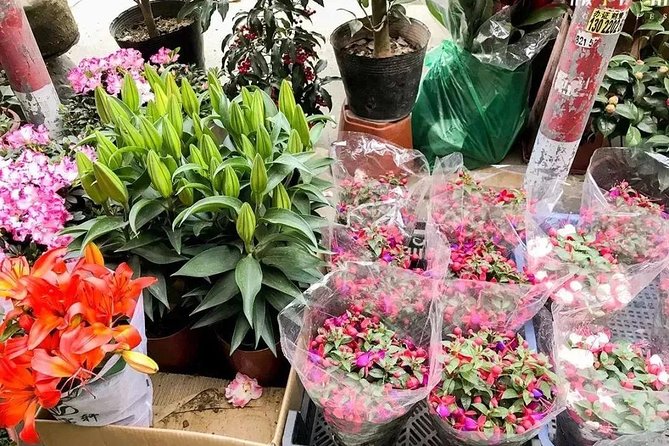
This is a good opening because it is less formal than a monument. You can expect rows of flowers and plants, colorful fish, insects, and precious stones. The range is part of the appeal. One moment you are looking at plant displays, and the next you are examining fish tanks or small objects sold for collecting and decoration.
The market gives you a direct look at local shopping habits. It is not arranged as a polished museum display, and that is precisely why the guide helps. You can ask what different items are used for, which plants or objects are practical purchases, and how to judge something before handing over money.
The supplied tour details do not promise a specific list of species or a particular type of flower, so expect variety rather than a fixed exhibition. Conditions may also feel crowded or visually busy, especially if you stop often. Wear comfortable shoes and dress for the weather, since the tour operates in all conditions.
Plan your purchases with the rest of the day in mind. Large plants, fragile fish equipment, or bulky decorations may not be sensible if you are continuing to Panjiayuan and 798. The market is best treated as a place to look, ask questions, and buy only what you can manage.
Stop two: Panjiayuan Antique Market
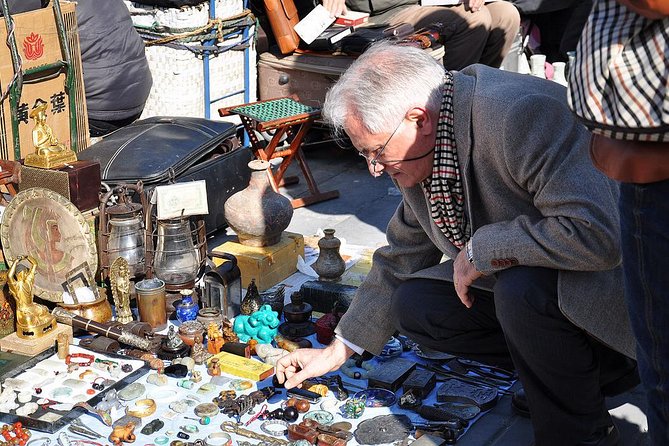
Panjiayuan is the most shopping-focused part of the route. Vendors gather with handmade crafts and artworks, and the selection can include jewelry, ceramics, calligraphy, teapots, ethnic clothing, Buddha statues, paper lanterns, Cultural Revolution memorabilia, and furniture associated with the Ming and Qing periods.
You should approach this as a browsing market, not a guaranteed antique-buying service. The word antique covers many kinds of objects and varying levels of age and authenticity. A private guide can help you understand what you are looking at and offer practical shopping advice, but you should still buy only what you genuinely like and can carry home.
This is where the guide’s role becomes particularly useful. Linda was praised for explaining facts about China and Beijing in fluent English, while Lucy was described as friendly and helpful when navigating markets that could be difficult to handle alone. Ranee also focused on giving context, not just leading the way from stall to stall.
The selection is broad enough to suit several interests. You might look for a small teapot, a piece of calligraphy, jewelry, a paper lantern, or a decorative statue. If you are interested in China’s recent past, Cultural Revolution memorabilia gives the market a different tone from a standard souvenir shop.
Timing is the key issue. The stop is planned for about one hour, but that is a short window for a market with many stalls. The market is described as open during the weekend, with more stalls and a livelier feel then. If Panjiayuan is a major reason for booking, choose a weekend date and tell the guide early that you want time to browse.
Bargaining details are not specified, so do not assume the guide will negotiate every purchase for you. What is clear is that the guide can give advice based on your interests. Ask questions before buying, compare similar items, and leave room in your bag for small finds.
Stop three: 798 Art Zone
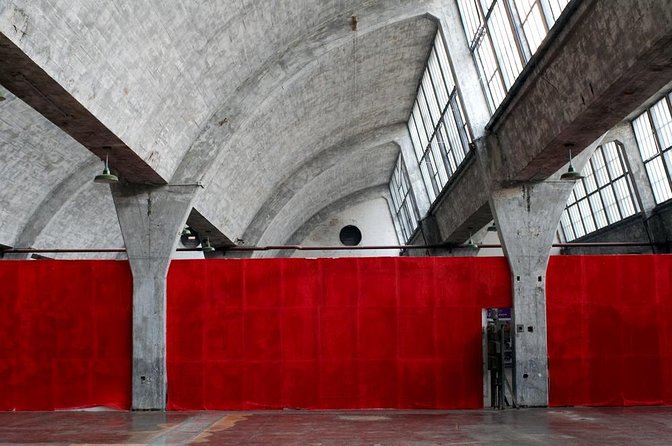
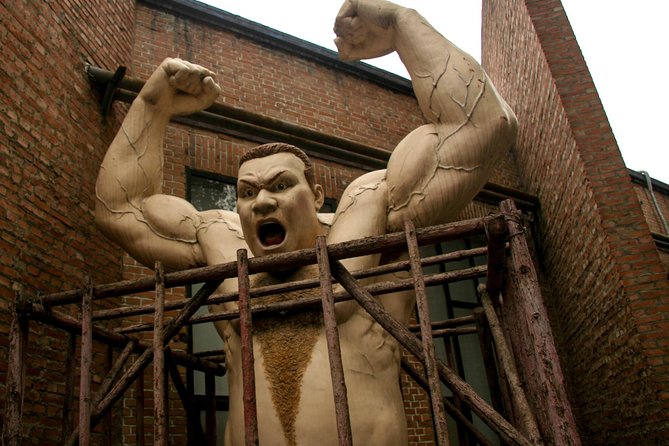
The final main stop changes the mood completely. 798 Art Zone is a contemporary arts district with galleries, boutiques, coffee shops, bars, and restaurants. It is the place to slow down after the markets and look at Beijing’s present-day creative life.
The art zone is especially useful for anyone who wants more than historic sights. You may find gallery displays, unusual shops, and public-facing art spaces, but the exact mix can change. The experience is about walking between places and seeing how art, retail, and food share the same district.
Several guides have added value here by choosing a suitable place for lunch or explaining the area. Alice was praised for taking a group to a good lunch spot and for making an extra stop at the Silk Market, where the group learned about silk production. That extra stop is not a guaranteed part of the listed route, so treat it as an example of possible flexibility rather than a promised inclusion.
The time limit matters most at 798. One hour can give you a taste, but it may feel brief if you want to enter several galleries, shop, stop for coffee, and take photographs. One person specifically wished for more time there, which is a useful warning for art fans.
If 798 is your top priority, tell your guide at pickup. A private tour gives you a better chance of shaping the stop than a fixed group outing, though the total tour length remains about six hours. You may prefer a quick market look followed by a longer art-zone visit, or the reverse.
Other shopping in Beijing:
- Beijing Exclusive Private Shopping Tour: Curated Just for You
★ 5.0 · 12 reviews - Private Full Day Beijing Shopping Tour
★ 5.0 · 7 reviews - Lama Temple, Hutong and Silk & Pearl Market Private Day Tour
★ 5.0 · 5 reviews - Beijing: Vegan Home Cooking & Local Market Tour with Sanxia
★ 4.8 · 4 reviews
Lunch, dinner, and the daily schedule
Your start time affects the meal. A morning departure leads to Chinese lunch before 798, while an afternoon departure leads to dinner at a local restaurant. Bottled water is included, and you should give the operator any dietary requirements when booking.
The available pickup times are 9 a.m., 11 a.m., noon, and 1 p.m. That range is useful if you have a late arrival, a morning appointment, or evening plans. It also changes the feel of the day. A 9 a.m. start gives you the fullest daytime period, while a 1 p.m. start turns the tour into an afternoon and evening outing.
Because the tour includes several stops, traffic can affect how much time you have on foot. The private vehicle reduces the hassle of changing transport, but it cannot remove Beijing’s traffic. Keep this in mind if you have a fixed appointment immediately after drop-off.
The listed route gives roughly one hour to each stop, but the guide may adjust the timing. Miko was able to work with a group that wanted longer at Panjiayuan. That flexibility is useful, but it does not create extra hours, so a clear priority list helps.
What the private guide adds
The guide is the strongest reason to choose this experience instead of visiting the areas independently. You could possibly reach markets and 798 by public transport, but connecting three separate stops takes planning, and the markets are easier to understand with context.
The guides named in the supplied information include Ranee, Alice, Lucy, Linda, Miko, and Sherry. Their roles have included explaining local customs, answering questions in fluent English, suggesting places to eat, helping with market choices, and adjusting the schedule.
Sherry and driver Zhang received praise for punctual hotel pickup and a warm welcome. They also handled the flower and fish market, where the range of plants and colorful fish can be overwhelming at first. A guide helps turn that visual rush into a more organized visit.
You should still take an active role. Tell the guide if you care most about ceramics, clothing, calligraphy, plants, art galleries, or food. The more specific you are, the easier it is to use a private format well.
Who gets the most from this tour
I would recommend this tour to someone who has already seen Beijing’s major historic sights or wants to balance them with local markets and contemporary art. It also suits first-time visitors who want an organized introduction to less familiar areas without spending the day figuring out transport.
It works well for couples, families, and small groups with different interests. One person can focus on antiques, another on plants or fish, and someone else can look forward to 798. Children must be accompanied by an adult, and most people can participate.
The tour is less suitable if you want a slow, specialist visit to one market. Serious antique shoppers may need more than an hour at Panjiayuan. Dedicated art fans may also find one hour at 798 too short. In those cases, a private custom itinerary with fewer stops could be a better fit, but that is not the experience described here.
It is also not the best choice if shopping is not your thing. The first two stops are strongly tied to browsing and buying, even though you can simply look. The appeal comes from the mix, not from one major monument.
Practical details that affect your decision
The tour runs in all weather, so bring clothing suited to the forecast. Comfortable shoes are sensible because the experience involves walking through market areas and the art district. The private vehicle, hotel pickup, and drop-off are included, which makes the day easier after a long flight or during a short Beijing stay.
Confirmation is provided at booking. The tour is near public transportation, although the included vehicle means you do not need to plan the full route yourself. It is a private activity for your group only.
Cancellation is free up to 24 hours before the start time for a full refund. Changes or cancellations made within 24 hours are not accepted for a refund, and the cut-off uses Beijing local time.
Should you book the Beijing markets and 798 tour?
Book it if you want a private, flexible introduction to Beijing’s market culture and modern art scene, with meals and transport handled for you. The strongest parts are the unusual first stop, the broad selection at Panjiayuan, and the guide’s ability to explain what you are seeing.
Before booking, decide which stop matters most. If you want a serious antique hunt or an extended gallery visit, six hours will feel tight. If you want a well-organized taste of flowers, fish, antiques, crafts, food, and contemporary art in one day, the $158 price can make good sense, especially when shared group discounts apply.
FAQ
How long does the tour last?
The tour lasts approximately six hours.
What pickup times are available?
Pickup is available at 9 a.m., 11 a.m., noon, or 1 p.m., depending on the time selected at booking.
Is hotel pickup and drop-off included?
Yes. Pickup and drop-off at your Beijing hotel are included.
Which places does the tour visit?
The route includes Shilihe’s flower, fish, and insect market, Panjiayuan Antique Market, and 798 Art Zone.
Is a meal included?
Yes. Morning departures include lunch, while afternoon departures include dinner at a local restaurant.
Is the tour private?
Yes. Only your group participates, and a private guide and vehicle are included.
Is Panjiayuan better on a weekend?
Panjiayuan is open during the weekend, and the market tends to have more stalls and a livelier feel then.
What is the cancellation policy?
You can cancel at least 24 hours before the start time for a full refund. Cancellations or changes made less than 24 hours before the start time are not accepted for a refund.
New reviews from Beijing
- Private Transfer to Mutianyu Great Wall with professional driver★ 5.0 · 19 reviews
- One day tour to downtown Tianjin from Beijing by high speed train★ 5.0 · 3 reviews
- camp on the Great Wall overnight with sunrise and sunset on the wall★ 5.0 · 11 reviews
- ZANBUS: Trip to the Jinshanling Great Wall Departing at 7:30 AM★ 5.0 · 5 reviews
- BusDa:Ancient Great Wall &Badaling Great Wall Full-day Bus Tour★ 4.5 · 6 reviews
- Yuxiandu Chinese Royal Cuisine Museum with Show and Royal Banquet★ 5.0 · 4 reviews
- Wild Great Wall Hikes★ 5.0 · 10 reviews
- Wild Great Wall Huanghuacheng Half Day Tour★ 5.0 · 15 reviews
Markets, compared.
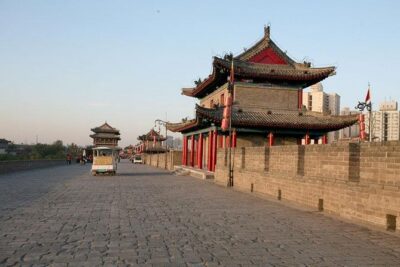
Mini Group Xian Day Tour to Terracotta Army, City Wall, Pagoda and Muslim Bazaar
Read our review →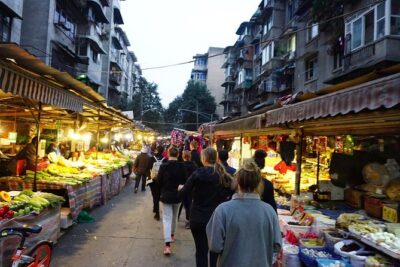
Half-Day Chengdu Cooking Class with a Local Market Visit
Read our review →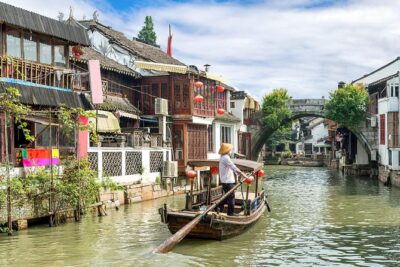
Shanghai Day Tour to Zhujiajiao Water Town, Yu Garden, Bazaar, Bund
Read our review →
Kowloon Street Market & Food Culture Walking Tour
Read our review →
Organic Chinese Dumpling Class with Market Walk
Read our review →
Terracotta Army, Lunch, City Wall, Pagoda, Bazaar
Read our review →
Organic Xiao Long Bao Soup Dumpling Class & Market Walk
Read our review →
Lijiang Naxi Cuisine Cooking Class & Market Visit
Read our review →Browse the lists this tour appears in